

In the bustling tapestry of modern life, where digital noise often drowns out meaningful connection, churches stand as beacons of hope, unity, and spiritual nourishment. Yet, even the most vibrant congregations can falter if their message—whether about an upcoming revival, a community outreach, or a simple Sunday service—fails to reach the ears it was meant for. Effective communication isn’t just about broadcasting information; it’s about crafting a narrative that resonates, engages, and mobilizes. For churches and evangelism campaigns, this means leveraging a diverse arsenal of content types to ensure every member, visitor, and seeker feels seen, heard, and inspired.
The Power of Storytelling: Humanizing the Message
At the heart of every great evangelism campaign lies a story—one that transcends bulletins and announcements. Stories breathe life into dry facts, transforming abstract messages into relatable experiences. Consider the testimony of a once-skeptical parishioner who found faith through a small group study, or the account of a volunteer whose life changed after serving at a community food drive. These narratives don’t just inform; they evoke emotion, foster empathy, and create a sense of shared purpose. Churches can harness this power by featuring personal stories in newsletters, social media posts, and even sermon illustrations. Video testimonials, in particular, add a layer of authenticity, allowing viewers to connect with the raw, unfiltered emotions of real people. When a congregation hears, “This isn’t just about us—it’s about *you*,” the message sticks.
Visual Storytelling: Beyond Words to Emotion
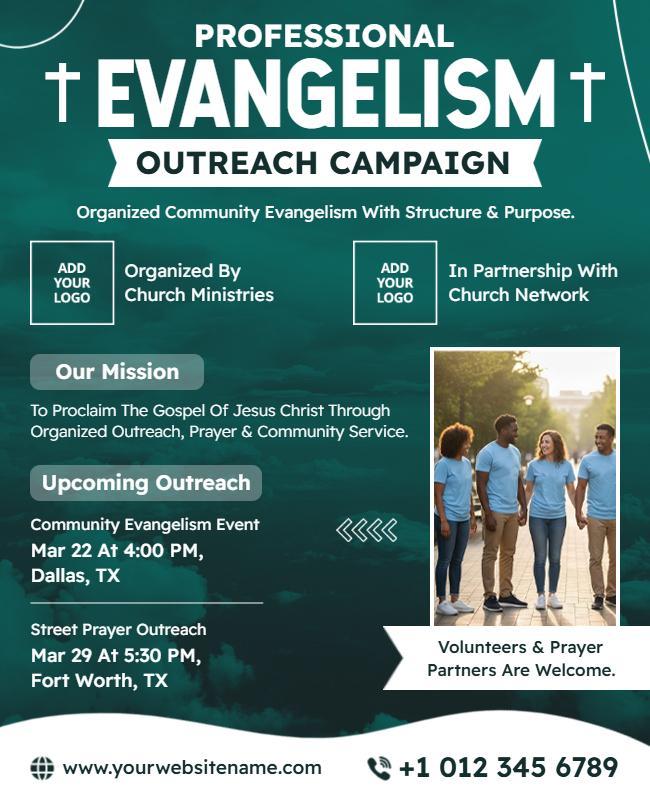
In an era where attention spans are fleeting, visuals cut through the clutter. A well-designed flyer isn’t just a piece of paper—it’s a visual sermon, a silent evangelist that speaks volumes before a single word is read. Churches can use infographics to simplify complex concepts like tithing or the church’s mission, or create photo essays documenting mission trips and local outreach efforts. Social media platforms thrive on imagery, making Instagram carousels and Pinterest boards ideal for sharing behind-the-scenes glimpses of choir rehearsals, youth group activities, or the transformation of a community garden. Even memes, when used thoughtfully, can make biblical truths accessible to younger audiences. The key is consistency: a cohesive visual identity—colors, fonts, and imagery—reinforces brand recognition and makes the church’s communication instantly identifiable.
Interactive Content: From Passive Readers to Active Participants
Engagement isn’t a one-way street. Interactive content invites the audience to step into the story, transforming spectators into co-creators. Live Q&A sessions on Facebook or Instagram allow pastors to address questions in real time, while polls and surveys gather feedback on sermon topics or event preferences. Churches can also gamify participation with challenges—like a “30 Days of Gratitude” journaling prompt or a Bible-reading streak—that encourage daily interaction. Webinars and online workshops offer deeper dives into theological topics, fostering a sense of intellectual community. For evangelism campaigns, interactive elements like “prayer request walls” or “share your story” prompts create spaces for vulnerability and connection. When people aren’t just *receiving* information but *contributing* to the conversation, their investment in the church’s mission deepens.
Multichannel Communication: Meeting People Where They Are
One size does not fit all when it comes to communication. A retiree might prefer a printed bulletin, while a teenager scrolls through TikTok. A young professional might check emails during lunch, whereas a parent on the go relies on text alerts. Churches must adopt a multichannel approach, tailoring content to each platform’s strengths. Email newsletters can deliver in-depth updates, while SMS alerts ensure urgent messages—like a last-minute prayer meeting—reach recipients instantly. Social media platforms cater to different demographics: Facebook for older adults, Instagram for visual storytelling, Twitter for real-time updates, and LinkedIn for professional networking. Podcasts and YouTube channels extend the reach to those who prefer audio or video content. The goal isn’t to spread thin but to strategically deploy resources where they’ll have the most impact.
Behind-the-Scenes Content: Building Transparency and Trust
People crave authenticity. They want to see the faces behind the pulpit, the hands that organize the potlucks, and the hearts that fuel the mission. Behind-the-scenes content demystifies the church, making it feel less like an institution and more like a family. Short clips of the worship team rehearsing, interviews with the pastoral staff, or time-lapse videos of a community service project in action humanize the church’s work. Transparency in communication also means addressing challenges openly—whether it’s a financial shortfall or a leadership transition. When churches share both victories and vulnerabilities, they build trust and demonstrate that they’re run by real people, not faceless organizations. This openness fosters a culture of honesty and encourages members to engage more deeply.
Seasonal and Thematic Campaigns: Riding the Waves of Relevance
Timing is everything. Seasonal campaigns—like Advent devotionals, Lenten reflections, or summer mission trips—tap into the natural rhythms of the church calendar, creating anticipation and focus. Thematic campaigns, on the other hand, address current cultural moments. During a national crisis, a church might launch a series on hope and resilience. In the lead-up to an election, it could host forums on faith and politics. Thematic content doesn’t just inform; it positions the church as a relevant, responsive voice in the community. By aligning messaging with cultural touchpoints, churches can ensure their communication feels timely rather than static. The key is balance: while evergreen content (like core values or foundational teachings) provides stability, seasonal and thematic content keeps the message fresh and engaging.
Call-to-Action Content: Turning Inspiration into Action
A sermon ends, a flyer is read, a social media post is liked—but what then? The most effective communication doesn’t just inform; it *moves*. Call-to-action (CTA) content compels the audience to take the next step, whether that’s signing up for a small group, volunteering at a food pantry, or simply showing up to an event. Churches can use urgency-driven language—“Join us this Saturday!”—or curiosity-driven hooks—“What if your small group could change a life?”—to prompt action. CTAs should be clear, specific, and low-barrier: “Click here to register,” “Text ‘HOPE’ to 555-1234 to join the prayer chain,” or “Bring a friend to next week’s service.” The easier it is to respond, the more likely people will follow through. When communication ends with a call to action, it transforms passive listeners into active participants in the church’s mission.
Feedback Loops: The Unsung Hero of Effective Communication
No communication strategy is complete without a mechanism for feedback. Churches must create avenues for members to share their thoughts—whether through surveys, suggestion boxes, or open forums. Feedback isn’t just about fixing what’s broken; it’s about refining what’s working. Are people responding to video content but ignoring emails? Is a particular sermon series resonating more than others? By listening to the congregation, churches can adapt their strategies in real time. Anonymous feedback tools can encourage honesty, while public acknowledgment of suggestions—“You asked, we delivered!”—shows that the church values its members’ voices. In the end, effective communication is a dialogue, not a monologue.
In the grand tapestry of church communication, every piece of content—whether a heartfelt story, a vibrant graphic, or an interactive challenge—serves a purpose. It’s not just about keeping people informed; it’s about keeping them *connected*. In a world that often feels fragmented, the church has a unique opportunity to weave together a narrative that unites, inspires, and transforms. By embracing diverse content types, fostering engagement, and prioritizing authenticity, churches can ensure their message doesn’t just reach the masses—it changes lives.

