

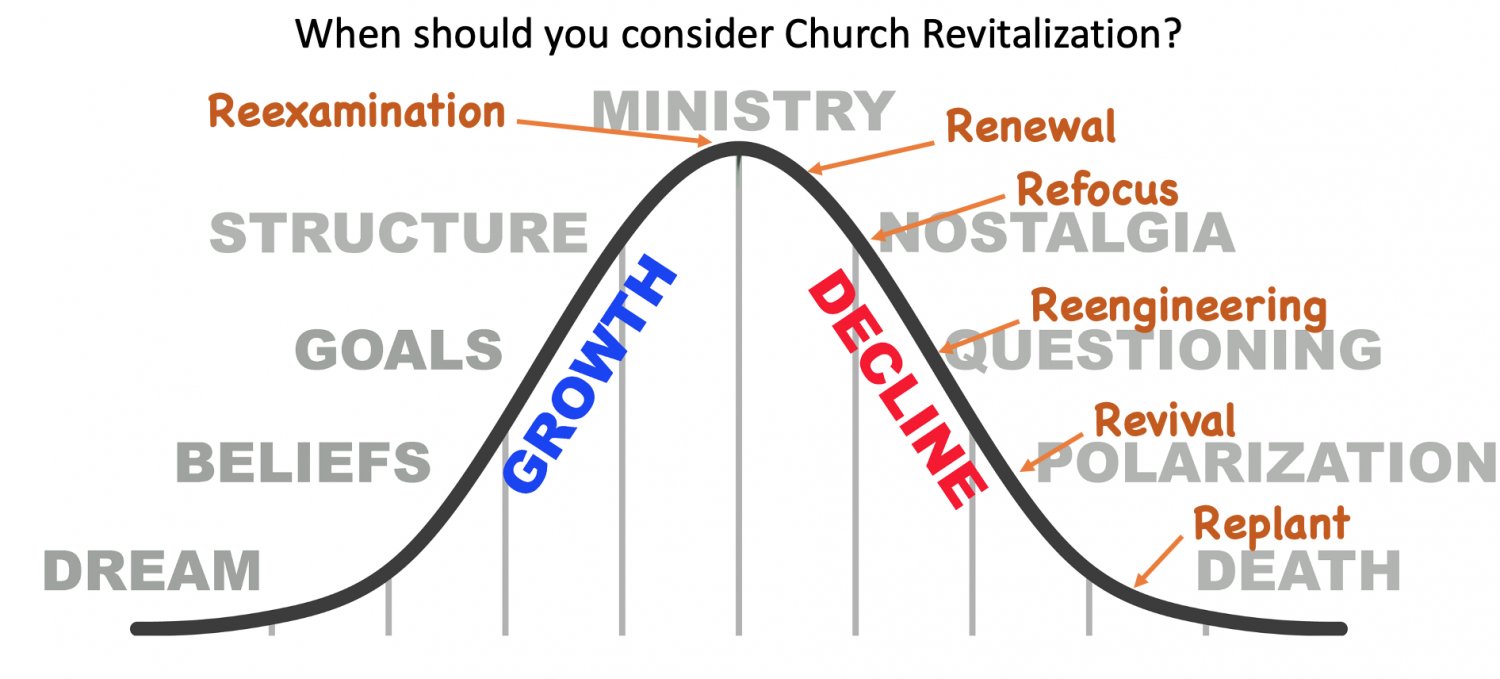
What happens when a once-thriving congregation feels more like a museum than a movement? The pews may still hold bodies, but the spirit often lingers in the dust of forgotten hymns and muted prayers. This playful question masks a serious challenge: how can a declining church rediscover its vitality and become a beacon of hope once again?
Diagnostic Pulse: Assessing the Decline
Before any remedy can be prescribed, an honest appraisal is essential. Begin by gathering attendance logs, giving trends, and community feedback. Look beyond the numbers—listen for signs of spiritual fatigue, disengaged volunteers, and waning evangelistic zeal. Use tools like a “congregational health scorecard” to map areas of atrophy, and invite a neutral facilitator to pose probing questions that surface hidden pain points. A clear diagnosis creates a roadmap, preventing the church from simply patching symptoms while the underlying malaise persists.
Envisioning a Future: Casting a Vision
Vision is the engine that propels renewal. After prayerful discernment, craft a succinct, aspirational statement that answers the question: “What will our community look like when the gospel flourishes here?” Involve long‑time members, youth, and newcomers in workshops to co‑create this narrative. Use vivid imagery and concrete milestones—perhaps a new community garden, a bilingual service, or a weekly “mission café.” When the vision is articulated with both urgency and hope, it becomes a unifying compass that guides decisions and re-energizes volunteers.
Leadership Renewal: Empowering New Voices
Stagnant leadership often mirrors a stagnant flock. Identify emerging leaders, whether they are seasoned believers ready for fresh roles or younger members with innovative ideas. Offer mentorship programs, leadership retreats, and skill‑development seminars that emphasize adaptive leadership, conflict mediation, and missional focus. Encourage a culture where questions are welcomed, failure is viewed as a learning moment, and authority is shared. By diversifying the leadership gene pool, the church injects fresh perspectives, fostering an environment where the Holy Spirit can work through a plurality of gifts.
Liturgical Alchemy: Reimagining Worship
Worship is the heartbeat of any congregation. If the liturgical style has become a relic, consider an alchemical blend of tradition and contemporary expression. Experiment with multimedia, creative arts, and interactive prayer stations while preserving sacred elements that anchor identity. Introduce “flex‑worship” services that rotate between acoustic sets, traditional hymns, and reflective silence. Such variety can re‑engage those who feel the service is “one‑size‑fits‑all,” while honoring the church’s heritage. Remember, worship that resonates creates a sacramental atmosphere where lives are transformed.
Community Connectivity: Building Relationships Inside and Outside
A church that lives in isolation often withers. Foster deep relationships within the congregation through small groups, serving teams, and intergenerational mentorship. Simultaneously, extend outward by partnering with local schools, food banks, and civic organizations. Host community festivals, neighbor‑to‑neighbor cleanup days, or “prayer walks” that publicly demonstrate love in action. When both internal and external bonds are strengthened, the church becomes a missional crucible, drawing people from the surrounding neighborhoods into its welcoming embrace.
Discipleship Dynamics: Formational Pathways
Discipleship is the pipeline that sustains spiritual growth. Develop clear pathways that move individuals from curious seekers to committed disciples. Integrate life‑on‑life mentorship, systematic theology courses, and experiential learning opportunities such as mission trips or service projects. Use curriculum that addresses contemporary issues—digital citizenship, mental health, social justice—so believers can live out their faith in a complex world. Consistent, relational formation equips members to become ambassadors of the gospel, multiplying the church’s impact.
Mission and Outreach: Proclaiming the Gospel
Missional vitality is the lifeblood of revitalization. Encourage every member to view their daily life as a mission field. Create “mission teams” that focus on specific outreach sectors: refugees, youth at risk, seniors, or local businesses. Provide resources for evangelistic events, follow‑up training, and prayer support. When the congregation collectively “goes,” the narrative of the church shifts from inward maintenance to outward evangelism, breathing fresh air into the community’s perception of faith.
Stewardship and Resource Management: Financial and Facility Renewal
Revitalization also demands wise stewardship of finances and facilities. Conduct a transparent budgeting process that aligns expenditures with the revitalized vision. Explore creative uses of physical space—co‑working hubs, childcare centers, or arts studios—that generate revenue and serve

