

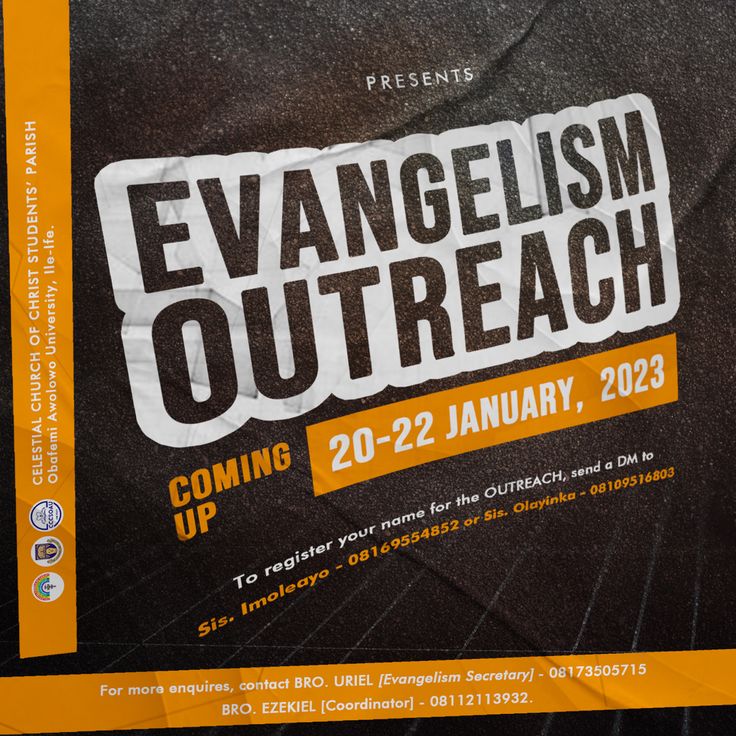
What if the most profound message of hope ever spoken could be drowned out by the noise of a world too busy scrolling past it? The church stands at a crossroads—not of geography, but of relevance. Evangelism isn’t just about shouting from a pulpit anymore; it’s about crafting a whisper that echoes across digital streets, a mural that stops a passerby in their tracks, or a social media story that lingers in the mind long after the screen fades to black. In an era where attention is the new currency, how do we ensure the gospel isn’t just heard, but felt? How do we transform outreach from a monologue into a dialogue, from obligation into invitation? The answer lies not in louder megaphones, but in sharper design, deeper empathy, and a willingness to meet people where they are—literally and figuratively.
The Art of Visual Evangelism: When Design Speaks Louder Than Words
Imagine walking down a bustling city street, your eyes darting between billboards, storefronts, and the endless scroll of your phone. Amidst the visual cacophony, one image stops you—a poster that doesn’t just inform, but intrigues. It doesn’t preach; it invites. It doesn’t demand belief; it sparks curiosity. This is the power of visual evangelism. A well-designed church poster or social media graphic isn’t just decoration; it’s a silent evangelist. It communicates values before words are spoken, and it does so in a language that transcends cultural and linguistic barriers.
Consider the interplay of color, typography, and imagery. A warm gradient might evoke comfort and belonging, while bold, sans-serif fonts can convey modernity and accessibility. The placement of a single, thought-provoking question—“What if your tomorrow could look different?”—can shift a passerby from observer to participant. The challenge? Avoiding the pitfall of cliché. A cross rendered in pixelated glitch art might feel edgy, but does it truly resonate, or does it just blend into the noise? The key is authenticity. The design must reflect the heart of the message, not just the medium. When a graphic design team collaborates with theologians and storytellers, the result isn’t just art—it’s a bridge between the sacred and the secular.
From Pulpit to Podcast: The Evolution of Evangelistic Storytelling
There was a time when evangelism meant gathering in a sanctuary, listening to a sermon, and responding at an altar call. Those days aren’t gone—but they’ve expanded. Today, the pulpit has migrated to podcasts, YouTube sermons, and even TikTok devotionals. The challenge? Keeping the message personal in an increasingly impersonal world. How do you convey the intimacy of a one-on-one conversation when your audience is a sea of faces staring into screens?
Enter narrative evangelism. It’s not about reciting scripture verbatim; it’s about weaving truth into stories that resonate with real life. A single mother struggling to make ends meet might find solace in a podcast episode titled “When the Bread Runs Out.” A college student drowning in anxiety might connect with a YouTube series titled “Faith in the Fog.” The power of storytelling lies in its ability to make the abstract tangible. But here’s the catch: authenticity is non-negotiable. A polished, overly produced sermon series might impress, but it won’t invite trust. The most effective evangelistic content feels like a conversation with a friend—imperfect, relatable, and deeply human.
The rise of interactive platforms adds another layer. Live Q&A sessions, Instagram AMAs, and community forums allow seekers to ask questions without fear of judgment. The church isn’t just broadcasting anymore; it’s engaging. The challenge? Balancing depth with accessibility. How do you explain the Trinity in 280 characters? You don’t. You point to a story, a song, or a shared experience. Evangelism today is less about answering questions and more about creating spaces where questions can be asked safely.
The Digital Mission Field: Navigating the Algorithms of Grace
Algorithms aren’t just lines of code—they’re gatekeepers of attention. They decide who sees your message and who scrolls past it. For churches, this means evangelism isn’t just about content; it’s about strategy. How do you optimize a Facebook post so it reaches the lonely, the curious, and the skeptical? How do you use Instagram Reels to share a message of hope without sounding like a spam bot?
The answer lies in understanding the digital mission field. It’s not a physical place, but a landscape of search queries, trending topics, and viral challenges. A church that wants to reach Gen Z might launch a series of Instagram Stories tied to a popular meme format. A ministry targeting young professionals could host a LinkedIn Live Q&A on faith and work-life balance. The key is to meet people where they are—even if “where they are” is a TikTok dance trend or a Twitter thread about existential dread.
But here’s the tension: algorithms reward engagement, and engagement thrives on controversy. How do you share the gospel in a way that’s compelling without being polarizing? The solution is to focus on shared human experiences. A post titled “When You Feel Like You’re Failing at Everything” might not mention Jesus directly, but it opens the door for a conversation about grace. The challenge is to be in the world without being of the world—using the tools of the world to point to something greater.
Community as Canvas: Turning Outreach into Ongoing Relationships
Evangelism isn’t a one-time event; it’s a journey. The most effective outreach campaigns don’t just convert— they cultivate. They don’t just invite to an event; they build a community. This is where the rubber meets the road. How do you transition from a transactional interaction—“Come to our event!”—to a transformational relationship—“Let’s walk this path together”?
Consider the concept of “third spaces”—places that aren’t home or work, but where community thrives. A café that hosts weekly “Faith & Coffee” discussions. A park where families gather for “Storytime with Scripture.” A Discord server where young adults share their struggles and victories. These spaces aren’t just venues; they’re ecosystems of belonging. The challenge? Consistency. A one-off event might draw a crowd, but it’s the ongoing rhythms of connection that change lives.
Another approach is to leverage the power of small groups. Whether it’s a Bible study in a living room or a virtual book club, these gatherings create intimacy. People are more likely to explore faith when they feel seen and heard. The key is to design these spaces intentionally. A group for new parents might focus on grace in imperfection. A group for creatives might explore faith through art and music. The goal isn’t to fill seats; it’s to fill hearts with the knowledge that they belong.
Measuring What Matters: The Paradox of Evangelistic Metrics
In a world obsessed with data, how do you measure the success of an evangelism campaign? Is it the number of flyers distributed? The views on a YouTube sermon? The number of altar calls? The truth is, some of the most significant moments in evangelism are invisible to analytics. A single conversation at a coffee shop might plant a seed that blossoms years later. A social media post might reach one person who needed it at exactly the right moment. The challenge is to resist the temptation to quantify everything—and instead focus on the quality of connections.
That said, metrics can still be useful. Track engagement rates, but also track stories. How many people followed up after an event? How many joined a small group? How many expressed a desire to know more? The most effective churches use data not as a scorecard, but as a compass—helping them refine their approach without losing sight of the human heart behind the numbers.
The ultimate measure of success isn’t in numbers, but in transformed lives. A campaign that leads to one person finding faith is a success. A graphic that sparks curiosity in a passerby is a success. A podcast episode that gives someone the courage to ask their first spiritual question is a success. Evangelism isn’t about mass conversion; it’s about faithful presence in the lives of others.
The Unseen Heroes: Empowering the Church to Become Evangelists
Behind every successful outreach campaign is a team of people—designers, storytellers, tech-savvy volunteers, and prayer warriors. But the most critical role is often overlooked: the everyday church member. The neighbor who invites a coworker to a small group. The friend who shares a sermon link because they know someone is hurting. The challenge is to equip these unsung heroes. How do you train a congregation to see themselves as missionaries in their own spheres?
Start with education. Workshops on sharing your faith story. Training on how to use social media for good. Resources on answering tough questions with grace. But education alone isn’t enough. People need permission to fail, to experiment, to find their own voice. The church must foster a culture where evangelism isn’t a duty, but a joy—a natural outgrowth of a life transformed by love.
The most powerful evangelism happens when the church stops trying to “win souls” and starts simply loving people. When a single mom feels seen at the grocery store. When a teenager finds a mentor in a youth leader. When a skeptic stumbles upon a sermon that makes them pause. The gospel isn’t a product to be sold; it’s a story to be lived. And the best outreach campaigns? They’re not campaigns at all. They’re lives lived in such a way that others can’t help but ask, “What makes you different?”

