

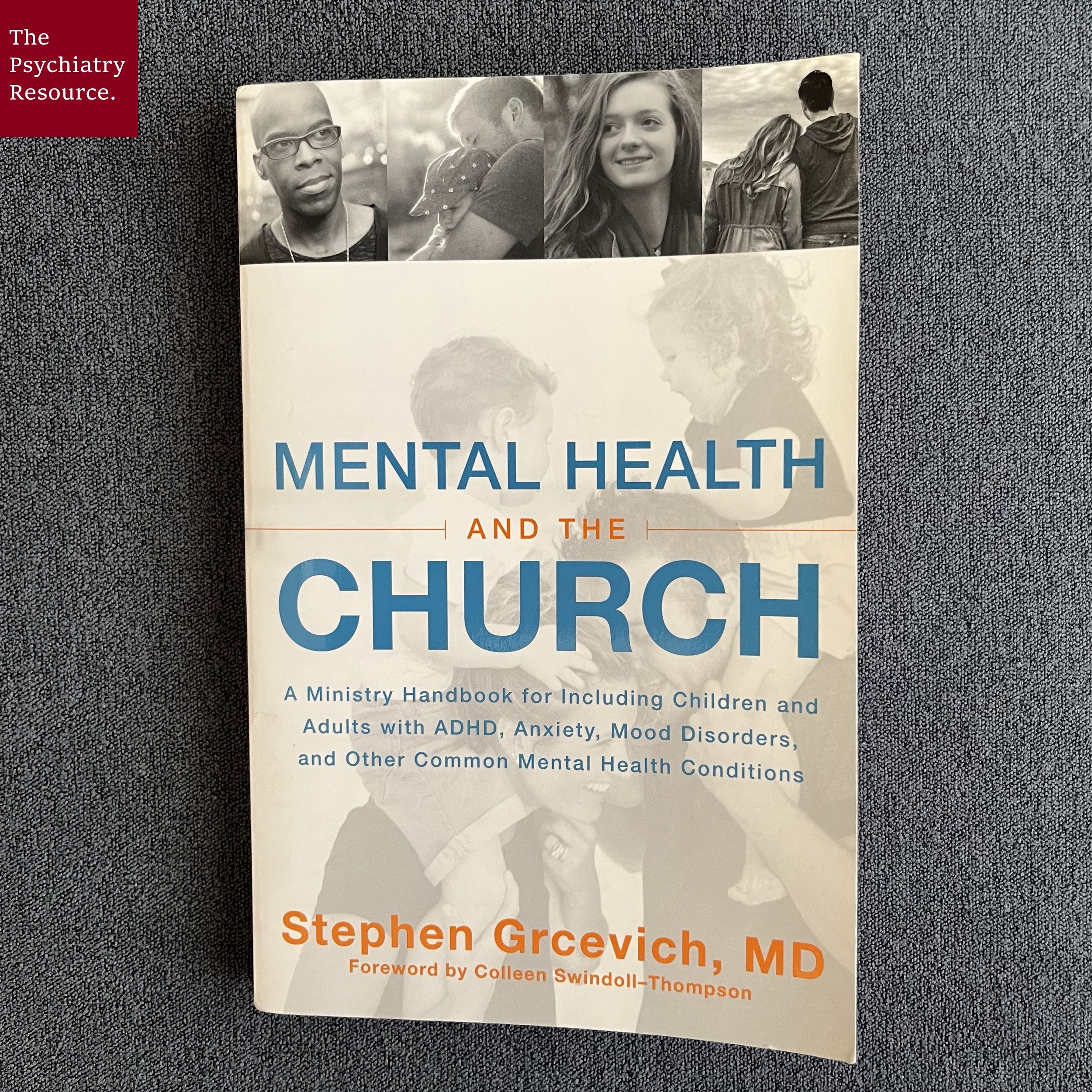
In an era where the whispers of anxiety and the weight of depression grow louder with each passing year, the intersection of faith and mental wellness has never been more vital. The church, often seen as a sanctuary of spiritual solace, is increasingly stepping into the role of a haven for emotional and psychological healing. Yet, navigating this delicate balance—between sacred scripture and modern psychology—can feel like walking a tightrope without a safety net. For those seeking guidance, books have emerged as bridges, connecting the timeless wisdom of faith with the cutting-edge insights of mental health care. Whether you’re a pastor, a parishioner, or simply someone searching for hope, these pages offer more than just words—they provide lifelines.
Theological Foundations: Reclaiming Mental Health Through Scripture
At the heart of the church’s role in mental health lies a profound question: Can faith alone heal the wounds of the mind? The answer, as many modern theologians argue, is not a simple yes or no—but a resounding call to rediscover the scriptural roots of emotional wholeness. Books in this category delve into the Bible’s most poignant passages, not as mere platitudes, but as raw, unfiltered reflections of human suffering and divine compassion. They explore how figures like King David, who poured out his anguish in the Psalms, or Jesus, who wept at the tomb of Lazarus, modeled a faith that embraces grief rather than denies it. These texts challenge the notion that mental health struggles are a sign of weak faith, instead framing them as part of the human condition—one that God meets with empathy and grace. For readers weary of clichés like “just pray harder,” these books offer a theology of mental health that is as intellectually rigorous as it is spiritually nourishing.
Practical Guidance: When Faith Meets Therapy
Yet theology alone cannot mend a fractured mind. The most transformative books on this topic are those that marry spiritual wisdom with actionable strategies, guiding readers toward holistic healing. These works often feature collaborations between pastors, counselors, and mental health professionals, creating a symphony of voices that resonate with both heart and mind. They might include step-by-step frameworks for integrating therapy with prayer, or frameworks for recognizing when professional help is not just advisable but necessary. Some even tackle the stigma within religious communities, where mental illness is sometimes dismissed as a lack of devotion. For those who’ve felt silenced by well-meaning but misguided advice, these books serve as a permission slip to seek help without guilt—because true faith, they argue, is not about enduring suffering in silence, but about walking the path of healing with courage and community.
Personal Narratives: Stories That Illuminate the Path
There is a unique power in stories—especially those that shatter the illusion of perfection within the church. Memoirs and personal accounts from pastors, missionaries, and everyday believers who’ve battled anxiety, depression, or trauma offer a rare blend of vulnerability and hope. These books don’t just inform; they resonate. They might recount the author’s journey from denial to acceptance, or describe the moment they realized their faith could coexist with therapy. Some explore the intersection of cultural identity and mental health, while others examine the role of community in healing. What unites them is their refusal to sugarcoat the struggle. Instead, they present mental health as a journey—one that is messy, nonlinear, and deeply human. For readers who’ve ever felt alone in their pain, these narratives are a balm, proving that even in the darkest valleys, the light of faith can still flicker.
Cultural and Historical Perspectives: The Church’s Evolving Role
The relationship between the church and mental health is not static; it has evolved across centuries, shaped by theology, science, and societal shifts. Books in this vein trace the historical roots of how mental illness was perceived—from demonic possession in medieval times to the moral failings of the 19th century, to today’s more nuanced understanding of brain chemistry. They examine how different Christian traditions—from evangelical to Catholic to Orthodox—approach mental health, highlighting both progress and persistent blind spots. Some works even delve into the role of the church in perpetuating stigma, while others celebrate the quiet revolutions happening in congregations worldwide. For readers interested in the bigger picture, these texts offer a lens to understand not just their own struggles, but the collective journey of the faith community toward greater compassion.
Resources for Leaders: Equipping the Church to Care
Pastors and church leaders carry a unique burden—they are often the first responders to crises of the soul, yet they may lack the training to address mental health with competence and care. Books written specifically for church leaders are a lifeline in this regard. They might include sermon guides on preaching about mental health, or training manuals for creating support groups within congregations. Some tackle the ethical dilemmas leaders face, such as when to refer a parishioner to a professional or how to respond to a suicide in the community. Others provide frameworks for fostering a church culture where mental health is discussed openly, without shame. For those in ministry, these resources are not just tools—they are a call to stewardship, reminding leaders that caring for the flock means caring for the whole person, mind and spirit alike.
Global Voices: Mental Health in Diverse Christian Contexts
Mental health is not a monolith, and neither is the church’s response to it. Books that amplify global perspectives reveal how different cultures and traditions grapple with emotional well-being. They might explore the role of prayer in healing trauma in post-conflict regions, or how Pentecostal communities in Latin America view mental illness through a spiritual lens. Others examine the silence around mental health in conservative cultures or the innovative ways churches in Africa and Asia are integrating traditional healing with modern therapy. These texts challenge the Western-centric view of mental health care, offering a tapestry of approaches that are as diverse as the body of Christ itself. For readers seeking to broaden their understanding, these books are a reminder that healing is not one-size-fits-all—and that the church’s role in mental health must be as multifaceted as the people it serves.
The Future of Faith and Mental Health: Emerging Trends and Challenges
As society grapples with rising rates of anxiety and depression, the church stands at a crossroads. Some books in this space peer into the future, exploring how technology—from mental health apps to online support groups—can be harnessed by faith communities. Others examine the growing movement toward “soul care” in Christian counseling, or the role of neuroscience in understanding spiritual experiences. There are also texts that confront the darker side of the intersection, such as the misuse of faith to manipulate or control, or the commercialization of mental health within some religious circles. These works don’t just predict the future; they challenge readers to shape it. For those who believe the church has a role to play in the mental health crisis, these books are a rallying cry—an invitation to reimagine what it means to be a healing presence in a broken world.

