

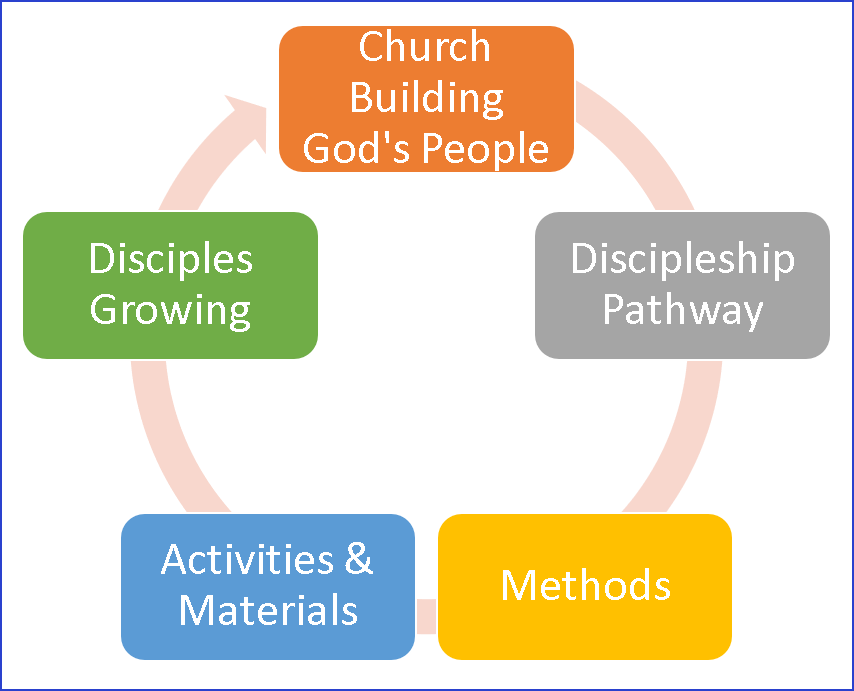
In the vast, ever-shifting landscape of modern spirituality, where attention spans flicker like candle flames in a storm, the art of discipleship has become both a sanctuary and a battleground. A church’s discipleship campaign is not merely a program—it is a pilgrimage, a transformative odyssey that beckons believers from the shallows of casual faith into the depths of intentional, Christ-centered living. Yet, too often, these campaigns falter, not for lack of vision, but because they fail to ignite the imagination or stir the soul. To craft a discipleship campaign that resonates, captivates, and endures, leaders must weave together strategy, storytelling, and sacred symbolism into a tapestry that feels less like a directive and more like a calling.
The Soil of Discipleship: Preparing the Ground for Growth
Before seeds can sprout, the soil must be tilled—softened, enriched, and cleared of weeds that choke potential. A discipleship campaign begins not with flashy graphics or high-energy events, but with the quiet, often overlooked work of cultivating a culture of hunger. This is the soil: the collective heartbeat of a congregation, the unspoken expectations, and the raw, unfiltered longing for something more. Leaders must first listen—to the whispers of doubt, the cries of the weary, the silent yearnings of those who sit in the pews but feel miles from the altar. Only then can they tailor a campaign that speaks directly to the soil’s needs, whether it’s replenishing depleted spirits, pruning misplaced priorities, or planting seeds of radical obedience.
Consider the parable of the sower, where the same seed falls on different terrains. A discipleship campaign must account for this diversity. Some hearts are rocky, resistant to deep roots; others are choked by the thorns of busyness and distraction. The most effective campaigns don’t just scatter information—they tend the soil first, creating environments where curiosity can take root and where the Holy Spirit’s voice is not drowned out by the noise of the world.
The Lighthouse Principle: Guiding with Clarity and Light
Discipleship is not a maze to be navigated by trial and error; it is a path illuminated by the steady, unchanging light of Scripture. A successful campaign functions like a lighthouse—unwavering in its beacon, yet adaptable in its methods. The light must be unmistakable: a clear, compelling vision of what it means to follow Christ with abandon. This vision should be articulated in vivid, almost cinematic terms—imagine a congregation not just as attendees, but as torchbearers, their flames merging into a single, radiant glow that pierces the darkness of the world.
Yet, a lighthouse does not shine in isolation. It requires a network of smaller lights—small groups, mentorship pairs, and accountability circles—that extend the reach of the main beam. The campaign’s structure should mirror this, offering multiple entry points for engagement. A weekly sermon series might be the towering beam, but midweek Bible studies, service projects, and digital devotionals act as the scattered embers that keep the fire alive between Sundays. The key is consistency: the light must never flicker, even when the winds of doubt or distraction howl.
The Alchemy of Story: Transforming Information into Transformation
Human beings are hardwired for story. We don’t just remember facts; we remember the emotions, the conflicts, and the triumphs that stories evoke. A discipleship campaign that relies solely on doctrinal lectures or bullet-pointed action steps will struggle to take root. Instead, leaders must harness the alchemy of narrative—the process of turning abstract truths into lived experiences. This means sharing testimonies that crack open hardened hearts, crafting parables that resonate with modern struggles, and even using multimedia elements like short films or podcasts to immerse participants in the journey.
Think of the early church: the apostles didn’t just teach theology; they recounted the life, death, and resurrection of Jesus in ways that made it feel immediate and personal. Today’s campaigns must do the same, using stories that bridge the gap between ancient truth and contemporary life. A struggling single mother might find her story reflected in the tale of the widow who gave her last coin. A disillusioned young adult might see themselves in the prodigal son, finally realizing that home is not a place, but a person—Jesus Himself. When stories become the vehicle for truth, discipleship ceases to be a checklist and becomes a pilgrimage of the heart.
The Rhythm of Engagement: Crafting a Cadence That Captivates
Discipleship is not a sprint; it is a symphony, requiring a deliberate rhythm that builds momentum without overwhelming the participants. A campaign’s structure should feel like a well-composed piece of music—each movement distinct, yet harmonizing with the whole. This means balancing intensity with rest, depth with accessibility, and challenge with grace. For example, a campaign might begin with a season of listening—sermons that explore the “why” behind discipleship, followed by small-group discussions where participants wrestle with their own “how.” Mid-campaign could introduce a surge of action—service projects, fasting, or corporate prayer—before culminating in a reflective season of celebration and commissioning.
Yet, rhythm is not just about timing; it’s about anticipation. The best campaigns leave participants hungry for more, not because they are manipulated, but because they are genuinely drawn deeper. This requires a keen understanding of human psychology—the way curiosity ebbs and flows, how fatigue sets in, and where the Holy Spirit is already at work. Leaders must be attuned to these rhythms, adjusting the tempo as needed, like a conductor who knows when to swell the strings and when to let the silence speak volumes.
The Fire of Fellowship: Kindling Community That Lasts
Discipleship was never meant to be a solo endeavor. The early church gathered in homes, broke bread together, and shared everything in common—not out of obligation, but because they had tasted the sweetness of unity. A campaign that neglects the power of fellowship is like a campfire without oxygen: it may burn for a while, but it will never blaze with the intensity of a shared flame. True community is forged in vulnerability, where participants can confess struggles, celebrate victories, and spur one another on toward love and good deeds.
This kind of fellowship doesn’t happen by accident. It requires intentional design—structured small groups with clear expectations, mentorship programs that pair the mature with the curious, and even social events that remove the pressure of “spiritual performance” and allow relationships to flourish naturally. The goal is to create spaces where people feel seen, known, and loved—not as projects to be completed, but as souls knit together by the Spirit. When fellowship becomes the heartbeat of a campaign, discipleship transcends methodology and becomes a way of life.
The Harvest of Holiness: Measuring What Matters
In a results-driven world, it’s tempting to measure the success of a discipleship campaign by attendance numbers, social media engagement, or even baptism statistics. But the true harvest of holiness is not always visible in the moment. It is the quiet transformation of a heart that once prayed out of duty but now prays out of desire. It is the family that, after years of disconnection, finally gathers around the table for prayer. It is the individual who, though unseen, begins to live with a newfound integrity, their actions reflecting the love they claim to believe in.
Leaders must resist the urge to quantify what God alone can measure. Instead, they should cultivate an environment where spiritual growth is celebrated in all its forms—whether it’s a teenager who starts reading Scripture daily or a senior saint who finally feels confident enough to share their faith. The campaign’s metrics should include stories of changed lives, not just spreadsheets of participation. After all, the goal is not to build a program, but to build people—people who are being conformed to the image of Christ, one surrendered step at a time.

