

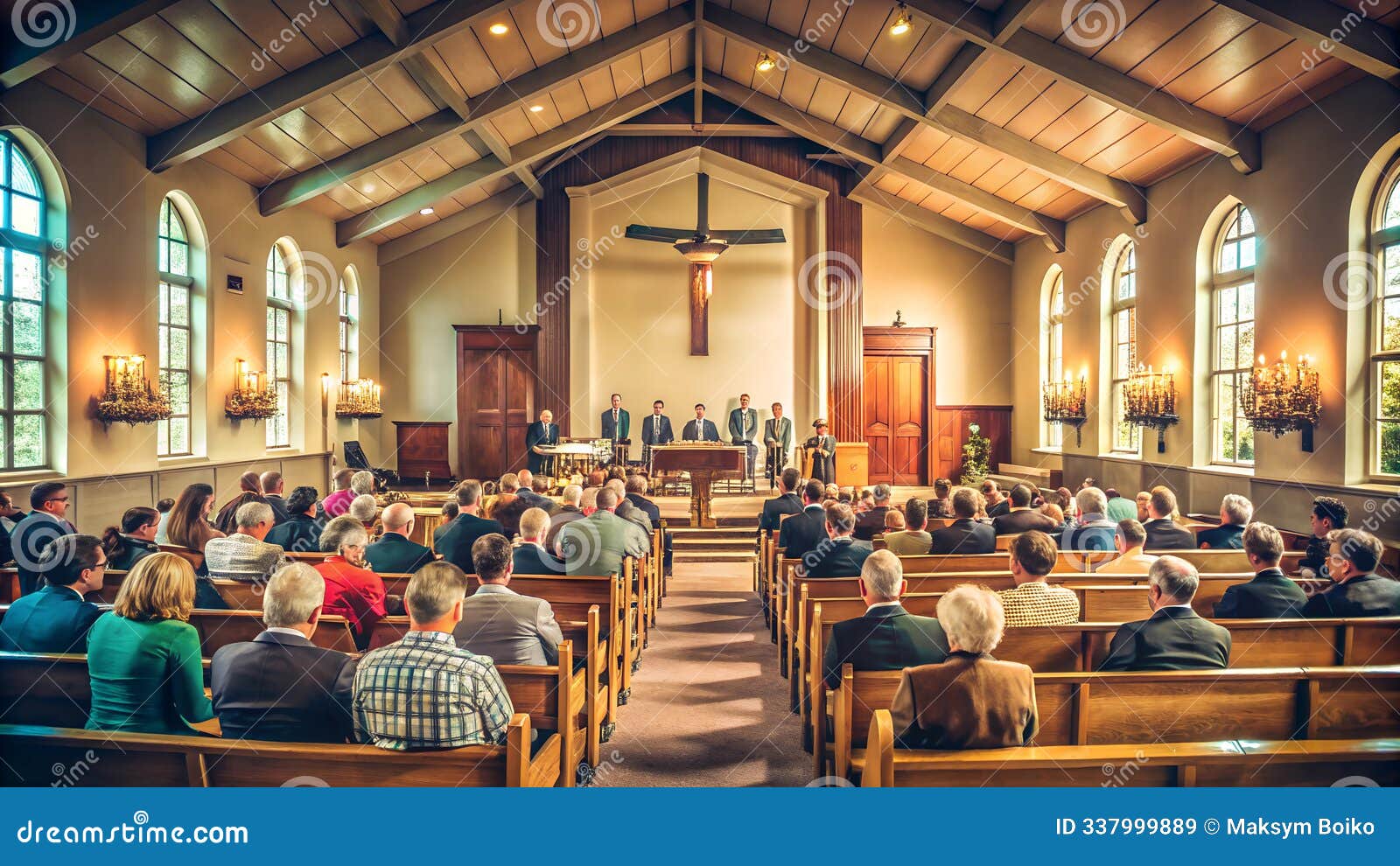
Transforming a church worship campaign from a passive experience into an active, participatory journey requires more than just a well-curated playlist or a compelling sermon. It demands intentional strategies that invite the congregation to become co-creators of the spiritual narrative unfolding within the sanctuary. When members transition from spectators to participants, the worship experience transcends routine—it becomes a living, breathing testament to collective faith. The key lies in crafting diverse content that resonates with different personalities, spiritual maturities, and life stages within the community. From interactive sermon notes to immersive multimedia elements, each piece of content should serve as a bridge, connecting hearts to the divine in ways that feel personal and profound.
Interactive Sermon Notes: A Canvas for Personal Reflection
Gone are the days when sermon notes were mere bullet points scribbled in the margins of a Bible. Today, they can evolve into dynamic tools that guide the congregation through a journey of discovery. Imagine a worship campaign where sermon notes are not just handed out but designed to spark curiosity and introspection. Each page could feature thought-provoking questions, blank spaces for journaling, or even QR codes linking to supplementary resources like podcasts or articles. For the analytical minds, include infographics that break down complex theological concepts into digestible visuals. For the creatives, provide prompts that encourage artistic expression—sketching, poetry, or even collage-making based on the sermon’s themes. This approach transforms passive listening into an active dialogue with the message, allowing each individual to internalize the Word in a way that speaks uniquely to their soul.
Multimedia Storytelling: Painting Faith with Pixels and Sound
Visual and auditory storytelling can elevate a worship campaign from ordinary to extraordinary. Consider integrating short documentary-style videos that capture real-life testimonies of faith journeys within the congregation. These aren’t just polished, professional productions but raw, authentic snippets that reveal the struggles and triumphs of everyday believers. Pair these with original worship anthems composed by local musicians, blending contemporary melodies with timeless hymns to create a soundscape that resonates across generations. For the tech-savvy, augmented reality (AR) elements could allow congregants to scan their bulletins or program notes with their smartphones, unlocking hidden layers of content—lyric videos, behind-the-scenes footage, or even interactive prayer requests. This multimedia tapestry weaves together sight, sound, and emotion, making the worship experience immersive and unforgettable.
Small Group Discussion Guides: Fostering Communal Wisdom
Worship isn’t meant to be a solitary endeavor; it thrives in the context of community. Small group discussion guides can serve as the backbone of a participatory worship campaign, providing structured yet flexible frameworks for deeper exploration. These guides might include icebreaker questions that tie into the week’s theme, such as, “What’s a time when you felt God’s presence in an unexpected place?” or “How can we apply today’s message to our daily interactions?” For groups that prefer action over discussion, incorporate service project ideas that align with the campaign’s themes—organizing a food drive, writing encouraging letters to first responders, or volunteering at a local shelter. The goal is to move beyond intellectual assent and into lived-out faith, where the truths discussed on Sunday morning are put into practice by Monday evening. By equipping small groups with these guides, you’re not just filling seats—you’re cultivating a culture of discipleship.
Social Media Challenges: Inviting the Digital Flock to Participate
The digital age has redefined community, and a worship campaign can harness this reality by creating social media challenges that extend the experience beyond the sanctuary. These challenges might include a “7-Day Gratitude Challenge,” where congregants post photos or videos of moments that sparked thankfulness, or a “Prayer Wall” where members share anonymous prayer requests online, fostering a sense of global intercession. For the visually inclined, a “Worship in the Wild” challenge could encourage people to capture God’s creation—a sunrise, a child’s laughter, a moment of quiet reflection—and pair it with a Scripture verse that resonates. The key is to make participation effortless yet meaningful. Encourage the use of a unique hashtag to unify the posts, creating a virtual tapestry of faith that inspires both participants and observers alike. This approach not only engages those who can’t attend in person but also invites the broader community to witness the transformative power of the Gospel.
Creative Worship Stations: Engaging the Senses in Sacred Spaces
Worship stations are interactive, tactile experiences that allow congregants to engage with God through multiple senses. These stations can be set up in the sanctuary or in designated areas of the church, each designed around a specific theme or Scripture passage. For example, a “Prayer Labyrinth” might invite participants to walk a path while meditating on God’s faithfulness, while a “Creation Station” could offer clay, watercolors, or natural elements for art inspired by Psalm 19:1—“The heavens declare the glory of God.” Another station might feature a “Listening Booth,” where individuals can record their prayers or praises, creating a collective audio mosaic of the congregation’s heart cries. These stations break the monotony of traditional worship formats, offering moments of quiet reflection, artistic expression, or even physical movement. By appealing to the senses, they create pathways for the Holy Spirit to move in ways that words alone cannot.
Family-Centric Resources: Nurturing Faith Across Generations
A worship campaign that fails to engage families risks missing the most fertile ground for spiritual growth. To involve all ages, provide resources that cater to different developmental stages. For children, create “Adventure Bags” filled with activity sheets, coloring pages, and simple crafts tied to the week’s theme. Include a family discussion guide with age-appropriate questions, such as, “How can we show God’s love to someone today?” For teens, design a “Faith in Action” journal where they can track their spiritual habits, set goals, and reflect on their journey. Parents can benefit from a “Family Worship Kit,” which includes a short devotional, a list of conversation starters, and ideas for incorporating faith into everyday moments—like praying before meals or discussing a movie’s moral themes. When the entire family is equipped to participate, the worship campaign becomes a unifying force that strengthens bonds and deepens faith across generations.
Testimony Spotlights: Amplifying Voices of Transformation
Nothing stirs the heart like hearing a firsthand account of God’s work in someone’s life. During the campaign, feature regular “Testimony Spotlights” that highlight personal stories of redemption, healing, or answered prayer. These could take the form of live interviews during the service, pre-recorded video clips, or written testimonials shared in the bulletin or online. To make it interactive, invite the congregation to submit their own stories via a simple form or social media, with the best submissions featured in future services. This not only validates the experiences of those sharing but also encourages others to reflect on their own journeys. When people see the tangible impact of the Gospel in the lives of their peers, it fosters a sense of hope and expectancy, reminding everyone that they, too, are part of a larger narrative of God’s faithfulness.
Closing Call to Action: Empowering the Congregation to Own the Mission
The culmination of a worship campaign should never feel like an ending but rather a launching point for sustained engagement. Provide a clear, compelling call to action that empowers the congregation to take ownership of the mission. This might include a “Commitment Sunday,” where members are invited to sign up for ongoing ministries, small groups, or volunteer opportunities. Alternatively, it could be a challenge to memorize a key Scripture verse each week or to invite a friend to the next service. For those ready to go deeper, offer a “Discipleship Pathway” that outlines next steps—whether it’s joining a mentorship program, enrolling in a Bible study, or participating in a local mission trip. The goal is to transition from passive attendance to active discipleship, where the worship campaign’s energy is channeled into a lifelong pursuit of knowing and serving God. When the congregation leaves the sanctuary with a sense of purpose, the campaign’s impact extends far beyond the final “Amen.”

