

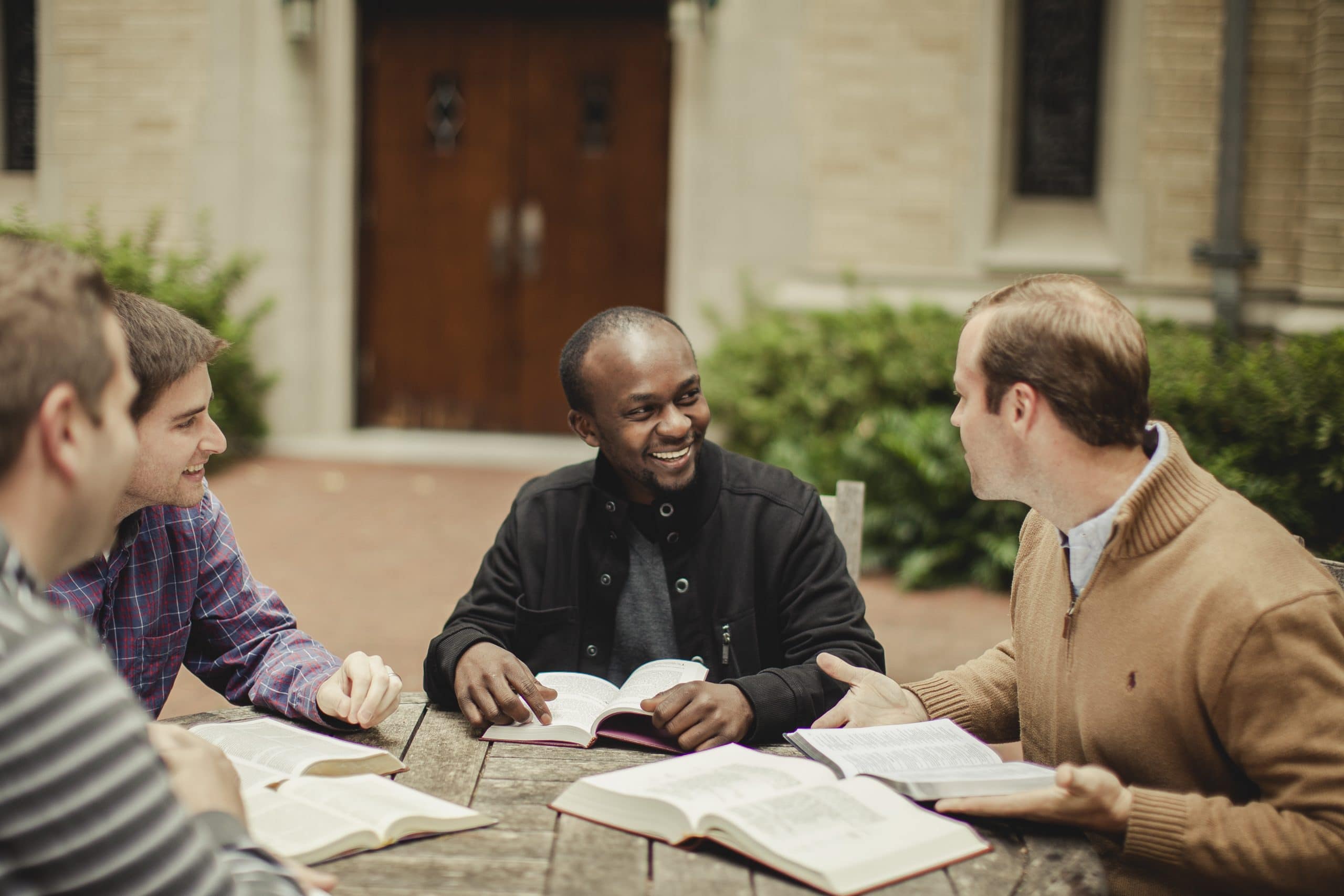
In an age where digital distractions fragment our attention and individualism erodes communal bonds, the act of reading Scripture together within the church has become a revolutionary act of unity. Church Bible Reading Campaigns and Small Groups are not merely programs—they are lifelines, breathing fresh vitality into congregational life. When believers gather to read, reflect, and respond to God’s Word collectively, something sacred unfolds: hearts synchronize, minds are renewed, and the body of Christ is edified in ways solitary study cannot achieve. This shared journey through Scripture transforms passive listeners into active participants in God’s grand narrative, fostering spiritual depth, accountability, and a sense of belonging that transcends Sunday mornings.
The Power of Collective Scripture Engagement: Why It Matters
There is an alchemy that occurs when a room full of diverse individuals—each with their own stories, struggles, and triumphs—unites around a single passage of Scripture. The power of collective engagement lies not in uniformity of thought but in the symphony of perspectives that emerge when the Holy Spirit illuminates truth. Unlike solitary reading, which can devolve into intellectualism or passivity, group Bible reading ignites dialogue, challenges assumptions, and cultivates empathy. It dismantles the illusion of spiritual independence, reminding believers that faith is not a solo sport but a communal pilgrimage. When a church embarks on a Bible Reading Campaign, it signals a commitment to move beyond superficial engagement with Scripture, fostering a culture where the Word is not just heard but lived out in concert.
Structured Campaigns: The Blueprint for Unified Reading
A well-designed Bible Reading Campaign serves as the scaffolding for sustained, communal engagement with Scripture. These campaigns often span weeks or months, providing a curated roadmap that guides participants through specific books, themes, or biblical eras. The structure prevents aimless wandering and ensures that the reading experience is both cohesive and comprehensive. Some campaigns employ a chronological approach, walking readers through the Bible from Genesis to Revelation, while others focus on thematic threads like redemption, justice, or the attributes of God. The beauty of a structured campaign lies in its ability to democratize deep biblical study—even newcomers can dive into profound truths when the material is presented in digestible, sequential portions. Moreover, these campaigns often incorporate supplementary resources such as devotionals, discussion guides, and multimedia elements to enrich the experience, transforming reading into a multi-sensory journey.
Small Groups: The Crucible of Transformation
If a Bible Reading Campaign provides the roadmap, Small Groups are the crucible where transformation occurs. These intimate gatherings—typically 6 to 12 people—create a safe space for vulnerability, authenticity, and mutual encouragement. Unlike large-group settings where participation can feel intimidating, Small Groups foster an environment where questions are welcomed, doubts are aired, and insights are shared without fear of judgment. The magic of Small Groups lies in their ability to bridge the gap between head knowledge and heart transformation. As members wrestle with Scripture together, they begin to see their own lives reflected in the biblical narrative. A struggling single mother might find solace in the story of Hannah; a weary pastor might draw strength from Paul’s thorn in the flesh. These shared revelations knit hearts together, forging bonds that extend far beyond the study itself.
Diverse Content Formats: Catering to Every Learner
Not all learners are wired the same, and a dynamic Bible Reading Campaign recognizes this by offering a spectrum of content formats to engage every type of reader. For the analytical mind, in-depth commentaries and historical context provide depth, while creative souls might connect with artistic reflections or poetic paraphrases of Scripture. Visual learners benefit from infographics that map out biblical timelines or character studies, while kinesthetic learners thrive in interactive settings where they can dramatize passages or create tangible expressions of their insights. Podcasts and video teachings offer auditory learners a way to absorb truth while commuting or exercising. Some campaigns even incorporate social media challenges, encouraging participants to share brief reflections or artwork inspired by their readings. By diversifying the content, churches ensure that no one is left behind, and every participant can encounter God’s Word in a way that resonates with their unique wiring.
Accountability and Encouragement: The Lifeline of Community
One of the most transformative aspects of church Bible Reading Campaigns is the element of accountability. When individuals commit to reading Scripture alongside others, they are less likely to abandon the practice when life gets chaotic. Accountability partners or Small Group leaders can gently nudge members who fall behind, offering encouragement rather than shame. This system of mutual responsibility fosters perseverance, ensuring that the reading habit takes root and flourishes. Moreover, accountability creates opportunities for celebration—when a member reaches a milestone or grasps a difficult truth, the group can rejoice together, reinforcing the joy of the journey. Encouragement, too, flows freely in these settings. A timely word of Scripture shared in a Small Group can be the very thing a weary soul needs to press on. In this way, accountability and encouragement become the twin pillars that sustain long-term engagement with God’s Word.
Practical Tools for Implementation: From Vision to Reality
Turning the vision of a church-wide Bible Reading Campaign into reality requires more than good intentions—it demands practical tools and strategic planning. Churches can leverage digital platforms to host reading plans, discussion forums, and live Q&A sessions with pastors or theologians. Printed booklets or journals provide tactile resources for those who prefer pen and paper. Small Group leaders should be equipped with training to facilitate discussions effectively, balancing structure with organic conversation. Some churches assign “reading champions” within each group to keep momentum high and troubleshoot challenges. Regular check-ins, whether through newsletters or social media groups, keep the campaign visible and exciting. The key is to make participation as frictionless as possible, removing barriers that might deter engagement. When the tools are accessible and the process is streamlined, the campaign becomes not just a program but a movement that captivates the entire congregation.
Overcoming Common Challenges: Navigating the Rough Waters
No transformative endeavor is without its obstacles, and church Bible Reading Campaigns are no exception. One common challenge is inconsistency—participants may start strong but wane as the weeks pass. To combat this, churches can introduce mid-campaign refreshers, such as guest speakers or themed worship nights, to reignite enthusiasm. Another hurdle is the diversity of biblical literacy within a group; some members may feel intimidated by complex passages, while others crave deeper study. Flexible discussion questions that cater to different levels of understanding can bridge this gap. Resistance to change can also arise, particularly in traditional congregations wary of “newfangled” methods. Leaders can address this by framing the campaign as a return to the early church’s practice of communal Scripture engagement, grounding it in historical precedent. Finally, logistical issues like scheduling conflicts or lack of childcare can deter participation. Offering multiple Small Group times or virtual options can mitigate these barriers, ensuring that no one is excluded from the experience.
The Ripple Effect: How Shared Reading Transforms the Church
The impact of a church-wide Bible Reading Campaign extends far beyond the individual or the Small Group—it sends ripples through the entire congregation, reshaping its culture and mission. As members grow in their love for Scripture, they naturally become more engaged in service, evangelism, and discipleship. The campaign fosters a shared language and vision, aligning the church around a common purpose. It also equips leaders, from pastors to laypeople, with a deeper understanding of Scripture that they can then impart to others. Over time, the habit of reading together seeps into the church’s DNA, becoming an ingrained rhythm rather than a one-time event. Families begin reading Scripture at home. New believers find mentors who guide them through the Bible. The church’s outreach efforts gain clarity and conviction as members speak from a place of personal encounter with God’s Word. In this way, a Bible Reading Campaign is not just an activity—it is a catalyst for revival, breathing new life into the body of Christ.

