

Imagine your church’s giving campaign not as a mere financial appeal, but as a sacred symphony—where every note, every instrument, and every pause harmonizes to create a crescendo of generosity that echoes through eternity. A well-crafted giving campaign is more than a transaction; it’s a transformative journey, a spiritual awakening that stirs hearts and fuels missions. To orchestrate such a movement, you need a meticulously designed plan, one that blends strategy with soul, data with devotion, and vision with vulnerability. Let’s embark on this odyssey together, uncovering the art and science of crafting a church giving campaign that resonates deeply and yields bountiful fruit.
The Foundation: Clarifying Your Vision and Mission
Before pen meets paper or fingers dance across keyboards, pause to ask: Why does this campaign exist? Is it to fund a new sanctuary, sustain outreach programs, or seed a global missions initiative? Your vision is the North Star, the gravitational pull that aligns every subsequent decision. It’s not enough to say, “We need more money.” Instead, articulate the purpose behind the need. Paint a vivid picture of the impact—how a child’s life will be transformed, how a community will be restored, how the gospel will ripple outward. This clarity becomes the bedrock upon which trust is built. When congregants understand the why, their hearts engage, and their wallets follow.
Next, define your mission—the practical expression of that vision. Will this be a one-time capital campaign, an annual stewardship drive, or a year-long generosity initiative? Each format demands a different tempo and rhythm. A capital campaign thrives on urgency and excitement, while an annual drive benefits from consistency and deep-rooted habit formation. The mission also shapes your messaging. A campaign for a new building might emphasize legacy and permanence, while a missions-focused drive could highlight adventure and global impact. The key is to ensure your vision and mission are not just lofty ideals but living, breathing entities that your congregation can grasp and champion.
The Heartbeat: Engaging the Congregation’s Emotions
Generosity is not a spreadsheet; it’s a story. To ignite passion, you must craft a narrative that tugs at the heartstrings and stirs the soul. Begin by humanizing the cause. Share testimonials from those who’ve been blessed by past giving—stories of lives changed, families healed, and communities transformed. Use vivid imagery: “Imagine a single mother, weary from work, finding hope in a food pantry sustained by your gifts.” Or, “Picture a village in a distant land, its children’s laughter echoing through a schoolhouse built by your generosity.” These aren’t just anecdotes; they’re emotional anchors that tether your campaign to real lives.
Metaphors can elevate your message from mundane to magical. Think of giving as planting seeds—each gift a tiny acorn that, over time, grows into a mighty oak of ministry. Or consider it a bridge, connecting your congregation’s resources to the needs of the world. The more vivid and unexpected your metaphors, the more memorable your campaign becomes. Avoid clichés like “give till it hurts.” Instead, invite people to “give till the world hears.” Emotional engagement isn’t about manipulation; it’s about revelation. When people see the tangible impact of their giving, their hearts open, and their hands follow.
The Framework: Designing a Multi-Channel Strategy
A giving campaign is not a solo performance; it’s a grand ensemble where every channel plays its part. Start with the pulpit—the sacred space where vision is cast and hearts are stirred. Sermons should weave giving into the fabric of faith, not as an afterthought but as a natural response to God’s grace. Use scripture to frame generosity as an act of worship, a reflection of gratitude, and a partnership with the divine. Introduce the campaign gradually, allowing the message to simmer in the congregation’s consciousness before the ask is made.
Supplement the pulpit with digital storytelling. A well-produced video can convey emotion and urgency in ways words alone cannot. Show behind-the-scenes footage of ministry in action, interviews with beneficiaries, and glimpses of the future you’re building together. Social media becomes a megaphone, amplifying stories and creating a ripple effect. Platforms like Instagram and Facebook thrive on visuals—use them to share bite-sized testimonies, infographics that illustrate progress, and live Q&A sessions where leaders address questions transparently. Email campaigns, too, play a crucial role. Segment your audience—new members, long-time givers, and potential first-time donors—and tailor messages to their unique journeys. A personalized touch, like a handwritten note or a video message from the pastor, can turn a generic email into a heartfelt invitation.
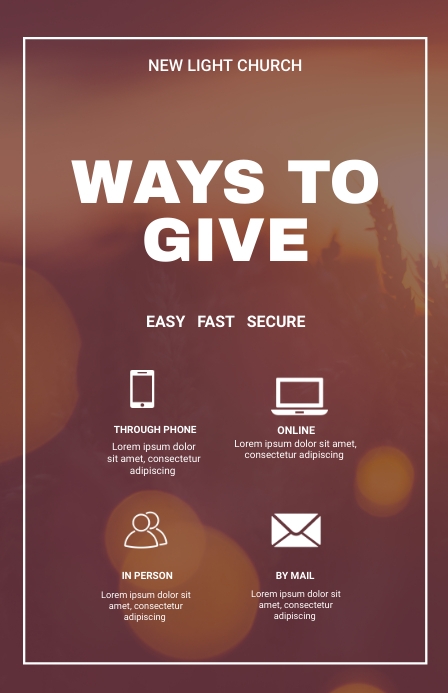
Don’t overlook the power of print. A beautifully designed flyer or brochure serves as a tangible reminder of the campaign’s vision. Place them in pews, hand them out after service, or mail them to homes. The tactile experience of holding a physical piece of the campaign can reinforce its importance. For those who prefer digital, ensure your website is a hub of information—clear, accessible, and visually compelling. Include a dedicated landing page with FAQs, giving options, and progress trackers. The goal is to make giving as effortless as possible, removing every barrier between intention and action.
The Catalyst: Leveraging Leadership and Testimonials
People follow leaders. When your pastoral team, elders, and key influencers model generosity, the congregation takes notice. A public commitment from leadership—whether it’s a percentage of their income or a sacrificial gift—sends a powerful message. It says, “This matters to us, and it should matter to you.” Consider hosting a “Leadership Giving Sunday,” where pastors share their personal stories of how giving has shaped their faith. Authenticity breeds authenticity. When leaders speak from the heart, the congregation listens with open ears and softened hearts.
Testimonials are the secret sauce of any giving campaign. They break down walls of skepticism and build bridges of trust. Feature stories from diverse voices—longtime members, newcomers, young adults, and seniors. Each story should highlight a different facet of the campaign’s impact. A young family might share how their giving allowed them to experience the joy of sacrificial love. A retiree could reflect on how giving has given their life new purpose. These narratives aren’t just about money; they’re about transformation, community, and the divine intersection of faith and action. The more voices you include, the more inclusive and compelling your campaign becomes.
The Momentum: Creating Urgency Without Pressure
Urgency is the spark that turns passive interest into active participation. But urgency must be wielded with care—it should feel like an invitation, not a demand. One effective strategy is to set a clear, achievable goal with a deadline. Whether it’s a specific dollar amount or a milestone like “enough to feed 100 families this month,” a tangible target gives people something to rally around. Use progress trackers—thermometers, digital counters, or even a simple bulletin board—to visually represent how close you are to the goal. Watching the needle move creates a sense of collective achievement and motivates others to join in.
Another way to foster urgency is through matching challenges. Announce that a generous donor (or group of donors) has pledged to match gifts up to a certain amount. This leverages the power of compounding—every dollar given becomes two, tripling the impact. Matching challenges tap into the human desire to maximize value and feel part of something bigger. They also create a sense of FOMO (fear of missing out), subtly encouraging people to act before the opportunity passes. Just be transparent about the terms—how long the challenge lasts, who’s participating, and what the funds will support. Transparency builds trust, and trust fuels generosity.
Consider hosting a “Generosity Weekend,” where the entire congregation is invited to participate in a focused, high-energy push. This could include special music, dramatic readings, or interactive elements like a “giving wall” where people write down their commitments. The goal is to create an atmosphere where giving feels less like a duty and more like a privilege—a chance to be part of something eternal.
The Culmination: Celebrating and Stewarding the Results
A giving campaign doesn’t end when the final dollar is counted. In fact, the post-campaign phase is where the true magic happens. Celebrate the results with gratitude and joy. Share a final report that highlights the total amount raised, the impact it will have, and the stories of lives changed. Host a “Celebration Sunday” where you thank the congregation, recognize donors, and cast vision for the future. This isn’t just about patting backs; it’s about reinforcing the culture of generosity you’ve worked so hard to cultivate.
Stewardship is the final, often overlooked, piece of the puzzle. Show donors how their gifts are being used. Provide regular updates—quarterly newsletters, impact reports, or even in-person meetings—where you share stories, data, and gratitude. When people see the tangible fruit of their giving, they’re more likely to give again. It’s also an opportunity to invite them into deeper levels of generosity, whether through recurring donations, legacy giving, or volunteerism. The goal is to transform one-time givers into lifelong partners in ministry.
Finally, use the campaign as a springboard for ongoing conversations about generosity. Host small group discussions, Bible studies, or workshops that explore the biblical principles of stewardship. Create a culture where giving is not a one-time event but a continuous rhythm of faith. The end of one campaign should always be the beginning of the next, a never-ending cycle of vision, action, and celebration.

