

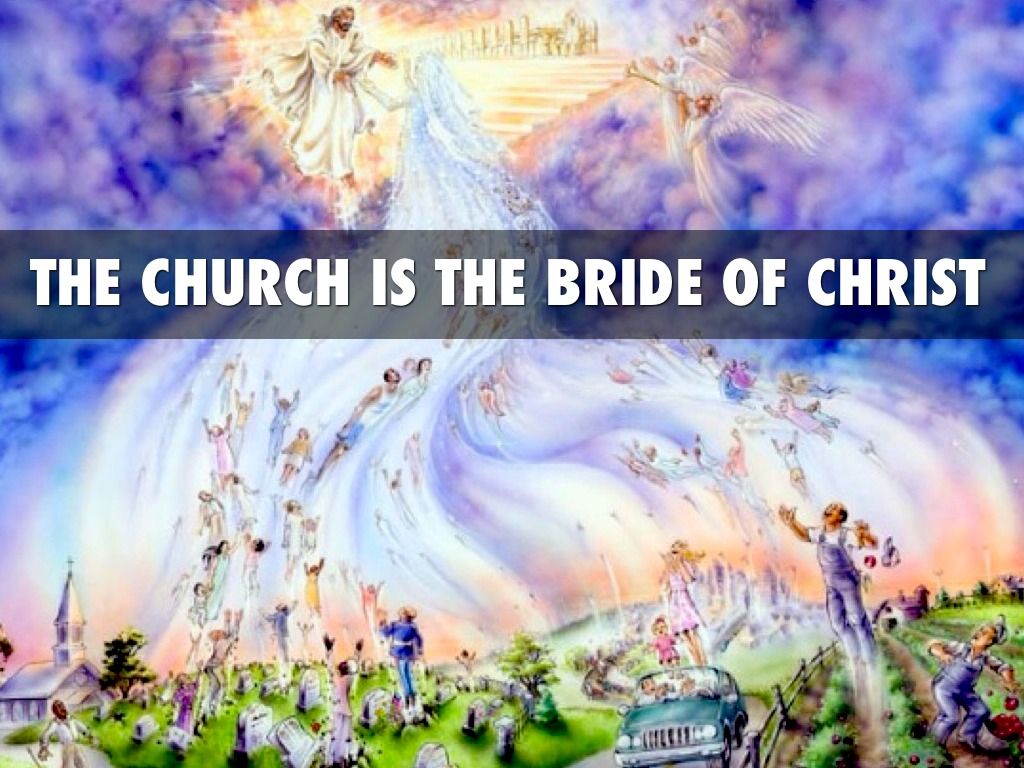
When the New Testament declares the church “the bride of Christ,” it offers more than poetic metaphor; it promises a seismic shift in perspective that piques curiosity about God’s ultimate design for redemption. This mysterious nuptial motif weaves together covenant, love, and destiny, inviting every believer to see their communal identity through the eyes of a devoted groom who has already laid down his life for his beloved. As we explore the biblical meaning of this sacred union, we uncover layers of divine promise, spiritual transformation, and eschatological hope that reshape how we live, worship, and anticipate the fulfillment of God’s kingdom.
The Scriptural Tapestry of the Bride
The image of the bride appears throughout Scripture, forming a rich tapestry that threads together both testaments. In the Song of Solomon, lyrical romance prefigures a spiritual covenant; in Isaiah, Israel is called a “wife” whom God betrothed in faithfulness. The apostle Paul explicitly labels the church as “the bride, prepared for her husband” (Revelation 21:2), while John’s vision in Revelation描绘 a holy city descending like a radiant spouse. This layered imagery functions as a unifying motif, drawing believers into a narrative of love, sacrifice, and consummation that transcends cultural boundaries and speaks directly to the human longing for belonging.
Old Testament Foundations: Covenantal Intimacy
The Old Testament lays the groundwork for understanding the church as the bride of Christ by establishing the covenantal relationship between God and Israel. Through the prophets, God describes Himself as a husband who provides dowry-like blessings—land, protection, and Torah—while Israel, as His spouse, is called to remain faithful. Hosea’s poignant act of redeeming his adulterous wife foreshadows God’s relentless pursuit of redemption, illustrating that covenant love is both unconditional and restorative. These narrative threads create a prototype of divine intimacy that the New Testament fulfills in the person of Jesus, the ultimate Groom who secures a new, everlasting covenant with His redeemed bride.
New Testament Revelation: The Groom’s Self‑Giving
In the Gospels, Jesus repeatedly uses marital language to reveal His mission. He refers to Himself as a

