

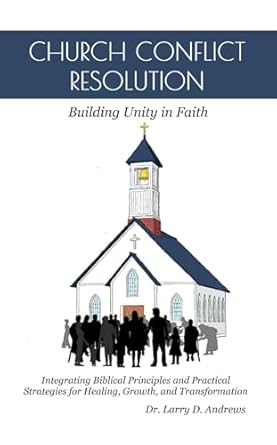
Have you ever walked into a church and felt the air thick with unspoken tensions, where smiles barely conceal the fractures beneath? Unity in faith isn’t just a lofty ideal—it’s a daily practice, a dance of hearts learning to move in sync despite differences. Yet, conflicts simmer in the most sacred spaces, threatening to split congregations into factions of “us” versus “them.” What if there was a way to transform those divisions into bridges of understanding? Enter the power of Church Unity Campaigns—a movement not just to preach harmony but to live it, one conversation, one prayer, one shared meal at a time.
The Silent Schism: Why Churches Fracture in the First Place
Conflict in faith communities isn’t born from malice; it’s often the offspring of good intentions gone awry. Picture this: a church splits over worship styles—traditional hymns versus contemporary choruses—or perhaps over theological nuances that feel like chasms rather than hills. The roots run deeper, though. Pride, unchecked ambition, or the slow creep of complacency can erode trust until even the smallest disagreement feels like a betrayal. And then there’s the elephant in the sanctuary: unresolved grief. When members bury loved ones or face personal crises, old wounds reopen, and suddenly, the pews feel less like a family and more like a battleground of competing narratives.
But here’s the twist: these fractures aren’t failures. They’re invitations. Invitations to ask harder questions. To confront the discomfort of silence. To realize that unity isn’t the absence of conflict but the presence of a shared commitment to work through it. The first step? Naming the elephant. Only then can we tame it.
From Pulpit to Podium: The Art of Preaching Unity
A sermon on unity isn’t a snooze-fest of clichés—it’s a rallying cry. Imagine a pastor who doesn’t just quote Ephesians 4:3 (“eager to maintain the unity of the Spirit”) but dissects it like a surgeon, exposing the raw nerves beneath. What does it mean to be “eager”? Is it the same as being patient? How do we “maintain” something as fragile as unity without smothering it with control? The best sermons on unity don’t offer easy answers. They pose questions that linger like incense in the air, long after the final “amen.”
And let’s talk about the delivery. A unity campaign isn’t a lecture; it’s a performance. The preacher who leans into vulnerability, who admits their own struggles with division, who weaves personal stories into the sermon like threads in a tapestry—those are the voices that resonate. But here’s the challenge: how do you preach unity without sounding like a cheerleader for forced harmony? The answer lies in embracing the mess. Acknowledge the conflict. Sit in the tension. Then, with gentle hands, guide the congregation toward reconciliation—not as a destination, but as a shared journey.
The Fellowship Feast: Breaking Bread to Mend Fences
Food has a way of dissolving grudges. There’s something primal about sharing a meal—it’s an act of trust, a silent pact that says, “I see you, and I’m choosing to sit with you.” Churches have long understood this. Potlucks aren’t just about casseroles and Jell-O salads; they’re microcosms of unity in action. But what if we took it further? What if every church hosted a “Fracture Feast”—a monthly gathering where members are encouraged to bring someone they’ve clashed with, to break bread and, ideally, break the ice?
The catch? No agenda. No forced apologies. Just the unspoken rule that for one evening, differences take a backseat to the shared act of nourishment. The magic happens in the small talk—the awkward silences, the stumbling confessions, the laughter that bubbles up when someone spills gravy on their lap. Over time, those moments of awkward grace build bridges. But here’s the playful challenge: what if the most divided members refuse to sit together? What if the feast becomes a battleground instead of a sanctuary? The answer isn’t to force proximity but to create an environment where proximity becomes inevitable—and, eventually, irresistible.
Conflict as Catalyst: When Disagreement Becomes the Spark
We’ve been sold a lie that conflict is the enemy of unity. But what if conflict is the fuel? Think of a forest fire: it’s destructive, yes, but it also clears the deadwood, allowing new growth to flourish. Churches that shy away from conflict often end up with stagnant pools of polite indifference. The ones that lean in? They discover that disagreement, when handled with care, can be the crucible where deeper unity is forged.
Enter the “Conflict Cafés”—structured dialogues where members are invited to discuss their disagreements in a safe, facilitated space. No shouting matches. No passive-aggressive notes in the bulletin. Just honest, respectful conversation. The key? Framing conflict not as a problem to solve but as a story to understand. Why does this issue matter so deeply to you? What fears or values underlie your stance? When we shift from debate to curiosity, walls start to crumble.
But beware the trap of performative harmony. Unity isn’t about sweeping differences under the rug. It’s about facing them head-on, with the humility to say, “I don’t have to agree with you to love you.” The real test comes when the cameras are off, when the facilitator leaves the room. Will the conversations continue? Will the seeds of understanding take root? Or will old patterns resurface like weeds in a garden?
The Ripple Effect: How Unity Campaigns Transform Communities
A church that heals its internal divisions doesn’t just become a stronger spiritual home—it becomes a beacon for the wider community. Picture a congregation that, after years of strife, suddenly radiates a warmth that draws in outsiders. The single parent who’s been burned by judgmental Christians. The young adult who associates church with hypocrisy. The skeptic who assumes faith is just another form of tribalism. When a church models unity authentically, it becomes a living argument against the world’s cynicism.
But here’s the paradox: the more a church focuses on its own unity, the more it attracts those who need healing. And that’s where the real work begins. Because unity isn’t a badge to wear; it’s a calling to serve. It’s the single mom who, after years of feeling invisible, finally finds a community that celebrates her. It’s the teenager who, after years of feeling like an outsider, discovers a place where their voice matters. The ripple effect of a unity campaign isn’t just internal—it’s generational.
Yet, the challenge remains: how do you sustain that momentum? How do you prevent the initial burst of enthusiasm from fizzling into another forgotten program? The answer lies in ritual. Not the empty rituals of tradition, but the living rituals of connection. A monthly “Unity Sunday” where stories of reconciliation are shared. A prayer chain where members commit to praying for their perceived enemies. A tradition of “passing the peace” that actually means something. Rituals give unity a heartbeat—steady, rhythmic, impossible to ignore.
The Unfinished Symphony: Unity as a Lifelong Composition
Church unity isn’t a project with a completion date. It’s a symphony—a work in progress, with movements that swell and fade, crescendos that take your breath away, and pauses that feel like silence but are actually anticipation. Some days, the music will be discordant. Some seasons, it will feel like the instruments are playing in different keys entirely. But the beauty of a symphony is that it’s never truly finished. It’s always evolving, always growing, always inviting the listener to lean in closer.
So here’s the playful question to leave you with: If your church’s unity campaign were a song, what would its chorus sound like? Would it be a rousing hymn of triumph? A gentle ballad of reconciliation? Or perhaps a jazz improvisation—unpredictable, raw, and alive with the spirit of something greater than the sum of its parts? The answer isn’t up to the pastor or the leadership. It’s up to you. Will you hum along? Will you pick up an instrument? Or will you sit in silence, waiting for someone else to compose the melody of your shared faith?
The choice isn’t between conflict and peace. It’s between letting division define you—or letting reconciliation redefine you. The campaign starts now. The question is: will you answer the call?

