

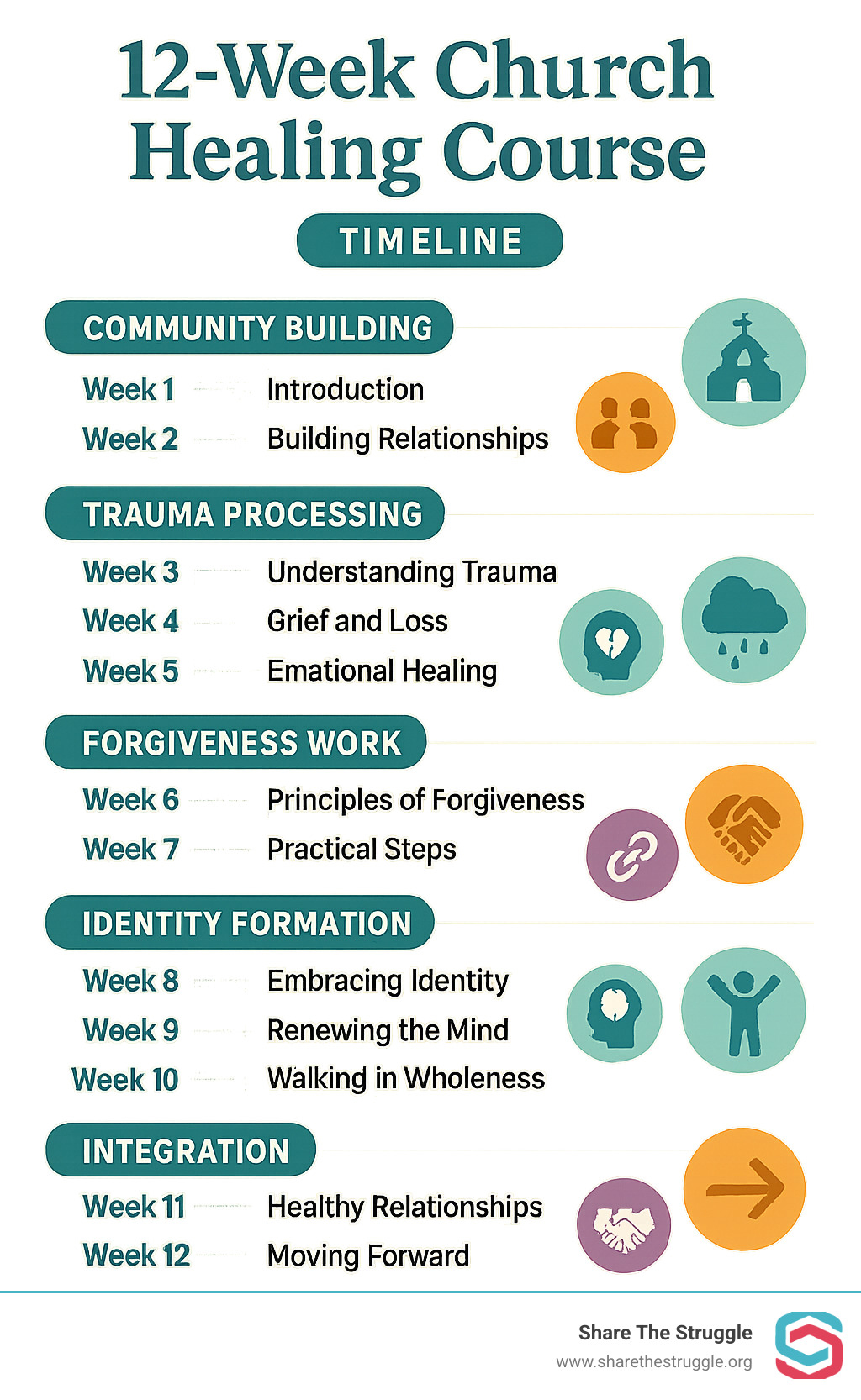
In the quiet corners of pews and the whispered prayers of the faithful, a quiet revolution is stirring—one that seeks not just to mend broken hearts, but to transform shattered lives. Churches across the globe are awakening to a profound truth: healing is not a passive act of waiting, but an intentional journey of restoration. Yet, despite the deep yearning for wholeness, many congregations struggle to translate this desire into action. The gap between longing and transformation often lies not in the absence of faith, but in the absence of a deliberate plan. A church healing campaign is more than a series of sermons or a fleeting program; it is a sacred blueprint for revival, a roadmap for those who dare to step from hurt to hope. This is how you craft one.
The Why Behind the Wound: Understanding the Root of Brokenness
Before healing can begin, the wound must be named. Churches often treat symptoms—loneliness, grief, addiction, relational fractures—without ever plumbing the depths of their origins. The fascination with quick fixes masks a deeper truth: brokenness is rarely singular. It is a tangled web of generational trauma, unprocessed pain, and spiritual disconnection. A man who struggles with anger may be reacting to a father’s absence; a woman battling anxiety might be carrying the weight of a mother’s unspoken grief. The first step in a healing campaign is not to offer solutions, but to ask questions. What silent narratives haunt your congregation? What stories have been buried beneath the weight of Sunday smiles? A church that heals must first listen—truly listen—to the unspoken cries of its people. Only then can it craft a message that resonates with the raw, unfiltered reality of their lives.
From Pulpit to Practice: Designing a Multi-Sensory Healing Experience
Healing is not a cerebral exercise; it is an embodied encounter. A sermon alone will not suffice. The most transformative healing campaigns engage the whole person—mind, body, and spirit. Imagine a worship service where the lyrics of a hymn are interspersed with moments of silence, where the scent of frankincense lingers in the air, where the touch of a hand on a shoulder conveys more than words ever could. Consider small groups where participants are invited to write down their hurts on slips of paper, then burn them in a communal fire pit as a symbol of release. Or a prayer labyrinth where each step inward mirrors the journey from despair to hope. The key is to create an environment where healing is not just heard, but felt. When the senses are engaged, the soul awakens. And when the soul awakens, transformation becomes inevitable.
The Power of Story: Why Testimonies Outshine Sermons
There is a reason why the Bible is filled with stories—stories of broken women, prodigal sons, and doubting disciples. Stories disarm resistance. They bypass the skepticism of a hardened heart and plant seeds of possibility. A healing campaign must prioritize the sharing of testimonies, not as afterthoughts, but as central pillars of the message. Invite those who have walked the path of restoration to speak. Let them describe the night they wept alone in their car, the moment they finally surrendered their pride, the first time they felt the weight of grace lift from their shoulders. These narratives do more than inspire; they create a sacred echo chamber where others recognize their own stories reflected in the lives of their brothers and sisters. When a congregation hears, “I was there too,” the isolation of pain begins to dissolve.
But testimonies must be curated with care. Not every story is ready to be told, and not every teller is ready to speak. A wise leader knows when to hold space for silence and when to invite vulnerability. The goal is not to exploit pain for emotional impact, but to illuminate the path from darkness to light. When done with integrity, testimonies become the heartbeat of the campaign, pulsing with the rhythm of redemption.
Beyond the Campaign: Sustaining the Momentum of Healing
A campaign is not a sprint; it is a marathon with no finish line. The most common pitfall of church healing initiatives is their temporary nature. A series of sermons ends, a special event concludes, and the congregation returns to the familiar rhythm of life—only to find the old wounds still festering. The key to lasting transformation lies in integration. Healing must become woven into the fabric of the church’s identity. This means training lay leaders to facilitate healing groups, creating ongoing prayer partnerships, and normalizing conversations about emotional and spiritual health in everyday interactions. It means challenging the stigma that associates vulnerability with weakness. A church that heals long-term is one where the language of restoration becomes as natural as the language of worship.
Consider the role of mentorship. Pair those who have found healing with those still in the throes of their struggle. Let the healed become healers. This not only accelerates the recovery of the seeker but also reinforces the mentor’s own journey. Healing, when shared, multiplies. It is the paradox of grace: the more you give it away, the more you find it in abundance.
The Unseen Battle: Spiritual Warfare in the Healing Process
To speak of healing without acknowledging the spiritual dimension is to ignore half the battle. The enemy of our souls does not cower in the face of well-intentioned programs. He thrives in the shadows of unresolved pain, whispering lies that distort truth and deepen despair. A church healing campaign must be undergirded by prayer—not as a perfunctory ritual, but as a strategic offensive. This means mobilizing prayer teams to intercede for those in need, anointing spaces with oil as a sign of consecration, and teaching the congregation to wield the authority of Scripture against the forces of darkness. It means recognizing that some battles are not fought in the flesh, but in the realm of the spirit. When a church enters this dimension, healing ceases to be a human endeavor and becomes a divine collaboration.
Measuring What Matters: The Metrics of Soul Restoration
In a culture obsessed with data, churches often default to attendance numbers or financial contributions as indicators of success. But a healing campaign demands a different kind of measurement. How many people slept better after the first week? How many tears were shed in surrender during the prayer time? How many relationships were mended over shared meals? These are the metrics that matter. They are not easily quantified, but they are deeply felt. A church that heals must be willing to redefine success. It must celebrate the quiet victories—the single mother who found peace, the addict who took one day at a time, the skeptic who whispered, “Maybe there is something to this.” These are the stories that outlast campaigns and shape legacies.
The Ripple Effect: How One Church’s Healing Becomes a Movement
The most profound healing campaigns do not end with the last amen. They begin a ripple effect that extends far beyond the church walls. When a congregation experiences transformation, it becomes a beacon for the community. Neighbors notice the change in the single dad who used to shout at his kids but now kneels beside them in prayer. Friends see the difference in the coworker who once drowned her sorrow in wine but now finds solace in Scripture. A healing church does not hoard its restoration; it becomes a conduit for it. It trains its members to carry the message of hope into workplaces, schools, and homes. It partners with local organizations to address systemic issues like poverty and addiction. In this way, the campaign transcends its initial scope, becoming a catalyst for cultural renewal.
The journey from hurt to hope is not a solitary path. It is a shared pilgrimage, a collective awakening. And when a church commits to this journey with intentionality, wisdom, and faith, it does more than heal individuals—it redefines what it means to be the body of Christ in a broken world.

