

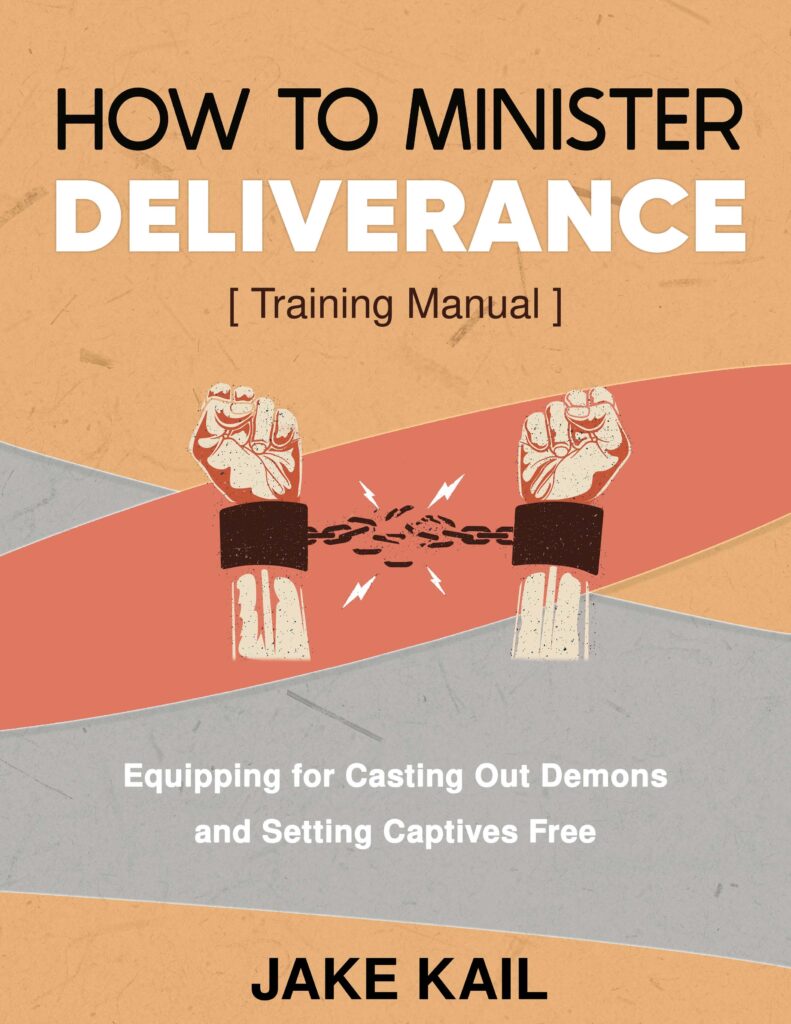
Deliverance ministry is not just a theological concept—it is a powerful, transformative force that can ignite revival in your church. When believers grasp the authority they have in Christ to break chains, cast out darkness, and usher in freedom, the atmosphere shifts. The pulpit becomes a launching pad for supernatural breakthroughs, and the congregation awakens to their role as ambassadors of liberation. Yet, many pastors and leaders hesitate, unsure of how to integrate deliverance into their church culture without veering into extremes. This guide will walk you through the essentials of ministering deliverance effectively, ensuring it aligns with Scripture, wisdom, and the unique heartbeat of your community.
The Biblical Foundation of Deliverance Ministry
Before stepping into the realm of spiritual warfare, it is crucial to anchor your approach in the unshakable truth of God’s Word. Deliverance is not a modern phenomenon—it is woven into the fabric of Scripture from Genesis to Revelation. Jesus Himself was anointed to “proclaim freedom for the captives” (Luke 4:18), and His disciples carried on this mandate, casting out demons in His name (Mark 16:17). The early church thrived in an atmosphere where deliverance was as natural as prayer and worship.
Yet, many churches today relegate deliverance to the fringes, treating it as a last resort rather than a foundational ministry. This disconnect often stems from fear—fear of the unknown, fear of misapplying Scripture, or fear of opening doors to deception. However, the biblical model is clear: deliverance is not optional. It is a vital expression of God’s compassion for the oppressed and His desire to restore His people to wholeness. When you teach on deliverance with boldness and balance, you equip believers to recognize and resist the enemy’s schemes, shifting the spiritual climate of your church from passivity to authority.
Identifying the Signs of Oppression in Your Congregation
Not every struggle is demonic, but not every struggle is purely emotional or circumstantial either. The enemy is a master of deception, disguising his influence as “just life” or “personal issues.” As a leader, your role is to discern the difference—between natural hardship and supernatural oppression. Look for patterns: recurring nightmares, unexplained physical ailments, sudden financial crises, or a persistent sense of dread that defies logic. These may be red flags indicating a spiritual stronghold at work.
Pay attention to testimonies. When someone shares a sudden breakthrough after years of stagnation, it could be the Holy Spirit revealing a hidden chain. Conversely, be wary of sensationalism—some individuals may seek attention by attributing every personal failure to demonic activity. Wisdom is key. Test the spirits (1 John 4:1), and always lead with love, ensuring that those seeking help feel safe, not scrutinized.
Creating a Culture of Deliverance in Your Church
Deliverance ministry thrives in an environment where freedom is celebrated, not stigmatized. Start by preaching on deliverance as part of the gospel—highlighting Jesus’ victory over sin, sickness, and Satan. Use testimonies to normalize the process; when people hear real stories of chains being broken, their faith grows. Train intercessors to pray with authority, and consider hosting regular “Freedom Nights” where believers can gather for corporate deliverance prayer.
Structure matters. Without clear guidelines, deliverance can become chaotic or even harmful. Appoint a team of mature, spiritually grounded leaders to oversee the ministry. They should be trained in discernment, equipped to pray with wisdom, and committed to maintaining confidentiality. When the church sees that deliverance is handled with reverence and order, trust is built, and more people will step forward for help.
The Role of Fasting and Prayer in Breaking Strongholds
Fasting is not a ritual—it is a spiritual weapon that intensifies our connection to God’s power. When combined with prayer, fasting creates an atmosphere where deliverance becomes not just possible, but inevitable. Jesus fasted before confronting the enemy (Matthew 4:1-11), and the early church fasted before major breakthroughs (Acts 13:2-3). In your church, consider calling for corporate fasting periods before revival services or major events. Encourage believers to seek God’s face, asking for revelation on how to pray strategically against specific strongholds in their lives.
Not all fasts are the same. Some may require a full fast from food, while others may involve fasting from media, social media, or negative speech. The key is to replace what is being given up with time in God’s presence. When the church unites in this way, the enemy’s grip weakens, and the Holy Spirit moves with greater force.
Practical Steps for Ministering Deliverance
Deliverance is not a one-size-fits-all process. Some individuals may need simple, direct prayer, while others require deeper inner healing. Begin with a time of worship—invite the Holy Spirit to reveal His presence and expose areas of bondage. Then, lead the person in repentance, renouncing any involvement with occult practices, generational curses, or sinful patterns. Next, break the power of the enemy’s lies by speaking Scripture over their life. Commands like “I renounce fear in the name of Jesus” or “I break every spirit of addiction” carry authority when spoken in faith.
After the deliverance prayer, it is essential to disciple the individual. Freedom is not just about casting out demons—it is about filling the void with truth. Help them renew their mind through Scripture, connect with a small group for support, and walk in obedience to God’s Word. Without this follow-up, the enemy may return with seven worse spirits (Matthew 12:45).
Overcoming Common Challenges in Deliverance Ministry
One of the biggest hurdles is skepticism—both from within the church and from those seeking help. Some believers dismiss deliverance as “too charismatic,” while others demand it without understanding the cost of discipleship. Address this by teaching on the balance between faith and wisdom. Deliverance is not magic; it is partnership with the Holy Spirit. Encourage people to seek God first, not just freedom from symptoms.
Another challenge is emotional overload. Deliverance sessions can bring up deep wounds, leading to unexpected reactions. Always have a team in place to provide support, and never pressure someone to share more than they are ready to. Safety and sensitivity must come before results.
Equipping the Church to Walk in Freedom
The goal of deliverance ministry is not to create a dependency on prayer teams but to empower believers to live in victory daily. Teach them to recognize the enemy’s tactics—whether through fear, lust, or pride—and to respond with the armor of God (Ephesians 6:10-18). Host workshops on spiritual warfare, equipping the saints to pray effectively at home. When the church operates in this mindset, deliverance becomes a lifestyle, not just an event.
Finally, measure success not just by the number of people set free, but by the lasting transformation in their lives. True deliverance leads to fruit—love, joy, peace, patience, kindness, goodness, faithfulness, gentleness, and self-control (Galatians 5:22-23). When these qualities flourish in your congregation, you’ll know the ministry is bearing fruit.

