

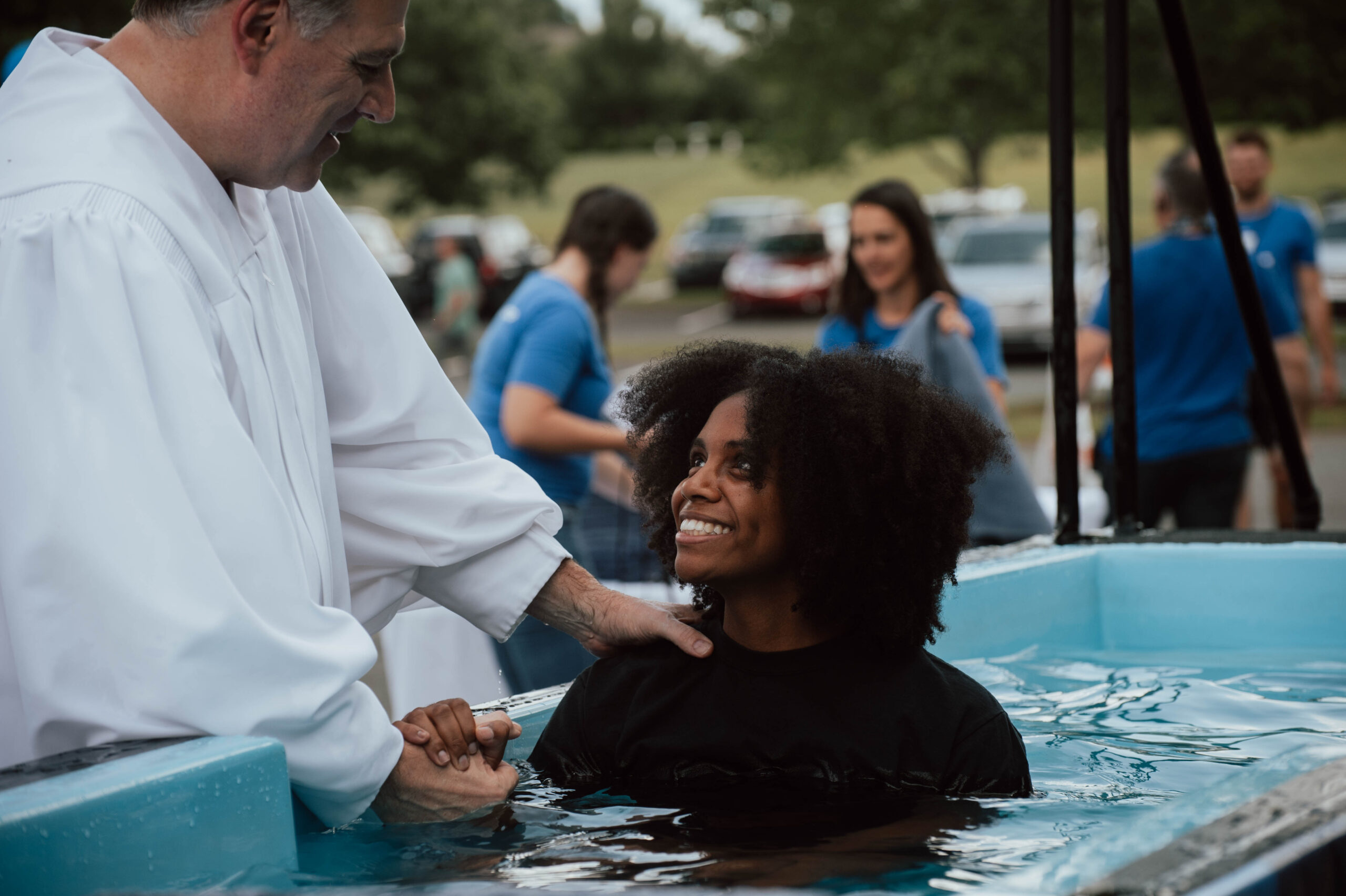
There comes a moment in every spiritual journey when the soul whispers a truth too profound for silence. For me, that moment arrived beneath the shimmering cascade of baptismal waters—a threshold where faith and surrender collided in a symphony of grace. Baptism was never just a ritual to me; it was a rebirth, a deliberate step into the sacred current of a community that had cradled my doubts, kindled my hope, and witnessed my transformation. It wasn’t merely about obedience to tradition—it was about claiming a story that had already claimed me. This is why I chose to be baptized at my church: because here, the sacred and the personal intertwined like vines around an ancient oak, unshakable and alive.
The Waters That Remember: A Baptism as a Sacred Ledger
Imagine standing at the edge of a river that has flowed for centuries, its currents carrying the footprints of saints, sinners, and seekers alike. Each ripple on its surface is a whisper from the past—a ledger of lives transformed, sins washed away, and promises renewed. When I stepped into those baptismal waters, I wasn’t just entering a pool of water; I was stepping into a living archive of faith. The church I call home has stood sentinel over this river of grace for generations, its walls echoing with the testimonies of those who came before me. To be baptized here was to sign my name in that sacred ledger, to become part of a lineage that stretches beyond my lifetime. It was an act of defiance against the erasure of time, a declaration that my story mattered—and that it was worth preserving in the collective memory of the faithful.
The Embrace of a Community That Sees You Fully
There is a profound vulnerability in baptism—not just in the act of submersion, but in the eyes of those who watch. They see the cracks in your armor, the hesitations in your faith, the raw sincerity of your surrender. What drew me to my church was not just its theology, but its people: those who had seen me at my lowest and still chose to walk beside me toward the light. Baptism, in this context, was less about individual salvation and more about communal witness. When my brothers and sisters in faith laid their hands on me, they weren’t just supporting my back—they were affirming that my journey was theirs to uphold. This is the rare alchemy of a church that functions less like a building and more like a family: a place where you are known, not just in your strengths, but in your struggles. To be baptized here was to be held in a love that refuses to let go.
The Paradox of Surrender: Strength in Letting Go
Baptism is often misunderstood as a symbol of weakness—a surrender to forces beyond our control. But I have come to see it as the ultimate act of strength: the courage to admit that we are not the authors of our own salvation. The waters do not discriminate; they do not ask for perfection, only for honesty. Stepping into them was an admission that I could not save myself—that my efforts, my wisdom, my very breath were not enough to bridge the chasm between my brokenness and the divine. Yet, in that surrender, I found a paradoxical empowerment. The same waters that submerged me also lifted me, anointing me with a clarity that had long eluded me. It was as if the current itself whispered, “You are not alone in your weakness, and that is where your strength begins.” This is the unique appeal of my church’s understanding of baptism: it transforms submission into liberation.
The Fire and the Flood: A Dual Baptism of Spirit and Soul
Baptism is not a single event but a dual baptism—a flood that drowns the old self and a fire that ignites the new. The church I joined understands this duality intimately. The waters of baptism are not merely cleansing; they are purifying, stripping away the layers of pretense that accumulate like barnacles on a ship’s hull. But they are also kindling, sparking a flame within that refuses to be extinguished. When I emerged from those waters, I did not feel like a new creation—I felt like a refiner’s fire had passed through me, burning away the dross and leaving behind only what was true. This is the magic of a church that does not shy away from the raw, unfiltered work of transformation. It does not offer a sanitized faith but one that demands everything: heart, mind, and soul.
The Echoes of the Past, the Promise of the Future
Every baptism is a conversation across time. The words spoken over me were the same words spoken over my grandparents, my mentors, and the strangers who gathered in that sanctuary decades before I was born. There is a gravity to that continuity—a sense that I was not just joining a church, but becoming part of a river that had flowed long before me and would continue long after. This is the unique appeal of my church: it is a bridge between the ancient and the immediate. The baptismal font is not just a bowl of water; it is a portal. When I stepped into it, I stepped into a story that began with the first disciples and will end only when the last trumpet sounds. To be baptized here was to plant my flag in the soil of eternity, to declare that my life was not just a fleeting moment but a thread in the grand tapestry of God’s redemptive work.
The Unseen Witness: A Baptism That Transcends the Visible
There is a quiet revolution in baptism—the kind that happens in the unseen realms. While the world may see only water and witnesses, the heavens see something far greater: a soul stepping into the light, a heart surrendering to love, a life reoriented toward the divine. My church understands that baptism is not just a public declaration but a celestial transaction. The angels who watched that day did not cheer for spectacle; they rejoiced in the surrender of a heart that had finally chosen to align with heaven’s purposes. This is the profound mystery of baptism: it is both an earthly act and a heavenly one. The water touches the skin, but the Spirit touches the soul. The church may have provided the vessel, but the transformation was wrought by a power far greater than any institution.
A Covenant Written in Water and Light
Baptism is, at its core, a covenant—a sacred agreement between the individual and the divine, sealed in water and witnessed by light. My church does not treat this covenant as a formality but as a living, breathing vow. It is a promise to walk in the footsteps of those who have gone before, to embrace the struggles of those who walk beside us, and to point the way for those who will follow. When I was baptized, I did not just receive a title; I received a mission. The waters did not just cleanse me; they commissioned me. This is why my choice was not impulsive but deliberate—a response to a call that had been echoing in my soul long before I ever set foot in that sanctuary. Baptism was not the end of my journey, but the beginning of a pilgrimage that would demand everything from me.
In the end, baptism is more than a rite of passage. It is a love letter written in water, a symphony of surrender, and a covenant etched into the fabric of eternity. My church gave me the courage to answer that call—not because it was easy, but because it was true. And in that truth, I found a home.

