

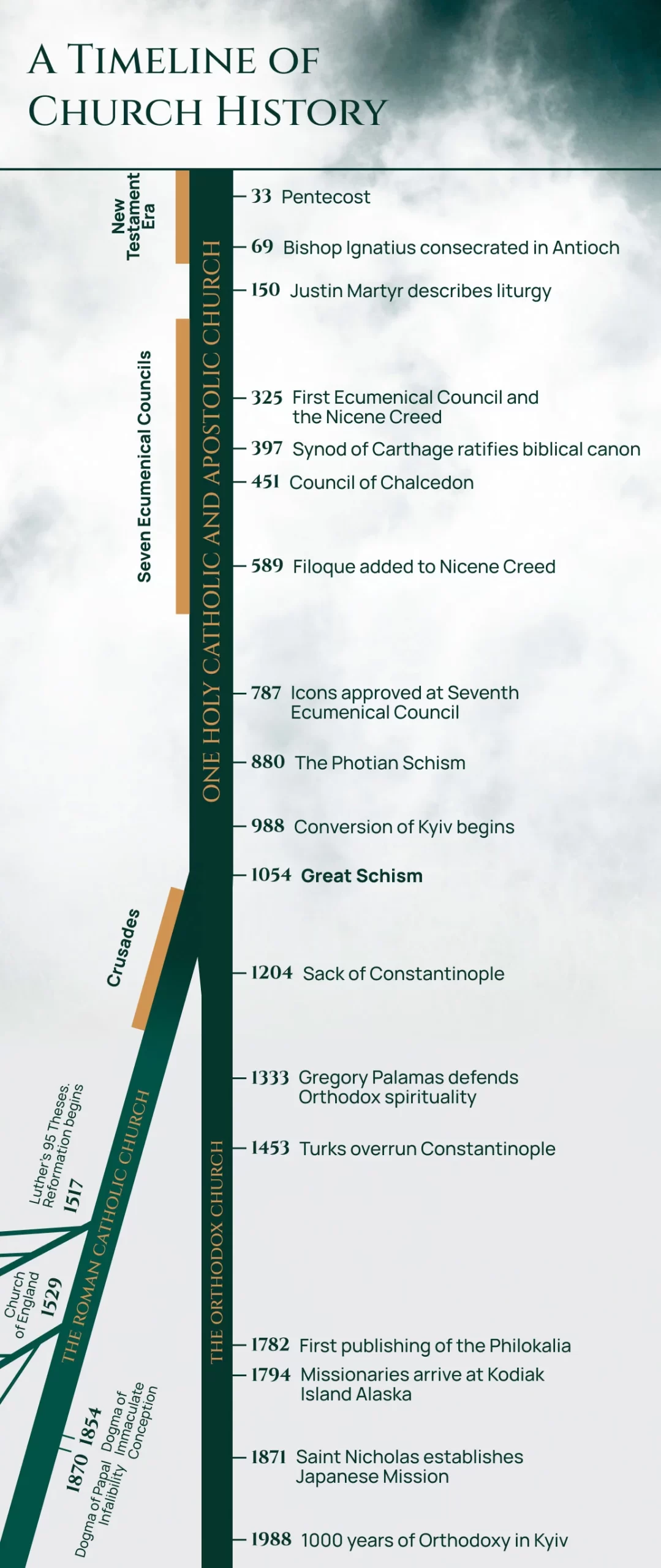
The Church—with its towering cathedrals, solemn rituals, and centuries of whispered prayers—has always been a tapestry woven with both divine threads and human hands. But what if some of the stories we’ve been told about its past are more myth than history? What if the Early Church Fathers, those venerable sages of antiquity, didn’t always see eye to eye on the most fundamental doctrines? Let’s embark on a journey through time, where the sacred and the speculative collide, and where the truth might be far stranger than the legends.
The Myth of a Unified Early Church
Picture this: the first Christians, huddled in secret catacombs, their faith a fragile flame flickering against the might of Rome. It’s a romanticized image, isn’t it? But the reality? Far messier. The Early Church was a fractious family, divided by theological squabbles, cultural clashes, and the occasional heresy that sent bishops into fits of apoplexy. The myth of a monolithic, harmonious early Christianity is just that—a myth. In truth, the first few centuries were a theological battleground where debates over the nature of Christ, the Trinity, and salvation raged like wildfires. Was Jesus divine? Human? Both? Neither? The answers weren’t just academic; they were matters of life and death, with excommunications and persecutions flying faster than confetti at a papal coronation.
Did the Church Invent Its Own History?
Here’s a provocative thought: what if the Church, in its quest to solidify its authority, reshaped history to fit its narrative? The early centuries were a time of oral tradition, where stories were passed down like heirlooms—sometimes embellished, sometimes omitted entirely. The Council of Nicaea in 325 AD, for instance, is often painted as a triumph of orthodoxy over heresy, with Emperor Constantine playing the role of divine puppeteer. But was it really that simple? Some historians argue that the Church’s later historians may have smoothed over the rough edges, painting a picture of unity where there was only discord. The truth? It’s buried under layers of piety, politics, and perhaps a few well-placed miracles.
The Great Heresy Cover-Up
Speaking of heresies, let’s talk about the ones that didn’t make the cut. The early Church had a habit of labeling dissenting voices as “heretics,” consigning their writings to the flames—or, worse, to the dustbin of history. But what if some of these “heresies” were actually early expressions of Christianity that simply didn’t fit the dominant narrative? Gnosticism, for example, offered a radically different view of salvation, one where secret knowledge (gnosis) was the key to enlightenment. The Church, ever the gatekeeper of orthodoxy, dismissed it as a dangerous deviation. But was it really? Or was it just a victim of theological roadkill, trampled by the march of institutional power?
The Constantine Conundrum
Ah, Constantine—the emperor who saw a cross in the sky and decided to legalize Christianity overnight. Or did he? The story of Constantine’s conversion is one of the most enduring myths of Church history, a tale of divine intervention and imperial favor. But scratch beneath the surface, and you’ll find a man far more calculating than pious. Constantine didn’t just convert; he strategized. By embracing Christianity, he unified an empire fractured by civil war, co-opting a growing religious movement to serve his political ends. The Church, in turn, repaid him by rewriting history to cast him as a saintly visionary. The irony? The same emperor who called the Council of Nicaea also executed his own son and wife. Was he a convert or a cynic? The answer might just shatter the myth of the pious emperor.
The Dark Side of Church History
Let’s not mince words: the Church’s history is stained with blood. From the Crusades to the Inquisition, from the burning of witches to the suppression of indigenous religions, the institution that preaches love and forgiveness has often wielded power with a brutality that would make Attila the Hun blush. The myth of the Church as a beacon of morality is a convenient fiction, one that ignores centuries of violence, oppression, and intolerance. But here’s the challenge: if we acknowledge these dark chapters, do we risk undermining the faith of millions? Or is the truth the only path to redemption?
The Relics and the Relicts
What’s a Church without its relics? The bones of saints, the fragments of the True Cross, the veil of Veronica—these are the sacred artifacts that have fueled pilgrimages, inspired art, and lined the coffers of the Church for centuries. But how much of this is fact, and how much is fiction? The trade in holy relics was, at times, less about devotion and more about profit. Forgeries abounded, and the line between piety and profiteering was as thin as the parchment on which saints’ lives were written. Even today, the authenticity of many relics is hotly debated. So, are these objects vessels of divine grace, or are they just the Church’s way of keeping the faithful coming back for more?
The Future of Church Myths
As we stand on the precipice of a new era, one defined by secularism, skepticism, and the relentless march of science, the myths of the Church face an existential challenge. Can faith survive in a world where every miracle can be explained, every prophecy dissected, and every saint’s life reduced to a psychological case study? The Church’s response? A doubling down on tradition, a reassertion of dogma, and a refusal to engage with the uncomfortable questions. But here’s the rub: the more the Church clings to its myths, the more it risks becoming a relic itself—a beautiful, anachronistic artifact of a bygone age.

