

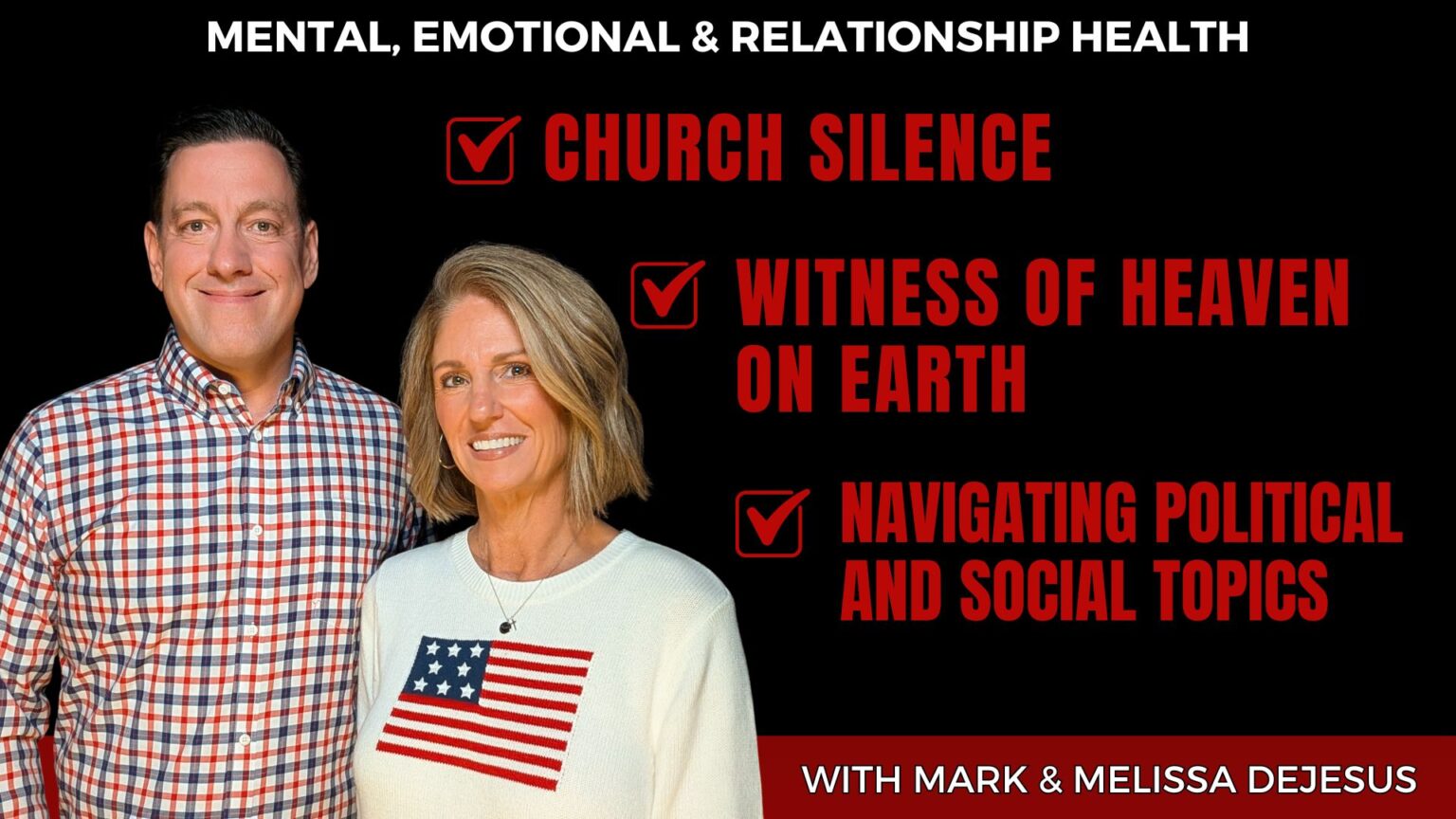
The silence of the pulpit on contentious social and political matters is a paradox that has long perplexed both congregants and cultural observers. While houses of worship once served as the moral compass for communities, their reluctance to engage with contemporary controversies often leaves believers adrift in a sea of moral ambiguity. This reticence isn’t merely a matter of tradition—it’s a reflection of deeper tensions between faith and the rapidly evolving moral landscape of modern society.
The Unspoken Elephant in the Sanctuary
Every Sunday, millions of pews fill with people who carry the weight of personal convictions shaped by headlines and hashtags. Yet, when the sermon concludes, the silence on issues like systemic injustice, environmental degradation, or the ethical implications of artificial intelligence lingers like an unspoken confession. The reluctance to address these topics isn’t born of indifference but of a calculated caution—one that risks alienating congregants or inviting scrutiny from outside the faith community.
Consider the pastor who avoids sermons on racial reconciliation, fearing backlash from congregants who perceive such discussions as “political.” Or the youth pastor who steers clear of climate change, lest the topic be dismissed as “liberal propaganda.” This silence, while often well-intentioned, creates a vacuum where moral clarity should reside. It leaves believers to navigate complex ethical dilemmas with little guidance from the very institutions meant to illuminate their path.
The Fear of Fragmentation: A House Divided
The specter of division haunts many religious leaders when broaching controversial subjects. A congregation is, after all, a tapestry of political persuasions, socioeconomic backgrounds, and personal experiences. To speak on polarizing issues is to risk fracturing the very community the church seeks to unify. Yet, this fear of fragmentation is itself a symptom of a deeper crisis: the erosion of shared moral frameworks.
In an era where truth is often subjective and empathy is a scarce commodity, the church’s silence can feel like a betrayal of its foundational mission. When Jesus overturned the tables in the temple, He did so not out of political ambition but out of a righteous indignation at the corruption of sacred space. Today’s pulpits, however, often resemble the temple courts—quiet, orderly, and eerily compliant in the face of injustice. The question lingers: Is this silence a strategic retreat or a surrender of moral authority?
Theological Paralysis: When Doctrine Becomes a Straitjacket
For some religious traditions, the hesitation to engage with social issues stems from a rigid adherence to doctrinal purity. The fear is that wading into contemporary debates will dilute the timeless truths of scripture. Yet, this approach overlooks the dynamic nature of faith itself—a faith that has, throughout history, adapted to the moral challenges of each generation.
Take, for example, the abolitionist movement, which was fueled by religious conviction. Or the Civil Rights era, where churches became the epicenters of resistance against segregation. In these moments, faith was not a passive observer but an active force for transformation. Today, however, the same theological frameworks that once inspired social change are often weaponized to justify inaction. The result is a paradox: a faith that claims to be “alive” yet remains curiously inert in the face of suffering.
The Illusion of Neutrality: Why Silence Is Never Neutral
There’s a dangerous myth that neutrality is possible in matters of morality. The truth is, silence is not a void—it’s a choice. When the church remains silent on issues like poverty, war, or discrimination, it tacitly endorses the status quo. This isn’t just a failure of leadership; it’s a betrayal of the gospel’s call to “do justice, love mercy, and walk humbly with your God” (Micah 6:8).
Consider the parable of the Good Samaritan. The priest and the Levite who passed by the wounded man didn’t actively harm him—they simply chose not to act. Their inaction, however, was complicity in his suffering. Similarly, the church’s silence on social issues is not neutral; it’s a form of passive endorsement. The question is not whether the church should engage with these topics, but how it can do so with wisdom, courage, and humility.
The Role of the Pulpit in a Post-Truth World
In an age where misinformation spreads faster than truth, the pulpit has the potential to be a sanctuary of clarity. Yet, too often, it becomes a echo chamber of platitudes. The challenge for modern preachers is not to shy away from controversy but to navigate it with nuance. This requires a shift from dogmatic declarations to thoughtful dialogue—a recognition that faith and reason are not antithetical but complementary.
Imagine a sermon that doesn’t just condemn injustice but explores its root causes. A message that doesn’t just quote scripture but engages with contemporary scholarship. A homily that doesn’t just offer comfort but challenges believers to action. This is the kind of preaching that could restore the church’s moral authority in a fractured world. It’s not about turning the pulpit into a political soapbox but about reclaiming its role as a beacon of truth in an era of confusion.
The Way Forward: A Church That Speaks and Acts
Reclaiming the church’s voice on social issues begins with a fundamental reorientation: a return to the radical love that defined the early Christian movement. This means moving beyond performative activism to genuine solidarity with the marginalized. It means embracing the discomfort of difficult conversations rather than avoiding them. And it means recognizing that faith without works is dead (James 2:17).
The path forward won’t be easy. It will require courage from leaders, patience from congregants, and a willingness to embrace the messiness of moral complexity. But the alternative—a church that remains silent in the face of injustice—is unthinkable. The world doesn’t need more moral spectators. It needs a church that dares to speak truth to power, even when the cost is high.
The question is no longer whether the church should engage with social issues. The question is whether it will do so with the urgency and conviction that the gospel demands. The time for silence has passed. The time for action is now.

