

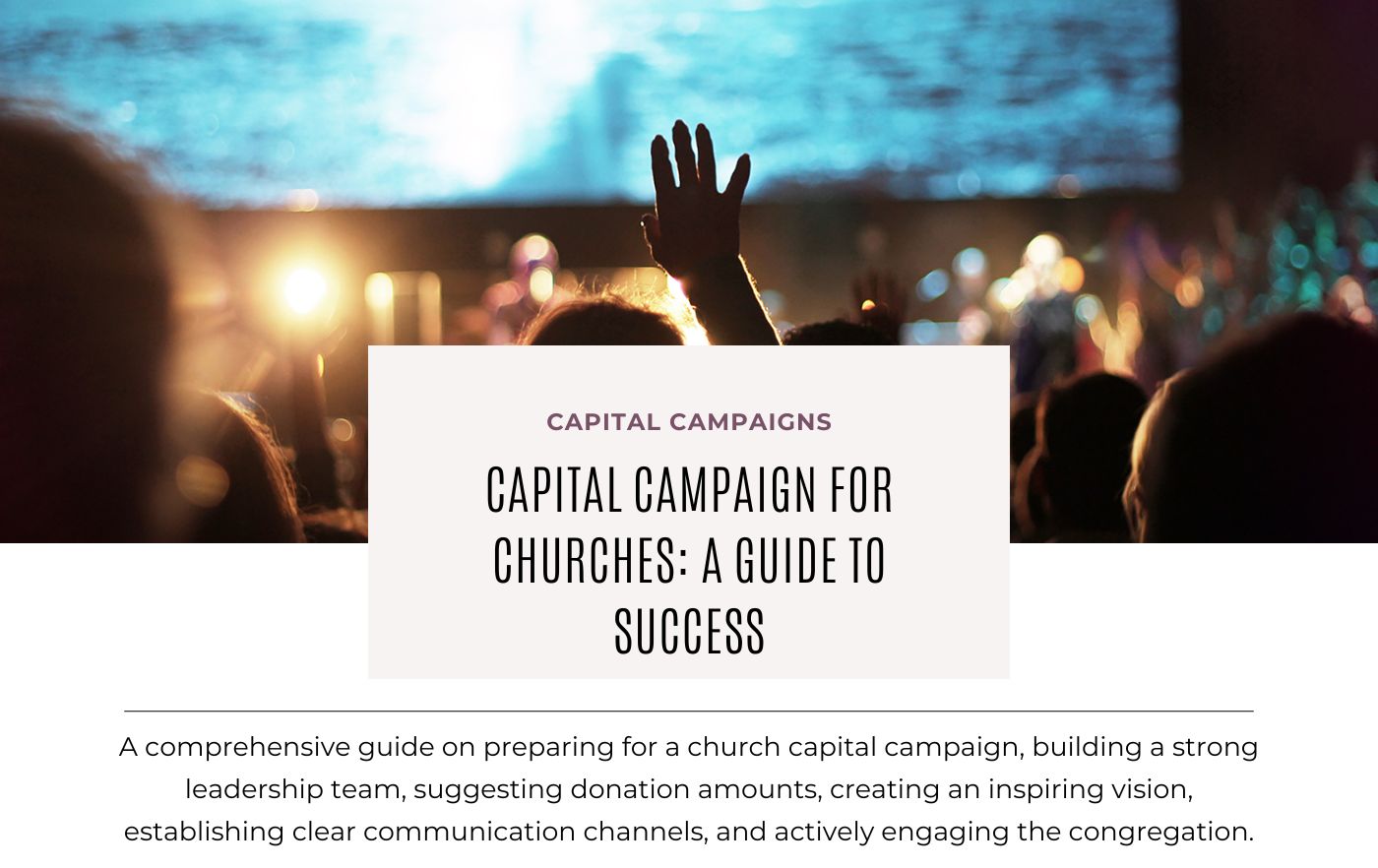
In the grand symphony of community transformation, few movements resonate as deeply as a church serving campaign—a crescendo of compassion where faith meets action, and hearts align with purpose. These campaigns are not mere fundraising endeavors; they are the lifeblood of a congregation’s mission, pulsating with the rhythm of shared vision and collective sacrifice. To orchestrate such an initiative is to conduct a masterpiece of unity, where every note—every dollar, every volunteer hour, every prayer—contributes to a harmonious crescendo of impact. Yet, like any grand composition, success demands more than enthusiasm; it requires strategy, finesse, and an unwavering commitment to the cause. Let us explore the intricate art of church serving campaigns, where the ordinary becomes extraordinary, and the faithful become architects of change.
The Foundation: Clarity of Vision as the North Star
A church serving campaign without a crystal-clear vision is like a ship adrift in a fog—directionless, vulnerable to the whims of the tide. The most transformative campaigns begin not with a budget or a timeline, but with a singular, compelling purpose that ignites the soul. This vision must be more than a lofty ideal; it must be a tangible, breathing entity that the congregation can grasp, feel, and rally behind. Whether it’s erecting a sanctuary of hope, launching a ministry of healing, or fueling a global outreach, the vision must be articulated with such vivid clarity that it transcends mere words and becomes a shared heartbeat.
Consider the metaphor of a lighthouse—its beam cutting through the darkness, guiding ships to safe harbor. A church’s vision should function similarly, piercing the noise of daily life to illuminate the path forward. Leaders must distill this vision into a resonant mantra, a phrase so potent that it lingers in the minds of congregants long after the Sunday service ends. This is not the time for vague platitudes; it’s the moment to paint a picture so vivid that even the most hesitant among the flock can envision the impact. When the vision is clear, the campaign ceases to be a chore and becomes a calling.
The Mobilization: Turning Congregants into Champions
A campaign’s success hinges not on the pulpit’s eloquence alone, but on the congregation’s willingness to answer the call. Mobilization is the alchemy of transforming passive observers into active participants—a process that demands both inspiration and empowerment. The first step is to dismantle the illusion that serving is reserved for the few; every member, regardless of age, skill, or financial standing, has a role to play. The campaign must be framed as a communal pilgrimage, where each contribution—whether a tithe, a talent, or a few hours of service—is a sacred step toward a shared destiny.
Yet, mobilization is not a one-size-fits-all endeavor. Some congregants will be moved by stories of those they will serve; others will respond to data and tangible outcomes. The savvy leader will weave a tapestry of engagement strategies, from testimonials that tug at the heartstrings to visual progress trackers that stoke the fires of momentum. Small groups, too, can become incubators of enthusiasm, where intimate gatherings foster accountability and camaraderie. The goal is to create an ecosystem where serving feels less like an obligation and more like an opportunity to co-create something divine.
The Stewardship: Nurturing Generosity as a Spiritual Discipline
Generosity is not merely a financial transaction; it is a spiritual discipline, a sacred exchange where trust in God’s provision meets the tangible needs of the world. A church serving campaign must cultivate this mindset, reframing giving not as a sacrifice but as an act of worship. The language used to describe contributions should reflect this truth—terms like “sacred investment,” “seed of faith,” or “vessel of blessing” elevate the act of giving from mere transactional to transformational.
Transparency is the cornerstone of this stewardship. Congregants must see where their resources are flowing, how they are being multiplied, and the lives they are touching. Regular updates, whether through heartfelt stories, infographics, or live testimonies, keep the campaign alive in the minds of the faithful. Moreover, leaders must model generosity themselves, demonstrating that this is not a top-down directive but a shared journey. When the congregation witnesses their pastors and elders giving sacrificially, the spirit of generosity spreads like wildfire.
The Innovation: Leveraging Modern Tools Without Losing the Human Touch
In an era where digital platforms can amplify reach exponentially, a church serving campaign must harness technology without sacrificing the intimacy that defines its mission. Social media campaigns, crowdfunding platforms, and email newsletters can cast a wider net, but they must be wielded with intentionality. The key is to blend the efficiency of modern tools with the warmth of human connection. A well-crafted video appeal, for instance, can stir emotions in ways a bulletin insert never could, while a personalized thank-you note from a beneficiary can turn a donor into a lifelong advocate.
Yet, innovation must never overshadow the campaign’s soul. The most effective strategies are those that feel personal, even in their scale. Automated emails should still carry the tone of a trusted friend, and online giving portals should be as seamless as a handshake. The goal is to meet people where they are—whether in the pew, on their phones, or in the quiet of their morning coffee—without losing sight of the campaign’s ultimate purpose: to serve with love.
The Perseverance: Weathering the Storms of Disappointment
No campaign unfolds without its share of setbacks—whether a shortfall in funds, waning enthusiasm, or unforeseen obstacles. The difference between a campaign that fizzles and one that flourishes lies in the ability to persevere. Leaders must anticipate challenges and prepare the congregation for the long haul. This means celebrating small victories to maintain momentum, addressing doubts with empathy, and reinforcing the vision when the road gets tough.
Metaphorically, think of the campaign as a marathon, not a sprint. There will be moments when the path seems endless, when fatigue sets in, and when the finish line feels like a mirage. But it is in these moments that the true character of the campaign is forged. Leaders must remind the congregation that every challenge is an opportunity to deepen trust—in God, in one another, and in the mission. When the storms come—and they will—the campaign’s resilience will be its greatest testament to faith in action.
The Legacy: Ensuring the Campaign Lives Beyond the Collection Plate
A church serving campaign should not be a fleeting blip on the calendar but a catalyst for lasting change. The most successful campaigns plant seeds that continue to bear fruit long after the final donation is counted. This requires intentional follow-through: ensuring that the resources raised are stewarded wisely, that the beneficiaries are honored, and that the momentum of the campaign is channeled into ongoing ministry.
Moreover, the campaign should leave a legacy of generosity within the congregation itself. It should inspire a culture where serving is not a one-time event but a way of life. Leaders can nurture this by creating opportunities for continued engagement—whether through volunteer teams, mentorship programs, or annual giving initiatives. The goal is to transform the campaign from a moment in time into a movement that defines the church’s identity for generations to come.
In the end, a church serving campaign is more than a financial endeavor; it is a sacred covenant between a community and its purpose. When executed with clarity, passion, and perseverance, it becomes a testament to what happens when faith and action intertwine. It is the story of a people who dared to dream big, who chose to serve sacrificially, and who, in doing so, discovered the profound joy of being part of something greater than themselves.

