

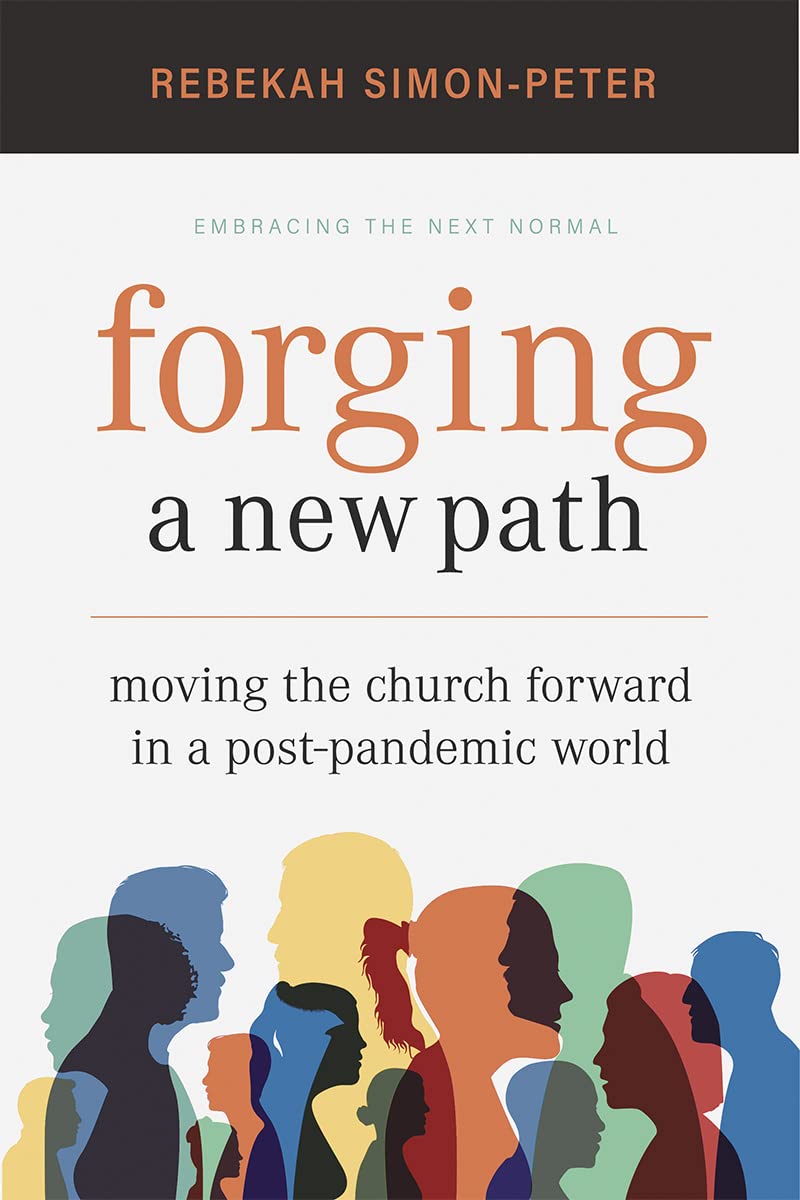
What if the pandemic wasn’t just a storm to weather, but a mirror held up to the Church—revealing cracks in its foundation while also illuminating pathways to renewal? The global upheaval forced congregations to rethink everything: from Sunday services to small-group gatherings, from pastoral care to digital outreach. Now, as the world cautiously reopens, the Church stands at a crossroads. Will it cling to the familiar, or dare to forge a new path? The answer lies not in nostalgia, but in bold, imaginative solutions that honor tradition while embracing the future.
The Digital Divide: Bridging the Gap Between Screens and Souls
The pandemic didn’t just accelerate digital transformation—it exposed a chasm between those who thrived online and those left behind. For many churches, livestreamed services became a lifeline, but for others, the shift felt like a betrayal of sacred ritual. The challenge? How do we cultivate genuine connection in a pixelated world? The solution isn’t to abandon technology, but to wield it with intention. Imagine a hybrid worship experience where the warmth of a handshake meets the intimacy of a Zoom call. Churches can leverage augmented reality to create virtual prayer circles, or use AI to personalize sermon recommendations based on congregants’ spiritual journeys. The goal isn’t to replace flesh-and-blood fellowship, but to extend its reach.
Reimagining Community: From Congregation to Collective
Pews once groaned under the weight of Sunday mornings, but the pandemic emptied them overnight. Now, as pews fill again, the question lingers: What does community look like in a post-pandemic world? The answer may lie in decentralization. Instead of relying solely on a single, monolithic gathering, churches can nurture micro-communities—small groups that meet in homes, parks, or even coffee shops. These intimate circles foster deeper bonds than a crowded sanctuary ever could. But here’s the twist: these groups shouldn’t be siloed. Imagine a network of micro-communities that occasionally converge for grand, celebratory events, blending the best of both worlds. The Church’s future isn’t in scaling up, but in scaling *out*.
The Pastor’s Paradox: Leading with Vulnerability in an Age of Burnout
Pastors weren’t just shepherds during the pandemic—they became therapists, IT support, and crisis managers all at once. The toll was immense. Now, as the dust settles, many clergy are grappling with burnout, disillusionment, or even existential doubt. The solution? A radical redefinition of leadership. Pastors must shed the armor of invincibility and embrace vulnerability. This means admitting when they’re struggling, delegating more, and prioritizing their own spiritual well-being. But it also means rethinking the role itself. What if pastors weren’t just preachers, but *curators*—designing spiritual experiences that meet people where they are? A sermon isn’t just a lecture; it’s a conversation. A prayer isn’t just a ritual; it’s a dialogue. The Church needs leaders who are less like CEOs and more like gardeners—nurturing growth without demanding control.
Stewardship in a Sharing Economy: Rethinking Resources and Generosity
The pandemic rewired our relationship with money. Stimulus checks, side hustles, and financial instability forced many to rethink generosity. For churches, this was a wake-up call. Tithing isn’t just about keeping the lights on—it’s about participating in a sacred economy where resources flow freely. The solution? A shift from transactional giving to transformational generosity. Churches can experiment with crowdfunding for mission projects, or create “generosity circles” where members pool resources to support local causes. But the real innovation lies in redefining what we give. Time, skills, and creativity are just as valuable as dollars. Imagine a church where the most generous act isn’t writing a check, but mentoring a neighbor or volunteering in the community. The Church’s future isn’t in hoarding resources, but in redistributing them.
Faith in the Fray: Addressing Mental Health with Sacred Courage
The pandemic didn’t just isolate bodies—it fractured minds. Anxiety, depression, and loneliness surged, yet many churches struggled to respond. The challenge? How do we talk about mental health without reducing it to a sermon topic or a prayer request? The solution lies in integrating mental wellness into the very fabric of church life. This means training leaders in pastoral counseling, creating safe spaces for vulnerable conversations, and normalizing the language of healing. But it also means confronting the stigma head-on. What if churches became known not just for their hymns, but for their healing? A congregation that embraces mental health isn’t weak—it’s courageous. It’s a place where broken people can find wholeness, not despite their struggles, but because of them.
The Unfinished Symphony: Embracing the Church’s Evolutionary Potential
The pandemic didn’t just disrupt the Church—it revealed its resilience. But resilience alone isn’t enough. The Church’s future hinges on its willingness to evolve. This doesn’t mean abandoning tradition, but interrogating it. What rituals still breathe life? What structures have outlived their purpose? The most vibrant churches won’t be those that cling to the past, but those that dance on the edge of the unknown. Imagine a Church that experiments fearlessly—launching pop-up worship services in unexpected places, or partnering with artists to reimagine sacred art. The future isn’t a destination; it’s a symphony still being composed. And every note, every pause, every crescendo is an invitation to participate.

