

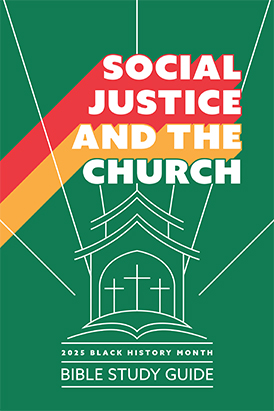
In an era where headlines scream of systemic inequities and societal fractures, the church stands not merely as a spectator but as a potential architect of transformation. The fusion of faith and social justice is not a modern contrivance—it is a resurgence of an ancient calling, one that demands more than passive belief but active, incarnational love. Blogs dedicated to this intersection are not just digital diaries; they are the vanguard of a movement, where theology meets the streets and doctrine dances with activism. They challenge us to ask: What does it mean to be a follower of Christ in a world that groans under the weight of injustice? How can the pulpit echo into the public square with the same fervor as the hymns on Sunday morning?
Theological Foundations: Justice as Divine Imperative
At the heart of the Christian faith lies a radical claim: God is just. The scriptures do not merely describe divine justice as an abstract attribute; they depict it as a pulsating force that reshapes history. From the Exodus to the prophets’ denunciations of hollow ritualism, justice is not an optional addendum to faith but its very essence. Blogs that explore this foundation often unearth forgotten voices—Augustine’s cries for mercy, Luther’s thunderous “Here I stand,” or the quiet defiance of Dietrich Bonhoeffer, who saw the church’s complicity in silence. These narratives remind us that justice is not a political slogan but a theological necessity, a reflection of the God who “executes justice for the fatherless and the widow, and loves the sojourner” (Deuteronomy 10:18).
The Church’s Dual Role: Sanctuary and Sling
For too long, the church has been caricatured as either a fortress of irrelevance or a megaphone of partisan rage. The truth is far more nuanced. The church is both sanctuary and sling—where the broken find solace and where the oppressed are equipped for battle. Blogs that navigate this duality often highlight the work of figures like William Wilberforce, whose faith fueled his abolitionist crusade, or the Black church’s unyielding fight for civil rights. Yet, they also expose the church’s failures: its historic silence on slavery, its complicity in colonialism, its present-day divisions over issues like immigration and racial reconciliation. The fascination with this tension reveals a deeper longing—for a faith that is both holy and engaged, a community that is both set apart and deeply embedded in the world’s pain.
Consider the paradox of the Eucharist: bread broken and wine poured out, symbols of sacrifice that demand participation in the suffering of others. Blogs that wrestle with this paradox invite readers to see the Lord’s Supper not as a weekly ritual but as a call to solidarity. They ask: If Christ’s body was broken for the world, how can the church’s body remain unbroken by the world’s wounds?
The Digital Age: Blogs as Catalysts for Conscience
The rise of social media and independent publishing has democratized advocacy, turning blogs into modern-day pulpits. No longer confined to denominational magazines or seminary journals, voices advocating for social justice now reach millions with a single click. These platforms are not mere soapboxes; they are laboratories of theological imagination, where pastors, activists, and laypeople alike grapple with questions like: How do we preach the gospel without reducing it to mere social work? How do we confront systemic evil without losing sight of individual redemption?
Some blogs adopt a prophetic tone, unflinching in their denunciation of injustice. Others take a pastoral approach, offering practical steps for congregations to engage in advocacy. A few blend both, weaving personal stories with theological reflection, such as a pastor’s account of leading a congregation to protest police brutality or a youth leader’s guide to discussing poverty with teenagers. The diversity of these voices reflects the multifaceted nature of justice itself—a tapestry of voices, each thread pulling the church toward a fuller understanding of its calling.
Case Studies: Blogs That Moved Mountains
History is replete with examples of how ideas—when wielded with conviction—can topple empires. Blogs today are writing the next chapter of that story. Take, for instance, the blog of a small-town pastor who chronicled his congregation’s journey to address food deserts in their community. What began as a series of sermons evolved into a community garden, a food co-op, and a partnership with local farmers. Or consider the blog of a young theologian who dissected the biblical concept of shalom, arguing that true peace cannot exist without economic equity. Her posts sparked a denomination-wide initiative to rethink stewardship and generosity.
These case studies reveal a common thread: transformation begins with a single voice willing to ask uncomfortable questions. It thrives when a community dares to imagine that its faith could be the catalyst for change. The fascination with these stories lies not in their outcomes but in their audacity—the audacity to believe that the gospel is not just about personal salvation but about the redemption of all things.
The Perils of Performative Activism
Yet, for every blog that sparks genuine change, there are ten that fall into the trap of performative activism. The line between advocacy and virtue-signaling is thin, and too many churches have traded the costly call of discipleship for the fleeting applause of hashtags. Blogs that address this pitfall often dissect the difference between allyship and appropriation, between solidarity and saviorism. They warn against the commodification of justice, where social media posts replace soup kitchens and solidarity marches replace sustained relationships.
The deeper fascination here is with authenticity. Readers are drawn to blogs that acknowledge the messiness of the journey—the guilt of privilege, the frustration of slow progress, the temptation to retreat into comfort. These blogs do not offer easy answers but invite readers into a process of honest reflection. They remind us that justice is not a project to be completed but a posture to be maintained—a daily dying to self and rising for others.
Looking Ahead: The Future of Faith-Fueled Advocacy
The landscape of social justice advocacy within the church is evolving. Emerging voices are challenging traditional hierarchies, demanding that the conversation include not just the Global North but the Global South, not just the privileged but the marginalized. Blogs are becoming platforms for these voices, amplifying stories of women in ministry, LGBTQ+ Christians, and indigenous leaders who have long been sidelined in theological discourse.
Moreover, the intersection of technology and activism is creating new avenues for change. Virtual prayer vigils, online petitions, and digital storytelling are reshaping how the church engages with justice. Yet, with these opportunities come new challenges: the erosion of deep community, the superficiality of online engagement, the risk of activism becoming a trend rather than a lifelong commitment.
The future of faith-fueled advocacy will depend on the church’s willingness to embrace discomfort. It will require a return to the margins, where the gospel is not a tool of cultural power but a beacon for the broken. Blogs will play a pivotal role in this journey, serving as both mirrors and windows—reflecting the church’s failures while offering glimpses of what it could become.
The call to justice is not a call to perfection but to participation. It is an invitation to see the world through the lens of the cross, where suffering and redemption are inextricably linked. As blogs continue to explore this intersection, they do more than inform—they inspire a generation to believe that faith, when lived out, can indeed change the world. One post, one sermon, one act of defiant love at a time.

