

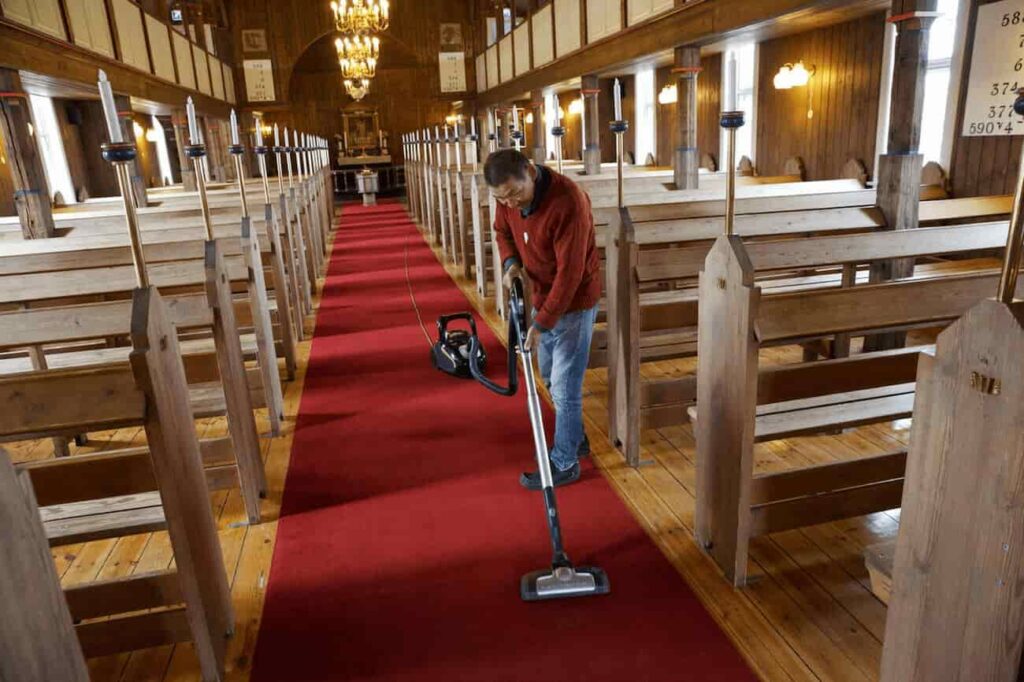
Every church facility is a living sanctuary, a breathing vessel that cradles the faith of a congregation and the memories of countless souls. To honor that sacred trust, stewardship of the building must be both meticulous and heartfelt. Below is an extensive guide that weaves together practical maintenance, spiritual cadence, and community spirit, ensuring that the walls of your sanctuary continue to echo with reverence and vitality.
Sanctuary Hygiene: The Art of Sacred Cleansing
In the quiet moments before sunrise, the janitorial crew becomes a chorus of quiet reverence, sweeping away the residue of everyday life. High‑touch surfaces—door handles, pew rails, and altar ledges—are tended to with a gentle, yet thorough, disposition. Use pH‑neutral, biodegradable detergents that honor the environment and the delicate finishes of historic woodwork. A routine that blends daily spot‑cleaning with weekly deep‑cleansing creates a liturgical rhythm, allowing the sanctuary to remain a pristine tableau for worship.
Architectural Integrity: Preserving the Shell
The bones of a church—its roof, gutters, masonry, and foundation—are the silent guardians of every prayer spoken within. Seasonal inspections act like a physician’s stethoscope, detecting leaks, mortar erosion, or structural fatigue before they become catastrophic. Repointing brickwork, clearing downspouts, and sealing windows preserve the envelope, preventing moisture from seeping into sacred stone. By treating the building as a living organism that sheds old skin and regenerates new, you ensure its durability for generations to come.
Liturgical Flow: Scheduling Space for Sacred Routines
Every service, rehearsal, and fellowship hour carves a unique temporal pattern onto the facility’s calendar. Align cleaning and maintenance tasks to the liturgical calendar: after a high‑attendance Easter celebration, schedule a thorough carpet extraction; after a contemplative vespers, allow time for polishing brass fixtures. Coordination with clergy and volunteers creates a seamless flow, where the physical space supports the spiritual journey rather than hindering it.
Environmental Stewardship: Energy, Water, and Green Practices
A church that breathes sustainably reflects the care its congregation holds for God’s creation. Upgrading incandescent bulbs to LED luminaires reduces energy consumption by up to 70%, while programmable thermostats adjust heating and cooling to the occupancy schedule. Rainwater harvesting systems can irrigate surrounding gardens, and low‑flow faucets minimize water waste. Embracing green cleaning agents not only protects indoor air quality but also demonstrates a prophetic call to preserve the planet.
Safety and Security: Guarding the Sanctuary
The safety of the faithful is an unspoken covenant between the building and its people. Install fire‑rated doors, test alarm panels quarterly, and ensure emergency lighting guides worshippers toward exits without panic. Contemporary access control—key‑card entry or biometric scanners—protects valuable liturgical artifacts while permitting authorized entry. Conduct regular drills, so that each member knows the protocol, transforming security from a static guard into a living, responsive network.
Community Involvement: Mobilizing Parish Volunteers
A church’s heart lies not in its stones but in the hands that tend them. Form a “Stewardship Corps” that meets monthly, inviting volunteers of all ages to participate in light maintenance, seasonal clean‑ups, and educational workshops on historic preservation. Rotate responsibilities to prevent burnout, celebrate milestones

