

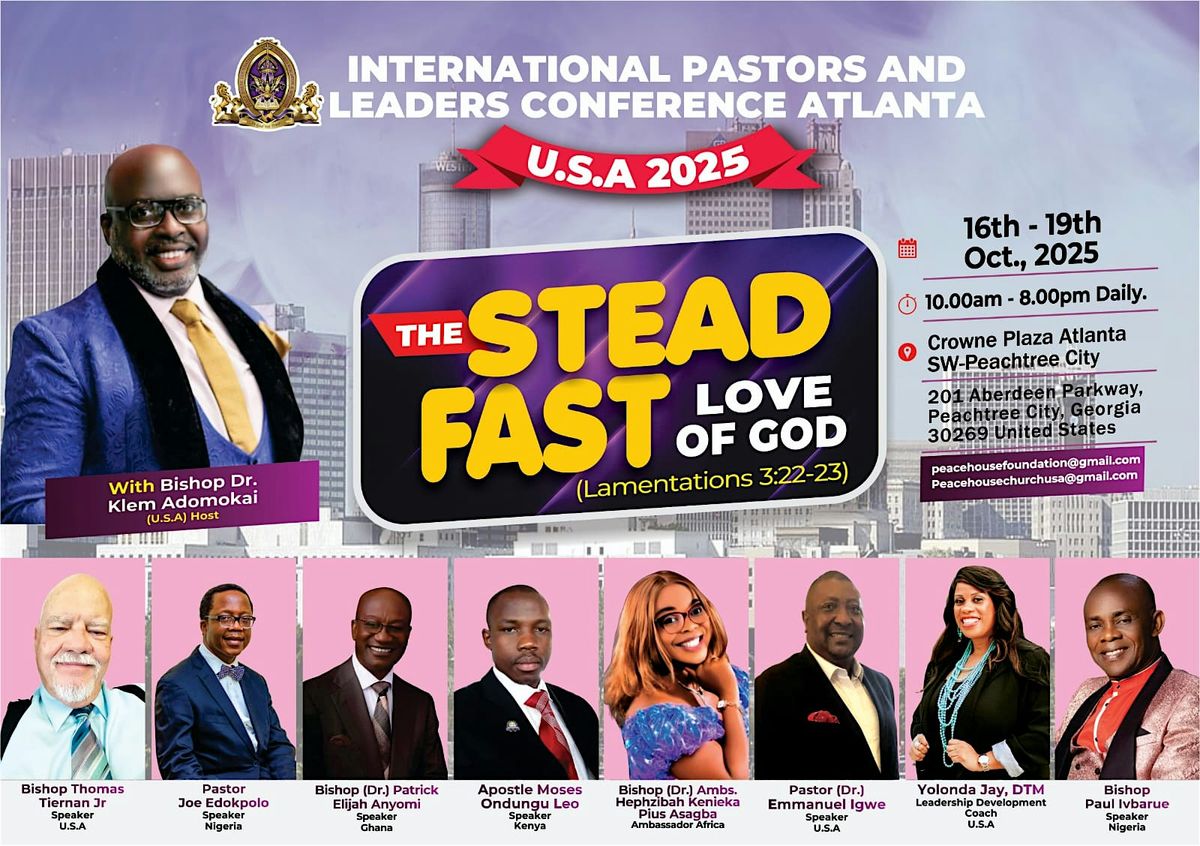
In the labyrinth of modern ministry, where the demands of shepherding souls collide with the relentless pace of cultural change, pastors and spiritual leaders often find themselves yearning for moments of respite, renewal, and reorientation. The pulpit is not merely a stage for eloquent sermons—it is a sacred trust, a burden of divine calling that demands both fortitude and wisdom. Yet, how does one sustain the fire of passion when the world’s clamor grows louder, when the weight of congregational expectations feels crushing, and when the very definition of leadership is constantly evolving? The answer lies not in isolation, but in the electrifying energy of gathering with peers who understand the sacred vocation. Conferences for pastors are not mere events; they are lifelines—beacons of hope, catalysts for transformation, and crucibles where faith and leadership are forged anew.
The Spiritual Necessity of Gathering: Why Pastors Thrive Beyond the Pulpit
There exists a paradox at the heart of pastoral ministry: the more one gives of oneself, the more one risks depletion. The relentless cycle of counseling, preaching, and administration can erode even the most resilient spirits. Yet, the antidote is not retreat, but reunion. Conferences offer a sacred pause—a temporary sanctuary where pastors step away from the grind to reconnect with their calling. These gatherings are not frivolous escapes; they are spiritual respirators. In the company of fellow shepherds, leaders rediscover the joy of shared struggle and triumph. The stories exchanged over coffee, the prayers whispered in hallways, the laughter that erupts during breaks—these are not incidental moments. They are the mortar that binds the weary soul to its purpose. When pastors witness others navigating the same storms, they realize they are not alone. This communal epiphany is the first spark of revival.
The Alchemy of Learning: Transforming Knowledge into Leadership Power
Knowledge alone does not make a leader; it is the application of wisdom that transforms congregations. Conferences distill years of pastoral experience into digestible, actionable insights. Workshops on conflict resolution, sermonic innovation, and digital evangelism are not abstract lectures—they are survival tools. Consider the pastor who returns from a conference with a fresh perspective on discipleship, only to implement a small-group model that revitalizes a stagnant ministry. Or the leader who attends a session on emotional intelligence and learns to navigate congregational tensions with grace. These are not hypothetical scenarios; they are real-world revolutions sparked by a single weekend of intentional learning. The most effective conferences do more than inform—they ignite a hunger for growth that outlasts the event itself.
From Inspiration to Implementation: Bridging the Gap Between Vision and Action
Inspiration is fleeting unless it is harnessed. Pastors often leave conferences brimming with ideas, only to watch them dissipate in the face of daily demands. The chasm between vision and execution is where many noble intentions wither. The solution? Conferences that prioritize practical takeaways over theoretical fluff. Imagine a pastor attending a session on stewardship who leaves with a step-by-step plan to launch a generosity campaign. Or a leader who gains clarity on how to integrate mental health resources into their ministry. The best conferences don’t just inspire—they equip. They provide templates, accountability partners, and follow-up resources to ensure that the fire of newfound passion does not flicker out. Without this bridge, even the most compelling insights remain dormant potential.
The Unseen Currents: How Culture Shapes Pastoral Leadership
Leadership is never practiced in a vacuum. The cultural zeitgeist seeps into the pews, influencing expectations, values, and even theology. Pastors today grapple with questions their predecessors never faced: How do we address racial injustice from the pulpit? What role does social media play in discipleship? How do we shepherd a generation shaped by algorithmic thinking? Conferences that engage these tensions head-on become more than educational forums—they become think tanks for the soul of the church. Leaders who ignore cultural currents risk irrelevance; those who engage them with discernment become beacons of relevance. The most transformative conferences don’t shy away from controversy. They foster spaces where pastors can wrestle with hard questions, test new paradigms, and emerge with a leadership philosophy that is both timeless and timely.
The Fellowship of the Called: Why Peer Relationships Fuel Longevity in Ministry
Isolation is the silent killer of pastoral endurance. The loneliness of leadership can be suffocating, especially when the weight of decisions feels unbearable. Conferences dismantle this isolation by forging connections that extend far beyond the event. The pastor who bonds with a fellow leader over shared struggles may later become a confidant in crisis. The mentor-mentee relationships formed in breakout sessions often evolve into lifelong partnerships. These bonds are not mere networking—they are lifelines. Studies show that pastors with strong peer networks report higher job satisfaction and lower burnout rates. The fellowship of the called is not a luxury; it is a necessity for those who bear the mantle of spiritual leadership.
Technology as a Tool, Not a Tyrant: Navigating the Digital Age of Ministry
The digital revolution has reshaped ministry in ways that are both exhilarating and daunting. Livestreamed services, AI-driven sermon aids, and virtual small groups have expanded reach but also introduced new complexities. Pastors must now be theologians, content creators, and tech-savvy communicators. Conferences that demystify these tools—without surrendering to their tyranny—are invaluable. A pastor who learns to leverage podcasting for discipleship or uses data analytics to refine outreach strategies gains a competitive edge in an increasingly crowded spiritual marketplace. Yet, the most profound conferences remind leaders that technology is a servant, not a master. The goal is not to chase trends but to harness innovation for eternal purposes.
The Ripple Effect: How Pastoral Renewal Transforms Communities
The impact of a revitalized pastor extends far beyond the church walls. When a leader returns from a conference with renewed vision, the effects ripple outward—into homes, schools, and neighborhoods. A pastor who gains confidence in preaching may see a surge in spiritual engagement. A leader who refines their leadership style may foster a culture of unity in their congregation. The most powerful conferences are those that recognize this ripple effect. They don’t just change individuals; they transform communities. The pastor who leaves inspired becomes an agent of change, carrying the conference’s energy into every interaction, every sermon, every act of service. This is the true measure of a conference’s success—not the number of attendees, but the depth of its impact.
The call to pastoral leadership is a high one, demanding more than talent or charisma—it requires resilience, adaptability, and an unshakable commitment to growth. Conferences are not mere interludes in the journey; they are the crucibles where leaders are refined, where vision is sharpened, and where the soul of ministry is reawakened. In a world that often diminishes the sacred, these gatherings stand as defiant declarations: the work of shepherding is vital, the pursuit of excellence is non-negotiable, and the fellowship of the called is the greatest asset a leader can possess. For pastors who dare to attend, the reward is not just knowledge or inspiration—it is the renewal of a calling that changes lives, one soul at a time.

