

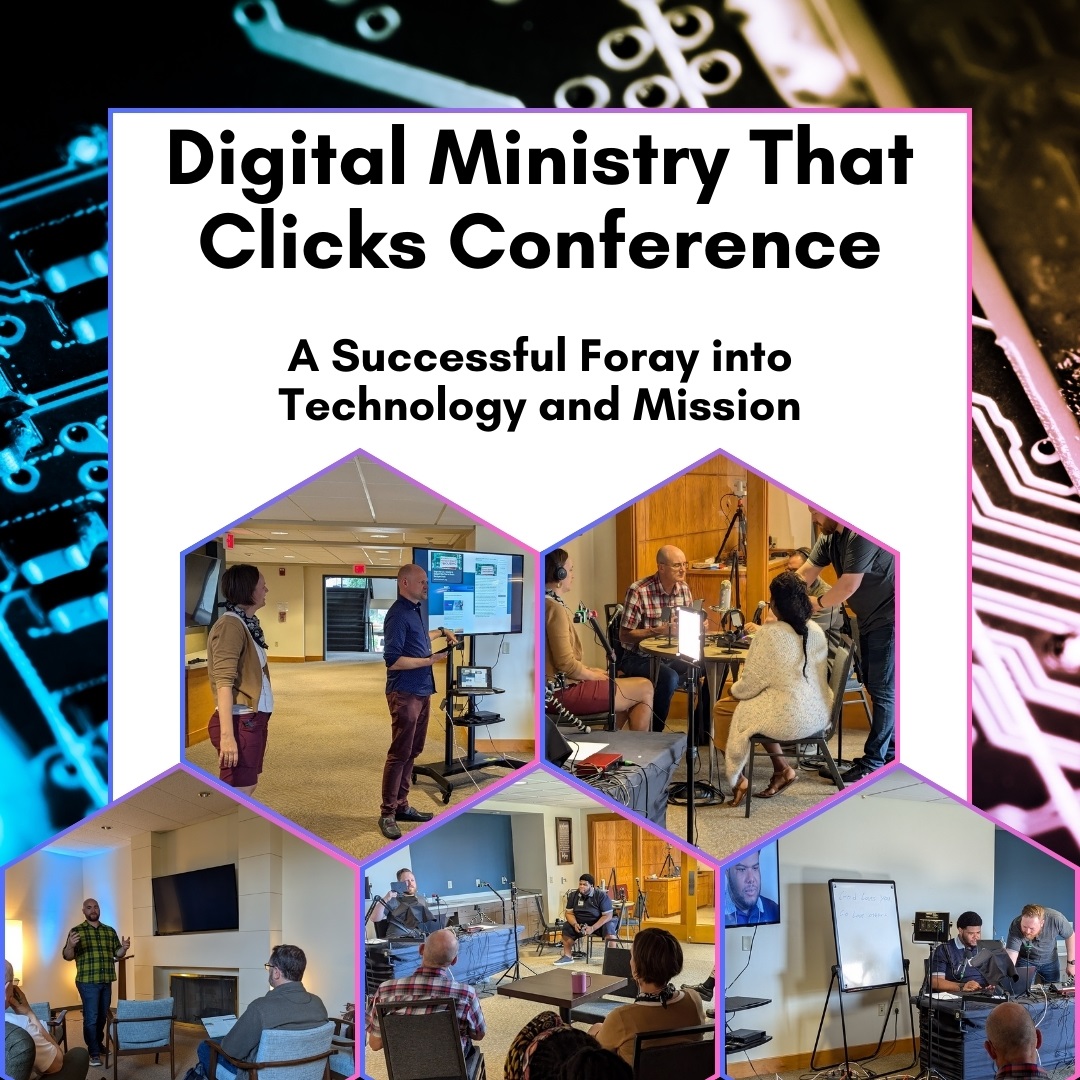
In an era where digital footprints define our daily interactions, the church stands at a pivotal crossroads—one where ancient traditions meet cutting-edge innovation. The fusion of faith and technology isn’t just a trend; it’s a transformative movement reshaping how congregations connect, engage, and thrive. Conferences dedicated to digital ministry are no longer optional gatherings for tech-savvy clergy; they are lifelines for communities seeking to transcend physical boundaries and cultivate meaningful, lasting relationships in the virtual realm. These events are where pastors become digital shepherds, where worship transcends four walls, and where the gospel’s reach expands at the speed of a click.
The Rise of Digital Ministry: Why Conferences Matter
The digital revolution has democratized access to spiritual guidance, making it possible for a single sermon to touch lives across continents in real time. Yet, with this power comes complexity. Churches are no longer just places of worship; they are media hubs, content creators, and online communities. Conferences for digital ministry serve as crucibles where leaders grapple with the challenges of this new frontier—balancing authenticity with algorithmic reach, tradition with innovation, and intimacy with scalability. These gatherings are not just about learning the latest software; they are about reimagining ministry for a post-pandemic world where hybrid worship is the norm and digital discipleship is non-negotiable.
Attendees at these conferences often arrive with a mix of excitement and trepidation. Some are seasoned tech enthusiasts eager to refine their strategies, while others are reluctant adopters, hesitant to trade pews for pixels. Yet, the most transformative conferences are those that meet participants where they are—offering tailored tracks for beginners and advanced practitioners alike. Whether it’s demystifying livestreaming, mastering social media algorithms, or crafting immersive virtual worship experiences, these events provide the tools to turn digital skepticism into digital fluency.
Keynote Speakers: Voices That Shape the Future
The heart of any conference lies in its keynote speakers—visionaries who don’t just predict the future but actively sculpt it. In the realm of digital ministry, these voices often come from unexpected places: tech entrepreneurs turned theologians, social media mavens turned pastoral innovators, and even secular digital marketers who’ve uncovered the spiritual hunger lurking beneath the noise of the internet. A compelling keynote might explore how artificial intelligence can personalize discipleship journeys, or how blockchain could revolutionize tithing and transparency in church finances. Others might delve into the ethical dilemmas of digital evangelism—navigating the fine line between outreach and exploitation in an attention economy.
What sets these speakers apart is their ability to translate abstract technological concepts into tangible ministry applications. They don’t just talk about “engagement metrics”; they reveal how a well-timed Instagram story can lead a seeker to Christ. They don’t just lament the decline of Sunday attendance; they unveil how a well-crafted podcast can become a 24/7 altar call. The best keynotes leave audiences not just informed but inspired—armed with a renewed sense of purpose and the audacity to dream bigger.
Workshops and Breakout Sessions: Hands-On Learning for Every Skill Level
While keynotes ignite the imagination, workshops and breakout sessions are where the rubber meets the road. These intimate, interactive settings allow participants to roll up their sleeves and dive into the nitty-gritty of digital ministry. For the uninitiated, sessions might cover the basics: “How to Set Up a YouTube Channel for Your Church” or “The ABCs of Church Website Design.” For the intermediate practitioner, topics could include “Leveraging TikTok for Youth Ministry” or “Creating Engaging Sermon Graphics Without a Design Degree.”
Advanced tracks might push the boundaries further, exploring “Building a Metaverse Church” or “Using Data Analytics to Tailor Discipleship Pathways.” Some conferences even offer hands-on labs where pastors can film a sermon in a professional studio or test-drive the latest virtual reality worship platforms. The diversity of offerings ensures that no matter where a church is on its digital journey, there’s a session tailored to its unique needs. These workshops don’t just impart knowledge; they foster collaboration, as attendees swap stories, troubleshoot challenges, and forge partnerships that extend far beyond the conference walls.
Networking: The Unseen Currency of Digital Ministry
In the world of digital ministry, isolation is the enemy. Conferences dismantle silos by bringing together a mosaic of voices—pastors from rural parishes, tech directors from megachurches, missionaries in remote regions, and even secular creatives who’ve found faith in unexpected places. The real magic happens in the margins: over coffee, during panel discussions, or in late-night strategy sessions where a casual conversation about livestreaming glitches sparks a breakthrough idea for a new outreach initiative.
Networking at these events isn’t just about swapping business cards; it’s about cultivating a tribe of like-minded innovators who understand that ministry in the digital age requires both spiritual depth and technical prowess. Attendees leave with not just a Rolodex of contacts but a support system—a group of peers who can troubleshoot a crashed website at 2 AM or brainstorm ways to make a virtual Bible study feel as intimate as a living room gathering. In an era where burnout is rampant, these connections are lifelines, reminding leaders that they’re not alone in their digital pilgrimage.
Case Studies: Learning from Trailblazers
Theory is invaluable, but real-world examples are the litmus test of what works. Many digital ministry conferences feature case studies from churches that have cracked the code on online engagement. These stories are more than just success narratives; they’re blueprints for replication. A case study might reveal how a small-town church grew its online congregation by 300% through a strategic TikTok campaign, or how a megachurch used interactive polls during livestreams to deepen viewer participation. Others might highlight the pitfalls—like the church that invested heavily in a flashy app only to realize it was too complex for its aging congregation.
What makes these case studies compelling is their raw honesty. They don’t sugarcoat the challenges—whether it’s the steep learning curve of mastering new tools, the financial investment required, or the resistance from traditionalists within the congregation. Instead, they offer a dose of reality tempered with hope, proving that digital ministry isn’t about chasing trends but about meeting people where they are, in the digital spaces they already inhabit.
The Future of Digital Ministry: Beyond the Conference
A conference is a spark, but the fire it ignites must be tended long after the final amen. The most forward-thinking digital ministry events don’t just end with a closing prayer; they provide roadmaps for sustained growth. Attendees often leave with actionable plans—whether it’s a 90-day social media strategy, a blueprint for launching a church app, or a list of resources to continue their education. Some conferences even offer post-event mentorship programs, pairing pastors with digital ministry coaches who provide ongoing guidance.
Looking ahead, the future of digital ministry conferences lies in their ability to adapt. As technology evolves at breakneck speed, so too must the content of these events. Topics like “AI-Powered Sermon Assistants” and “The Ethics of Virtual Communion” are already creeping onto agendas, signaling a shift toward more speculative, forward-looking discussions. Meanwhile, the rise of decentralized communities—like those forming in Discord servers or on blockchain-based platforms—hints at a future where digital ministry isn’t just about broadcasting but about fostering participatory, co-created spiritual experiences.
The church has always been a vessel for the timeless message of hope. In the digital age, that vessel must be as dynamic as the world it seeks to reach. Conferences for digital ministry are more than gatherings; they are the crucibles where the future of faith is forged—one byte, one stream, one prayer at a time.

