

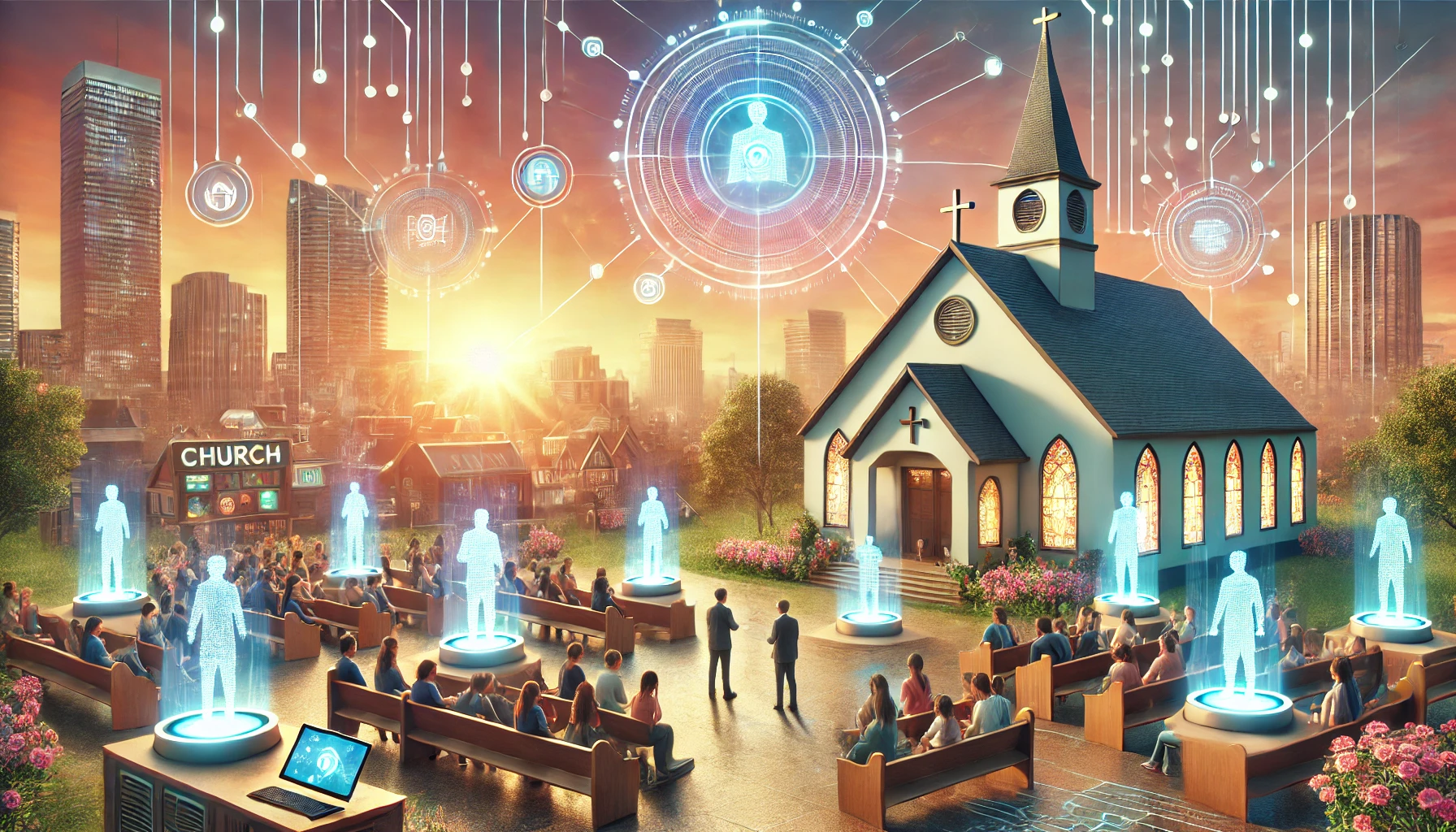
In an era where digital footprints shape spiritual journeys as much as physical pews, churches are embracing technology not as a replacement for tradition, but as a catalyst for deeper connection. The pulpit has expanded beyond stained glass windows and wooden pews into the vibrant, ever-evolving landscape of social media. Among these platforms, Twitter—now rebranded as X—emerges as a dynamic forum for digital ministry, offering pastors, theologians, and faith communities a space to engage, inspire, and nurture souls in real time. This transformation is not merely about broadcasting sermons online; it’s about fostering dialogue, sharing wisdom, and building communities that transcend geographical boundaries. As we explore the intersection of church and technology, we uncover how Twitter accounts dedicated to digital ministry are reshaping the way faith is practiced, shared, and lived in the 21st century.
The Pulse of Faith: Daily Devotionals and Scripture Reflections
At the heart of digital ministry lies the timeless practice of scripture meditation, now amplified through the immediacy of Twitter. Accounts dedicated to daily devotionals curate verses from the Bible, pairing them with brief, thought-provoking reflections that resonate with the rhythms of modern life. These tweets often arrive like spiritual whispers at dawn, offering encouragement for the day ahead or solace during moments of doubt. Some accounts delve into the historical context of ancient texts, revealing layers of meaning that might otherwise remain obscured. Others focus on practical application, translating theological truths into actionable steps for daily living. Whether it’s a single verse or a multi-part thread unfolding over the course of a week, these digital devotionals serve as portable sanctuaries, accessible to anyone with a smartphone and an open heart. They transform passive scrolling into an intentional act of spiritual nourishment, turning fleeting moments of online engagement into opportunities for divine encounter.
Community in 280 Characters: Fostering Dialogue and Connection
Twitter’s brevity is not a limitation—it’s a canvas for concise wisdom and communal exchange. Ministry-focused accounts leverage this constraint to spark conversations that matter. They pose questions that invite reflection: “What does forgiveness look like in your life today?” or “How can we love our neighbors in a polarized world?” These prompts often generate threads where users from diverse backgrounds share personal stories, theological insights, and acts of kindness. Some accounts host live Twitter Spaces, transforming text into voice and fostering deeper emotional resonance. Others curate weekly Twitter chats around themes like prayer, discipleship, or social justice, creating virtual roundtables where participants feel seen and heard. In a world where loneliness often accompanies digital connection, these spaces become lifelines—places where faith is not just proclaimed, but practiced in community. They remind us that theology is not an abstract concept, but a lived experience shaped by real voices and shared struggles.
From Pulpit to Pixel: Sermon Snippets and Theological Insights
Pastors and theologians are reimagining the sermon as a multimedia experience, distilling weeks of study into digestible, tweetable insights. These accounts share sermon snippets—powerful quotes, striking metaphors, or pivotal moments from a Sunday message—that linger in the minds of followers long after the service ends. Some accounts go further, offering “mini-sermons” in thread form, unpacking complex doctrines with clarity and relevance. They might explore the intersection of faith and science, address contemporary ethical dilemmas through a biblical lens, or reflect on how ancient wisdom speaks to modern challenges like anxiety, identity, or environmental stewardship. By breaking down theological concepts into accessible language, these digital preachers bridge the gap between pulpit and pew, ensuring that profound truths are not confined to Sunday mornings but are woven into the fabric of daily digital life. They prove that theology need not be intimidating—it can be as immediate and relatable as the tweet that lands in your feed.
Prayer in Public: Digital Sanctuaries and Intercessory Networks
Prayer, the cornerstone of spiritual life, finds new expression in the public square of Twitter. Dedicated accounts serve as digital sanctuaries, where users can post prayer requests and receive collective intercession from around the world. These platforms often operate in real time, with followers responding with empathetic replies, Scripture verses, or simply the words “I’m praying.” Some accounts specialize in specific needs—prayers for the sick, for marriages in crisis, for persecuted believers, or for global reconciliation. Others host prayer chains, where users commit to praying at set times each day, creating a rhythm of spiritual solidarity. The beauty of this digital intercession lies in its immediacy and universality. A single tweet can unite strangers across continents in a shared act of faith, demonstrating that prayer is not bound by walls or time zones. It transforms solitude into communion and turns individual longing into collective hope.
Faith Meets Culture: Engaging with Art, Music, and Contemporary Issues
Digital ministry extends beyond traditional religious content to engage with the broader cultural landscape. Accounts focused on faith and culture curate playlists of worship music, share poetry inspired by Scripture, or highlight films and books that explore spiritual themes. They might analyze a viral meme through the lens of Christian ethics or respond to trending news stories with thoughtful theological commentary. By meeting people where they are—on their feeds, in their conversations—these accounts demonstrate that faith is not an isolated bubble but a vibrant dialogue with the world. They challenge believers to think critically about their role in society, to see God’s presence in unexpected places, and to engage with culture not as spectators, but as active participants in God’s redemptive story. In doing so, they make faith feel alive, relevant, and deeply human.
Equipping the Saints: Resources for Discipleship and Growth
For those hungry to grow in their faith, Twitter becomes a treasure trove of resources. Ministry accounts share book recommendations, podcast episodes, online courses, and conference highlights, all tailored to different stages of spiritual maturity. Some focus on foundational teachings, offering primers on prayer, Bible study methods, or the basics of Christian theology. Others cater to more advanced disciples, diving into topics like spiritual disciplines, apologetics, or missional living. Many accounts provide free downloadable guides—Bible reading plans, prayer journals, or discussion questions for small groups—designed to foster personal and communal growth. They also highlight digital tools like Bible apps, meditation platforms, or Christian productivity tools, ensuring that technology serves as a bridge rather than a distraction. In a world overflowing with information, these curated resources act as signposts, guiding seekers toward deeper understanding and intentional living.
Storytelling as Witness: Sharing Personal Testimonies and Faith Journeys
Perhaps most powerfully, Twitter becomes a stage for storytelling—raw, authentic, and transformative. Accounts dedicated to personal testimonies invite followers to share their faith journeys, whether it’s a story of redemption, healing, or unexpected grace. These narratives often unfold in threads, weaving together moments of struggle and breakthrough, doubt and faith. They might feature a single mother finding strength in prayer, a former skeptic encountering Christ in a dream, or a community rebuilding after disaster through collective faith. These stories do more than inspire—they normalize the messiness of faith, showing that doubt is not the enemy of belief, and that transformation is possible in every circumstance. They remind us that the gospel is not a distant doctrine, but a lived reality experienced by real people in real time. In sharing these stories, digital ministry becomes a tapestry of human experience, each thread contributing to a larger narrative of hope and redemption.
As the digital and spiritual realms continue to intertwine, Twitter stands not as a fleeting trend, but as a vital frontier for ministry in the modern age. It is a place where devotionals are whispered to the world, where prayers rise like incense from scattered screens, and where stories of faith echo across continents. In this space, technology is not a distraction from the sacred—it is a new language for the timeless message of love, hope, and redemption. For churches and believers willing to engage, Twitter offers more than content; it offers connection, transformation, and a renewed vision of what it means to be the body of Christ in a digital world. The future of ministry is not just online—it is everywhere the Spirit moves, including in the 280-character pulses of a tweet.

