

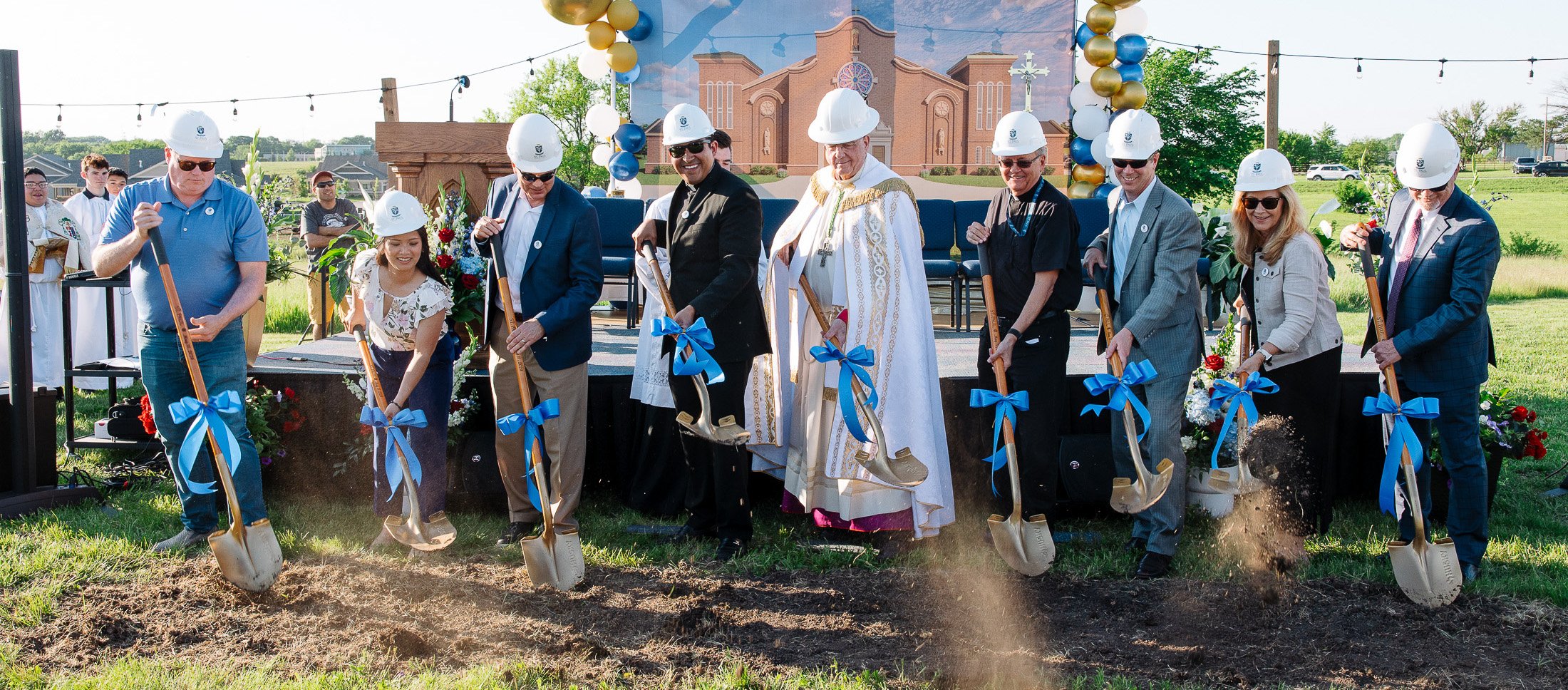
Imagine standing on a patch of earth where a dream is about to take root—a place where faith, community, and vision converge into something tangible. The groundbreaking ceremony isn’t just a symbolic shovel in the dirt; it’s the first brushstroke on a canvas that will soon become a sanctuary of hope, a gathering place for souls, and a testament to perseverance. But how do you orchestrate an event that captures the gravity of the moment while inviting joy, reverence, and unity? Whether you’re shepherding a small congregation or a sprawling parish, planning a church groundbreaking ceremony demands more than just a date on the calendar. It’s about weaving tradition with innovation, practicality with poetry, and community with ceremony. So, where do you even begin?
The Sacred and the Sensible: Balancing Symbolism with Logistics
Every groundbreaking ceremony is a dance between the ethereal and the earthly. On one hand, you’re marking the birth of a sacred space—a place where prayers will rise and hymns will echo. On the other, you’re coordinating a real-world event with budgets, timelines, and human expectations. The challenge? Ensuring the ceremony feels transcendent without overlooking the nitty-gritty of permits, weather contingencies, and guest logistics. Start by defining the core elements that give the event its soul: a prayer, a blessing, a symbolic shovelful of soil. Then, layer in the practical: Will the ground be soft enough for shovels? Is there a backup plan if rain threatens to turn the site into a mud pit? The key is to anchor the spiritual in the tangible, so the ceremony feels both reverent and seamless.
Choosing the Right Date: When Timing Meets Destiny
Selecting a date isn’t just about checking a calendar—it’s about aligning celestial rhythms with human availability. Avoid scheduling conflicts with major holidays or local events that might drain attendance. Consider the season: a crisp autumn morning lends a natural solemnity, while a spring ceremony can mirror themes of renewal. But here’s the twist: what if the perfect date falls during a week when half your congregation is traveling? Or worse, what if the ground is still frozen, making the symbolic shoveling an exercise in futility? Flexibility is your ally. Have a primary date in mind, but scout secondary options that honor the significance of the moment without forcing the issue. After all, a ceremony delayed isn’t a ceremony denied—it’s an opportunity to build anticipation.
Assembling the Dream Team: Who Holds the Shovel, Who Holds the Vision?
A groundbreaking ceremony is a symphony, and every role is a note in the composition. You’ll need a conductor—perhaps the pastor or a lay leader—to guide the proceedings with gravitas. Then there are the logistical maestros: the event planner who wrangles permits, the sound technician who ensures every word is heard, and the photographer who captures the moment for posterity. But don’t overlook the unsung heroes: the volunteers who set up chairs, the florist who adorns the altar, and the child who presents the first symbolic shovelful of dirt with wide-eyed wonder. The challenge? Ensuring everyone understands their part without stifling spontaneity. A well-rehearsed ceremony feels effortless, but the magic often lies in the unscripted moments—the laughter, the shared glances, the collective breath held as the first spade sinks into the earth.
The Ceremony Blueprint: Crafting a Ritual That Resonates
Every great ceremony has a spine—a structure that carries the weight of tradition while allowing room for personal expression. Begin with an invocation, a call to the divine to bless the endeavor. Follow with readings or hymns that tie the community’s history to its future. Then, the symbolic act: the shoveling. But here’s where creativity can shine. Instead of a single shovel, consider a procession where multiple generations take turns, each adding their own layer of meaning. Or, if the site is large, divide the group into sections, each marking a corner of the foundation. The challenge? Keeping the ritual from feeling like a checklist. The goal is to make the audience feel like participants, not spectators. End with a communal meal or fellowship time—a chance for the community to bond over shared purpose and shared sustenance.
Invitations That Stir the Soul: More Than Just a Piece of Paper
A groundbreaking ceremony invitation isn’t just a notice; it’s an invitation to be part of something greater. Ditch the generic templates and opt for something that reflects the spirit of the event. Use parchment-style paper for a timeless feel, or embed a tiny cross or dove into the design for a subtle nod to the sacred. Include not just the date and time, but a brief explanation of why this moment matters. Will there be a time capsule buried? A tree planted? A special blessing given? The more your invitation tells a story, the more it feels like an heirloom rather than a flyer. The challenge? Making sure the design doesn’t overshadow the message. Aesthetics should serve the purpose, not distract from it. And don’t forget the digital realm—pair physical invites with a social media campaign that builds excitement and shares the vision with those who can’t attend.
Weathering the Unexpected: When Plans Meet Reality
No matter how meticulously you plan, nature has a way of throwing curveballs. A sudden downpour, a gust of wind that sends programs flying, or a heatwave that turns the site into an oven—these are the moments that test your adaptability. The key is to have a Plan B (and maybe a Plan C) ready. Rent a tent for shelter, provide handheld fans or umbrellas, and designate a backup indoor location if the outdoor space becomes untenable. But here’s the twist: sometimes, the unplanned moments become the most memorable. A spontaneous prayer circle during a brief shower, or a shared laugh over a gust of wind that nearly toppled the podium. The challenge isn’t avoiding the unexpected—it’s embracing it as part of the ceremony’s story. After all, faith isn’t built on perfection; it’s built on resilience.
The Aftermath: From Shovel to Sanctuary
The groundbreaking ceremony isn’t the end of the journey—it’s the first chapter. What happens next? The construction phase will test the community’s patience and faith. Regular updates, whether through newsletters, social media, or in-person gatherings, keep the momentum alive. Consider hosting a “foundation blessing” when the concrete is poured, or a “steeple raising” when the structure begins to take shape. These milestones give the congregation tangible reasons to celebrate and stay engaged. The challenge? Avoiding burnout. It’s easy to feel disconnected once the shovels are put away, but the building’s completion will feel sweeter if the community has walked every step of the way. Leave room for doubt, for impatience, for the occasional frustration—these are the threads that weave the tapestry of shared effort.
The groundbreaking ceremony is more than a ritual; it’s a covenant between past, present, and future. It’s a moment where hope is planted, where doubt is uprooted, and where a community declares, “Here, we will build something that outlasts us.” So, take a deep breath. Plan with intention. Embrace the unexpected. And when the first shovelful of earth is turned, remember: you’re not just breaking ground. You’re breaking barriers—of fear, of hesitation, of the ordinary. You’re laying the foundation for something extraordinary.

