

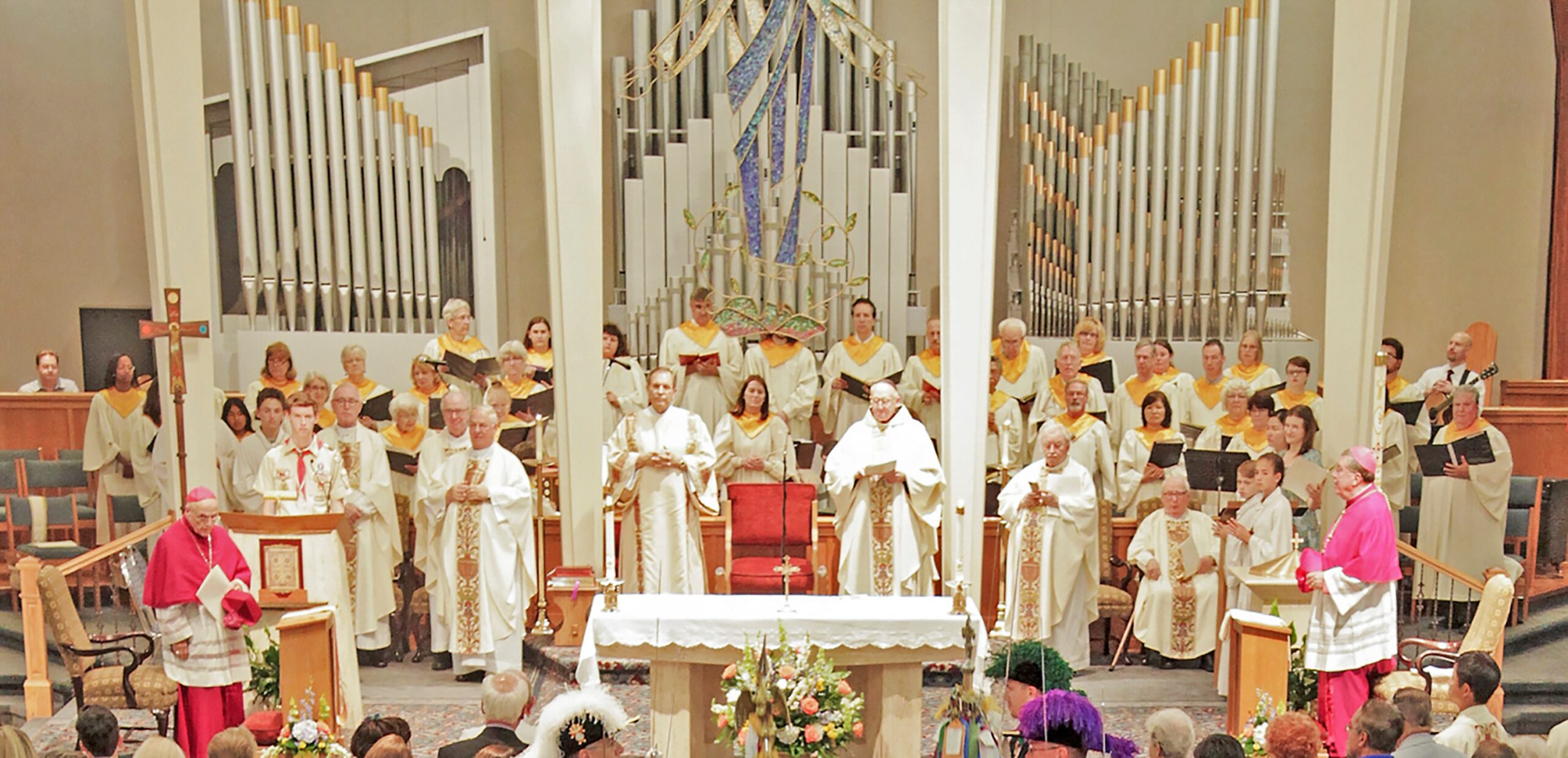
In the grand symphony of faith, music and liturgy are not mere accompaniments—they are the heartbeat of worship, the echo of devotion that reverberates through the souls of congregants. Yet, in an age where digital presence is as vital as physical presence, how do churches and their music ministries translate this sacred resonance into the professional realm of LinkedIn? The answer lies not in the mimicry of corporate profiles, but in the artful fusion of tradition and innovation, where every post becomes a psalm and every connection a potential hymn of collaboration.
The Sacred and the Strategic: Why LinkedIn Matters for Church Music Ministries
LinkedIn is more than a digital Rolodex; it is a cathedral of connections, where the sacred and the strategic converge. For church music ministries, this platform offers an unprecedented opportunity to transcend the confines of the pew and reach a global congregation of professionals—musicians, liturgists, theologians, and even secular artists who may find divine inspiration in the harmonies of faith. A well-crafted LinkedIn profile is not just a resume; it is a testament to the transformative power of music in worship, a living document that sings of purpose, passion, and promise.
Consider the profile of a music director who doesn’t just list their credentials but weaves them into a narrative of spiritual leadership. They might highlight how a particular hymn arrangement became a catalyst for community renewal, or how a liturgical composition bridged divides between generations. On LinkedIn, such stories are not just anecdotes—they are invitations to reimagine the role of music in ministry, to see it not as an afterthought but as a cornerstone of worship.
From Hymns to Headlines: Crafting a LinkedIn Profile That Resonates
Your LinkedIn profile is your digital sanctuary—a place where the echoes of Sunday mornings meet the pragmatism of Monday mornings. The headline, in particular, is your first hymn, the opening note that sets the tone for everything that follows. Instead of a generic title like “Music Director,” consider something that stirs curiosity and invites conversation: “Steward of Sacred Sound: Harmonizing Faith, Community, and Innovation.” This isn’t just a job description; it’s a declaration of intent, a promise that your work is as much about ministry as it is about music.
The “About” section is where the melody deepens. Here, you’re not just listing skills; you’re composing a symphony of experiences. Share the moments that define your journey—the time a choir’s rendition of a traditional hymn moved a grieving family to tears, or how a contemporary worship set broke down barriers between youth and elders. Use vivid language to paint a picture of your mission: “I believe music is the language of the soul, and liturgy is its grammar. Together, they shape not just worship, but lives.” This isn’t about boasting; it’s about bearing witness to the transformative power of your work.
The Art of Engagement: Turning Profiles into Conversations
A LinkedIn profile is not a static monument; it is a dynamic dialogue. Engagement is the rhythm that keeps the conversation alive. Share snippets of your work—recordings of a newly composed liturgical piece, behind-the-scenes footage of a choir rehearsal, or reflections on the theological depth of a hymn text. Each post is an opportunity to spark curiosity, to invite others into the sacred space you’ve created.
But engagement isn’t just about broadcasting; it’s about listening. Comment thoughtfully on posts from other music ministers, theologians, or even secular musicians who explore themes of spirituality in their work. Ask questions that provoke deeper reflection: “How do you balance tradition and innovation in your worship music?” or “What’s a hymn that has profoundly shaped your faith journey?” These interactions aren’t just networking—they’re acts of communal worship, where ideas become anthems and connections become covenants.
Liturgy as a Living Score: The Role of Ritual in Digital Ministry
Liturgy is the score of worship—a carefully composed sequence of words, actions, and symbols that guide the faithful toward the divine. On LinkedIn, liturgy can become a living score, a framework for storytelling that transcends the confines of the sanctuary. A music ministry’s LinkedIn profile can reflect this by highlighting how liturgical elements inform their musical choices. For example, a profile might detail how the structure of a liturgical year—Advent’s anticipation, Lent’s penitence, Easter’s joy—shapes the musical selections for each season.
Consider a post that explores the symbolism of a particular hymn’s lyrics in relation to a liturgical theme. Or a discussion on how the physical space of a church—its architecture, acoustics, and layout—inspires musical arrangements. By framing liturgy as more than a checklist of rituals, but as a dynamic force that shapes worship, you invite others to see their own work through a new lens. This isn’t just about sharing information; it’s about inviting others to experience the sacred in new ways.
Collaboration as Covenant: Building Bridges Across Disciplines
The most powerful music is often the result of collaboration—a fusion of voices, instruments, and ideas that creates something greater than the sum of its parts. On LinkedIn, collaboration becomes a covenant, a sacred agreement to work together toward a common purpose. For church music ministries, this might mean partnering with secular musicians to create cross-genre worship experiences, or teaming up with theologians to explore the spiritual depth of a piece of music.
A LinkedIn profile can reflect this collaborative spirit by highlighting past partnerships, current projects, and future aspirations. Share stories of how a collaboration with a local symphony breathed new life into a traditional hymn, or how a dialogue with a poet led to a new liturgical text set to music. These narratives aren’t just professional achievements; they’re testaments to the power of unity in diversity, of faith expressed through the universal language of art.
The Future of Sacred Sound: Trends and Transformations
The landscape of church music and liturgy is evolving, shaped by technological advancements, cultural shifts, and the ever-changing needs of congregations. On LinkedIn, you can position yourself as a thought leader in this transformation by sharing insights on emerging trends. What role will AI play in composing liturgical music? How can virtual reality enhance the experience of worship for those unable to attend in person? How can music ministries adapt to the growing demand for inclusive, diverse repertoires?
Use your profile to explore these questions, to challenge the status quo, and to inspire others to think creatively about the future of sacred music. A post on “The Ethics of Using Copyrighted Music in Worship” or “How to Create a Multilingual Worship Experience” can spark meaningful discussions and position you as a forward-thinking leader in your field. This isn’t about predicting the future; it’s about shaping it, one post at a time.
Conclusion: A Call to Harmonize
The digital age has given us a new pulpit, a new congregation, and a new hymnal. LinkedIn is not just a platform; it is a sanctuary where the sacred and the strategic meet, where music and liturgy can inspire, challenge, and unite. By crafting a profile that reflects the depth of your work, engaging thoughtfully with others, and embracing the future with open arms, you can turn your LinkedIn presence into a testament to the transformative power of faith and music.
So go ahead—let your profile sing. Let it be a beacon for those seeking to harmonize their professional lives with their spiritual calling. In doing so, you won’t just build a network; you’ll build a community, a chorus of voices united in the pursuit of something greater than themselves.

