

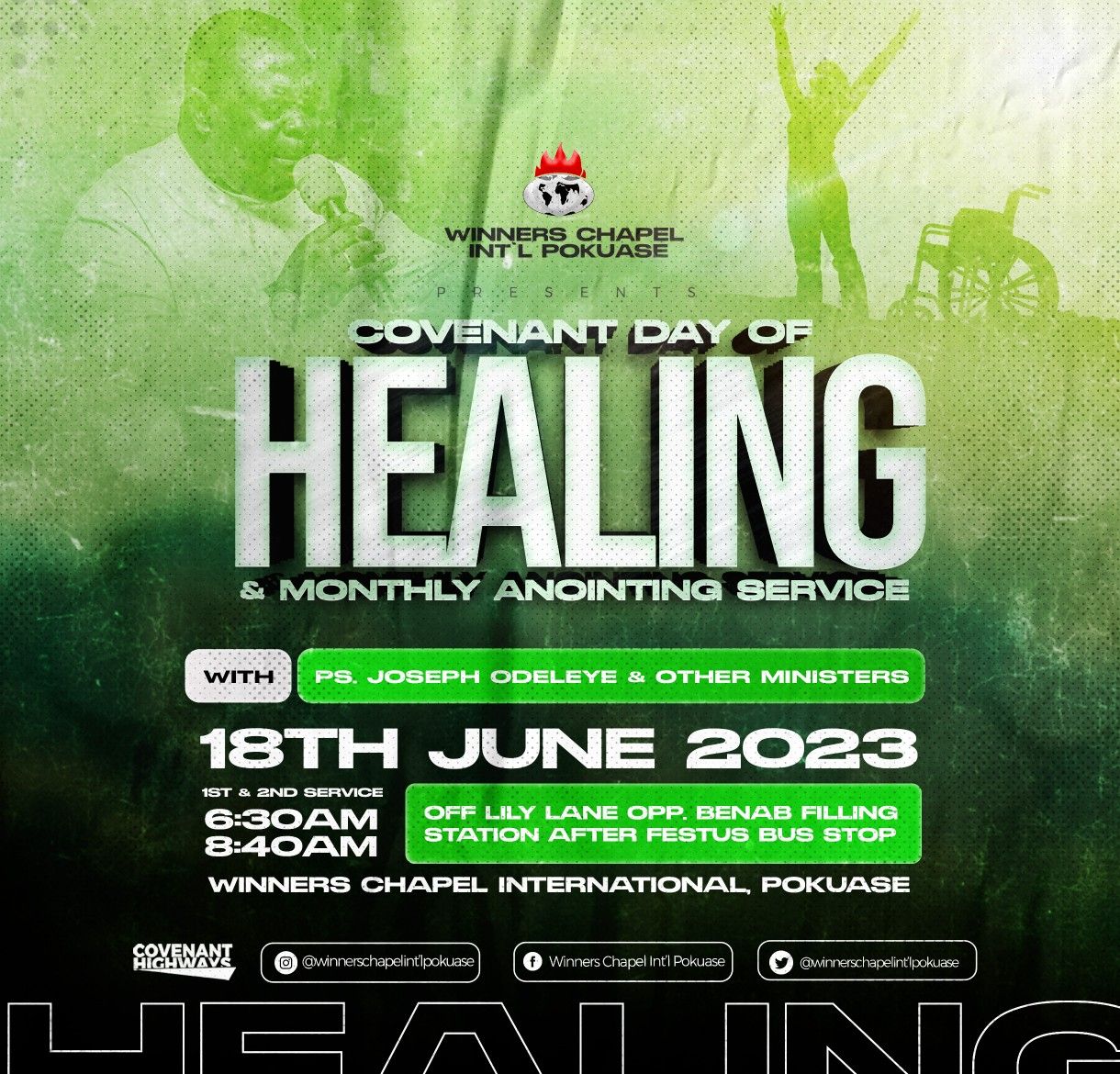
In the sacred rhythm of communal worship, communication serves as the lifeblood that binds hearts, minds, and souls together. A church’s healing campaign—whether a season of revival, a day of consecration, or a structured program of spiritual restoration—demands more than just intention; it requires intentional, consistent, and compelling communication. Without it, even the most profound initiatives can fade into silence, leaving seekers adrift in a sea of unmet longing. Effective communication doesn’t just inform—it inspires, unites, and transforms. It turns announcements into invitations, programs into pilgrimages, and gatherings into sacred encounters. As we explore the art of church and healing campaign communication, we uncover not only the tools and tactics that keep congregations informed but the deeper purpose behind each message: to foster connection, deepen faith, and accelerate healing.
The Power of Narrative: Story-Driven Announcements That Resonate
Human beings are wired for stories. Long before bulletins and emails, faith communities thrived on oral tradition—elders sharing testimonies, prophets recounting visions, and apostles weaving parables. Today, that tradition lives on in the way we frame our church communications. A healing campaign isn’t just a schedule of events; it’s a journey of restoration. Every announcement should be a chapter in that story. Instead of dry recitations of dates and times, infuse your messages with the voices of those who have already experienced healing. Feature brief testimonials in newsletters, short video clips in social media posts, or even live interviews during service. These narratives do more than inform—they ignite hope. They say, “This happened to someone like you,” and in doing so, they make the promise of healing feel tangible and near.
Visual Storytelling: Design That Speaks to the Soul
In an age of fleeting attention spans, visuals command attention like nothing else. A well-designed flyer, a thoughtfully crafted social media graphic, or a motion infographic can convey the essence of your healing campaign in seconds. Visual communication transcends language barriers and speaks directly to the emotions. Consider the use of color psychology—soft blues for peace, warm golds for divine favor, or vibrant greens for renewal. Typography matters too: bold, clean fonts for headlines, and softer serif fonts for body text to create hierarchy and ease of reading. Don’t underestimate the impact of imagery—photographs of open arms, serene landscapes, or hands in prayer can evoke the very atmosphere of healing you wish to cultivate. A flyer isn’t just a piece of paper; it’s a visual sermon, a silent herald of grace.
Multichannel Outreach: Meeting People Where They Are
No single communication channel suffices in today’s fragmented media landscape. A healing campaign must be broadcast across multiple platforms to ensure no one is left uninformed or unengaged. Start with the pulpit—announce the campaign during services, invite testimonies, and use responsive readings that tie into the theme of healing. Then, amplify the message through digital channels: email newsletters with embedded videos, SMS alerts for urgent updates, and a dedicated microsite with event details, registration forms, and a prayer wall. Social media platforms offer real-time engagement—live Q&A sessions, prayer requests via Instagram Stories, and Facebook Events for easy sharing. Even traditional methods like bulletin inserts, posters in community centers, and radio announcements in local stations play a vital role. The goal isn’t to overwhelm, but to surround your audience with consistent, accessible touchpoints that feel natural and inviting.
Interactive Engagement: Turning Listeners into Participants
Communication is not a monologue; it’s a dialogue. The most effective church campaigns invite participation, not just attendance. Use interactive content to deepen involvement. Host a weekly “Healing Journey” podcast where the pastor reflects on a scripture related to healing, followed by a guided prayer. Launch a private Facebook group where members can share their breakthroughs, ask questions, and receive daily encouragements. Create a prayer chain where people sign up to pray for specific needs. Even simple tools like QR codes on flyers that link directly to a sign-up form or a donation page can transform passive readers into active participants. When people feel they are part of something larger than themselves, their commitment deepens, and the healing atmosphere grows stronger.
Timely Updates: The Rhythm of Anticipation and Urgency
Timing is everything. A healing campaign isn’t a one-time event—it’s a season with its own ebb and flow. Communication must mirror that rhythm. Begin with a teaser phase: cryptic social media posts, countdown graphics, or a “Coming Soon” banner. Then, build anticipation with weekly highlights—testimonies, behind-the-scenes preparations, or scripture reflections. As the campaign approaches, intensify the frequency: daily emails, live prayer sessions, and real-time updates during events. After each gathering, share recaps, photos, and next steps. This cadence creates a sense of momentum and keeps the message alive in people’s minds. It also allows for course correction—if attendance is lower than expected, a timely mid-campaign email with a personal invitation from the pastor can reignite interest. In communication, consistency builds trust, and trust builds transformation.
Cultural Relevance: Speaking in a Language People Understand
Healing is universal, but the way it’s communicated must be contextual. A healing campaign in an urban church may resonate more with themes of restoration and justice, while a rural congregation might connect with themes of renewal and provision. Consider the language, metaphors, and cultural references that resonate with your audience. Use inclusive language—avoid insider jargon that excludes newcomers. Address real-life struggles: financial stress, family conflict, health concerns—name them, acknowledge them, and point to hope. Incorporate local traditions, music styles, or even regional dialects where appropriate. When people hear their own language and see their own stories reflected, they feel seen, valued, and more willing to engage. Communication isn’t just about delivering a message—it’s about making sure the message lands where it’s meant to grow.
Measuring Impact: Beyond Attendance to Transformation
Effective communication isn’t measured solely by attendance numbers or social media likes. True impact is seen in changed lives. Track not just who attended, but who returned. Monitor who engaged online and who took the next step—signed up for a follow-up group, shared their testimony, or invited a friend. Use simple surveys or feedback forms to ask participants what resonated with them and what could be improved. Pay attention to the quietest voices—the ones who didn’t raise their hands but whose hearts were being healed in silence. Create a culture of feedback where communication is seen as a living process, not a static announcement. When we measure impact beyond metrics, we begin to see the real fruit of our efforts: a community that is not just informed, but truly transformed.

