

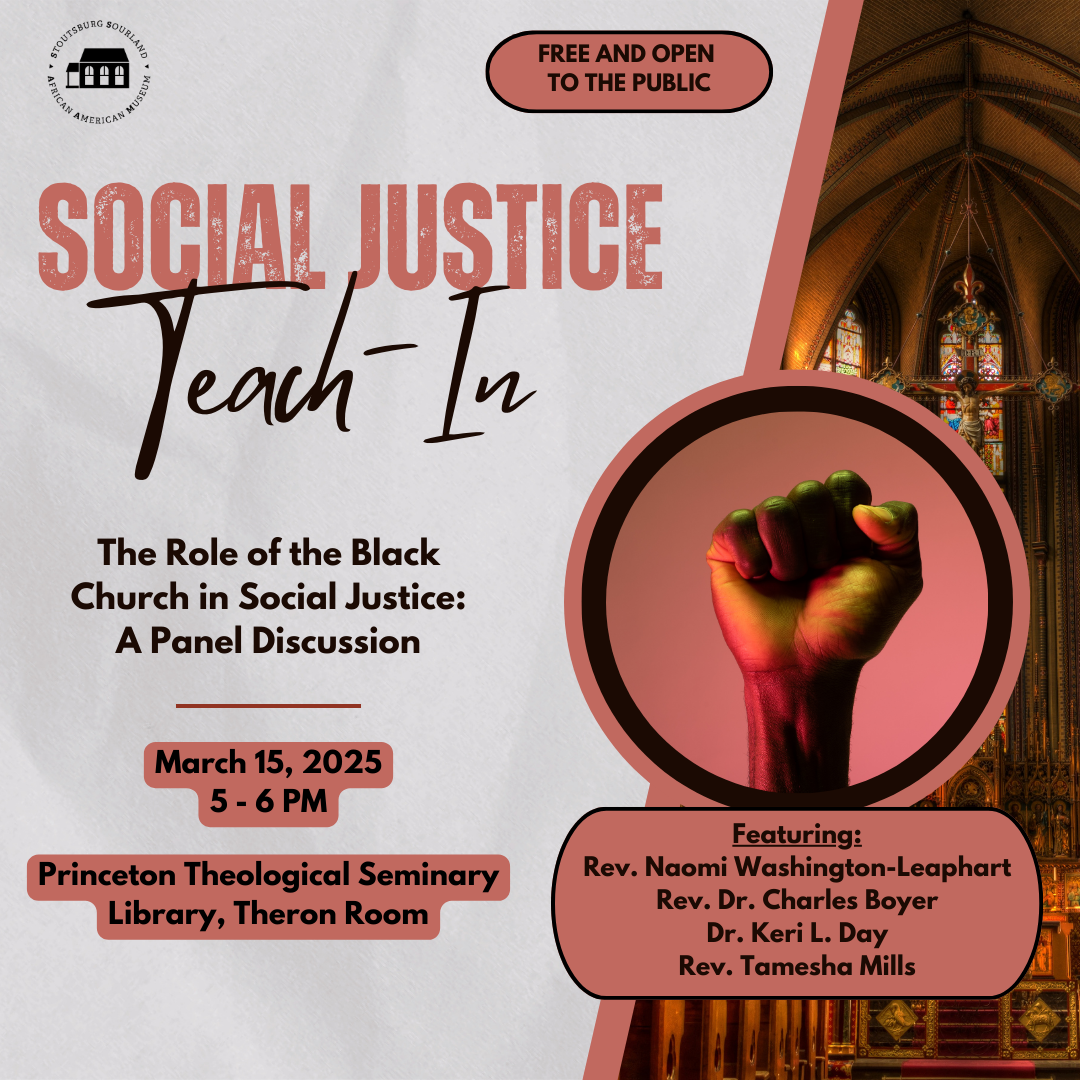
In an era where digital activism reshapes the landscape of social change, Twitter emerges as a powerful pulpit for the faithful and the fervent alike. The intersection of faith and justice is not a new phenomenon, but the platform’s immediacy and reach have transformed it into a modern-day megaphone for advocacy. From grassroots organizers to theological scholars, Twitter accounts dedicated to church and social justice offer a mosaic of perspectives, strategies, and stories that challenge, inspire, and mobilize. Whether you seek theological grounding, real-time updates, or actionable insights, these accounts serve as both compass and catalyst in the pursuit of equity.
Theological Foundations: Accounts That Ground Justice in Scripture
For those who believe that justice is not merely a secular ideal but a divine mandate, Twitter accounts rooted in theological scholarship provide a vital lifeline. These platforms dissect biblical texts, historical Christian traditions, and contemporary ethical dilemmas to illuminate the sacred roots of social justice. They often feature threads that unpack parables of justice, the prophetic traditions of the Old Testament, or the radical inclusivity of Jesus’ ministry. Followers can expect nuanced exegesis paired with calls to action, bridging the gap between pulpit and protest. The tone is rarely passive; instead, it’s a clarion call to see faith as inseparable from the fight against oppression.
Activist Chronicles: Real-Time Narratives of Faith in Motion
Twitter thrives on immediacy, and activist accounts centered on church-led social justice deliver raw, unfiltered snapshots of movements in real time. These accounts document vigils, marches, and community organizing efforts, often with firsthand accounts from clergy, lay leaders, and congregants. The content is visceral—photos of clergy kneeling in solidarity, live-tweeted sermons that double as manifestos, and impassioned pleas for systemic change. What sets these accounts apart is their ability to humanize the struggle, weaving personal stories into the broader tapestry of collective action. They don’t just report; they bear witness, making the abstract tangible and the distant immediate.
The power of these narratives lies in their authenticity. There’s no sanitized version of events here—just the messy, hopeful, and sometimes heartbreaking reality of people of faith stepping into the fray. Whether it’s a Black pastor leading a march against police brutality or a youth group organizing a climate strike, these accounts remind followers that justice is not a theoretical construct but a lived practice.
Educational Threads: Breaking Down Complex Issues with Clarity
Social justice is a vast and often convoluted terrain, but Twitter accounts dedicated to education distill complex issues into digestible, actionable insights. These platforms leverage threads, infographics, and curated resources to explain systemic injustices—from mass incarceration to environmental racism—through a faith-based lens. They might dissect the historical ties between Christianity and colonialism, or highlight the work of lesser-known theologians who have championed liberation theology. The goal is not just to inform but to equip followers with the knowledge to engage in informed advocacy.
What makes these accounts particularly compelling is their interdisciplinary approach. They might juxtapose a biblical passage with a statistic on racial disparities, or pair a quote from Martin Luther King Jr. with a modern-day policy analysis. The result is a holistic understanding of justice that marries faith, history, and contemporary politics. For those new to social justice or seeking to deepen their theological understanding, these accounts serve as both teacher and guide.
Interfaith Alliances: Building Bridges Across Traditions
Justice is not the sole domain of any one faith, and Twitter accounts that foster interfaith dialogue highlight the shared values that unite diverse religious communities. These platforms amplify voices from Jewish, Muslim, Hindu, Buddhist, and Indigenous traditions, showcasing how different faiths interpret and act upon the call to justice. They might feature collaborative statements from religious leaders, or host virtual roundtables where activists from various backgrounds share strategies for change.
The beauty of interfaith advocacy lies in its ability to transcend sectarian divides. It’s a reminder that the struggle for equity is universal, even as the paths to it may differ. Followers of these accounts gain exposure to a broader spectrum of thought, fostering empathy and solidarity across lines of difference. In a world often fractured by religious and cultural divides, these accounts offer a vision of unity rooted in shared moral purpose.
Policy and Prophetic Witness: Accounts That Hold Power to Account
Some Twitter accounts dedicated to church and social justice don’t just preach to the choir—they confront the powers that be. These platforms dissect legislation, executive orders, and judicial rulings through a moral lens, calling out hypocrisy and demanding accountability. They might live-tweet hearings, share expert analyses of policy impacts, or publish open letters from religious leaders to policymakers. The tone is unapologetically prophetic, channeling the tradition of Old Testament prophets who railed against injustice in the halls of power.
The content here is urgent, often urgent to the point of being uncomfortable. It’s not enough to pray for change; these accounts insist that faith demands action, and that action must include challenging the systems that perpetuate harm. Followers can expect a blend of outrage, hope, and strategic guidance, whether it’s a thread breaking down a new voter suppression law or a call to flood congressional offices with demands for climate action.
Community Organizing: From Hashtags to Handshakes
While Twitter excels at sparking conversations, some accounts bridge the gap between digital advocacy and on-the-ground organizing. These platforms don’t just amplify issues—they provide tangible ways for followers to get involved, from local volunteer opportunities to national campaigns. They might share sign-up links for mutual aid networks, promote training sessions for community leaders, or host Twitter Spaces where organizers share strategies for mobilizing congregations.
The content here is deeply practical, blending calls to action with behind-the-scenes glimpses of organizing in action. Followers might see a photo of a church basement transformed into a hub for food distribution, or a thread detailing the steps to launch a sanctuary church for immigrants. What emerges is a sense of movement—not just as an abstract concept, but as a living, breathing effort led by real people with real stakes in the outcome.
Cultural Critique: Exposing the Contradictions of Faith and Injustice
Not all church-related social justice accounts are gentle in their approach. Some wield satire, irony, and unflinching critique to expose the contradictions within religious institutions that claim to stand for justice but uphold oppression. These accounts might skewer performative activism, challenge the complicity of certain denominations in systemic racism, or hold individual clergy accountable for hypocrisy. The tone is sharp, often biting, and unapologetically confrontational.
Their content is a necessary corrective in a landscape where performative allyship can overshadow genuine change. By calling out hypocrisy, these accounts force followers to confront uncomfortable truths about the institutions they love. They don’t offer easy answers, but they do demand honesty—a quality as essential to faith as it is to justice.
Hope as a Radical Act: Accounts That Center Joy and Resilience
In the face of relentless injustice, some Twitter accounts dedicated to church and social justice choose to center joy, resilience, and hope as acts of defiance. These platforms celebrate the victories—big and small—of communities fighting for a better world. They might share stories of interfaith coalitions winning local policy changes, or highlight the work of artists using faith-inspired creativity to fuel activism. The tone is uplifting, even in the darkest moments, reminding followers that hope is not passive but an active, rebellious choice.
What makes these accounts so vital is their refusal to let despair have the final word. They recognize that burnout is a real threat in social justice work, and they offer a counterbalance of inspiration. Followers can expect a steady stream of affirmations, from quotes by liberation theologians to viral videos of congregations singing hymns at protests. It’s a reminder that justice is not just about resistance—it’s also about reimagining a world where equity and joy coexist.

