

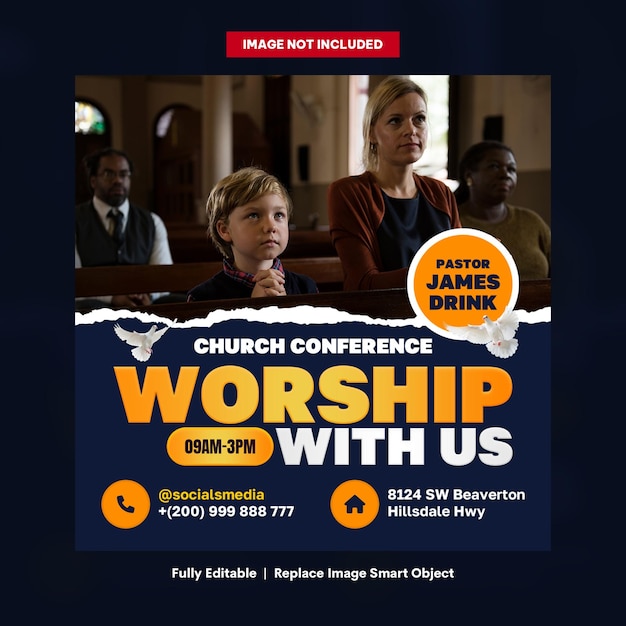
In the heart of every thriving faith community lies a rhythm—one that pulses with the heartbeat of shared purpose and collective devotion. Yet, without a clear, consistent cadence of communication, even the most vibrant congregations can feel like ships adrift in a sea of unspoken expectations. Church and worship campaign communication isn’t just about broadcasting information; it’s about weaving a tapestry of connection, ensuring that every member—from the lifelong attendee to the curious newcomer—feels seen, heard, and inspired. Whether you’re announcing a seasonal sermon series, a community outreach initiative, or a call to prayer, the way you convey your message shapes the very soul of your congregation’s journey.
The Power of Story-Driven Announcements
Every great campaign begins with a story waiting to be told. Instead of dry bulletins or impersonal emails, infuse your communications with narratives that resonate on a human level. Share the journey of a volunteer whose life was transformed by a recent mission trip, or highlight the personal growth of a member who found solace in your worship services. These stories do more than inform—they invite participation by making the abstract tangible. Consider a weekly “Testimony Tuesday” segment in your newsletter, where members share their faith journeys in their own words. The emotional pull of these accounts fosters a sense of belonging and reminds everyone that they are part of something greater than themselves.
Visual Storytelling: Beyond Words
In an era where attention spans are fleeting, visuals speak louder than paragraphs. A well-designed infographic can distill complex campaign details into digestible, eye-catching snippets. Think of a timeline graphic for an upcoming revival event, or a mood board that captures the essence of a new worship series. Social media platforms thrive on visual content, so leverage carousel posts, short-form videos, and even memes (yes, even in ministry!) to convey your message. For instance, a behind-the-scenes reel of your worship team rehearsing a new anthem can build anticipation and make the upcoming service feel like an unmissable experience. The key is to blend aesthetics with authenticity—your visuals should feel as genuine as your mission.
Interactive Engagement: Turning Spectators into Participants
Communication isn’t a monologue; it’s a dialogue. To deepen engagement, invite your congregation to co-create the narrative. Polls, surveys, and Q&A sessions in your digital newsletters or social media stories can give members a voice in shaping upcoming campaigns. For example, ask your community to vote on the theme for the next sermon series or suggest hymns for a special worship night. Interactive elements like these transform passive readers into active contributors, fostering a culture of ownership and investment. Even something as simple as a “Prayer Wall” where members can submit requests and see them uplifted in real time can create a powerful sense of unity and shared purpose.
Seasonal Campaigns: Timing with Intention
Timing is everything in campaign communication. A Christmas Eve service announcement sent in July might get lost in the noise, but a carefully timed “Advent Journey” email series—released weekly leading up to the holiday—can build anticipation and spiritual readiness. Seasonal campaigns thrive when they align with the natural rhythms of the liturgical calendar or community milestones. For instance, a Lent-focused campaign could include daily devotionals shared via email or a dedicated app, while a summer outreach initiative might leverage social media challenges to encourage acts of service. The goal is to meet people where they are, both spiritually and practically, ensuring your message arrives at the moment it’s most likely to resonate.
Multichannel Consistency: Meeting People Where They Are
A single message delivered through one channel is like a single note in a symphony—it lacks depth and impact. To truly keep everyone informed, deploy a multichannel strategy that meets your congregation where they already spend their time. Your website should serve as the hub, hosting detailed event pages, downloadable resources, and a calendar of upcoming activities. Social media platforms like Instagram and Facebook can tease upcoming events with teasers and countdowns, while SMS alerts can send urgent updates or last-minute reminders. Don’t overlook traditional channels either; printed bulletins, posters in high-traffic areas, and even word-of-mouth from trusted leaders can reinforce your digital efforts. Consistency across these channels ensures no one misses the message, regardless of their preferred medium.
Personalized Communication: The Art of Tailored Messaging
Generic announcements often fade into the background, but personalized communication feels like a warm invitation. Use the data you have—whether it’s birthdays, membership anniversaries, or past event attendance—to tailor your messages. A first-time visitor might receive a welcome email with service times and a link to a newcomer’s guide, while a long-time member could get an exclusive preview of an upcoming leadership training. Personalization doesn’t require invasive tracking; even simple segmentation based on interests (e.g., families, young adults, seniors) can make your communications feel more relevant. The goal is to make every member feel like your church’s mission is crafted just for them.
Transparency in Transitions: Navigating Change with Clarity
Change is inevitable, but confusion doesn’t have to be. Whether you’re introducing a new worship style, transitioning to a hybrid service model, or launching a capital campaign, transparency is your greatest ally. Share the “why” behind the changes, not just the “what.” For example, if you’re updating your worship format to better engage younger generations, explain how this decision aligns with your church’s core values and long-term vision. Use town halls, FAQ documents, and even one-on-one conversations with key leaders to address concerns and gather feedback. When people understand the reasoning behind transitions, they’re more likely to embrace them with open hearts and minds.
The Ripple Effect: Encouraging Word-of-Mouth Advocacy
The most powerful marketing tool your church possesses is the enthusiasm of its members. Encourage them to become ambassadors by equipping them with shareable content—think social media graphics, short video clips, or even pre-written captions they can post. A member who posts about an upcoming Easter cantata or shares a live stream of a moving sermon can reach far more people than your official channels ever could. Foster a culture of advocacy by celebrating and highlighting these organic shares. For instance, feature a “Member Spotlight” in your newsletter that showcases how someone invited a friend to an event. When your congregation feels proud of their community, they’ll naturally become its most compelling storytellers.

