

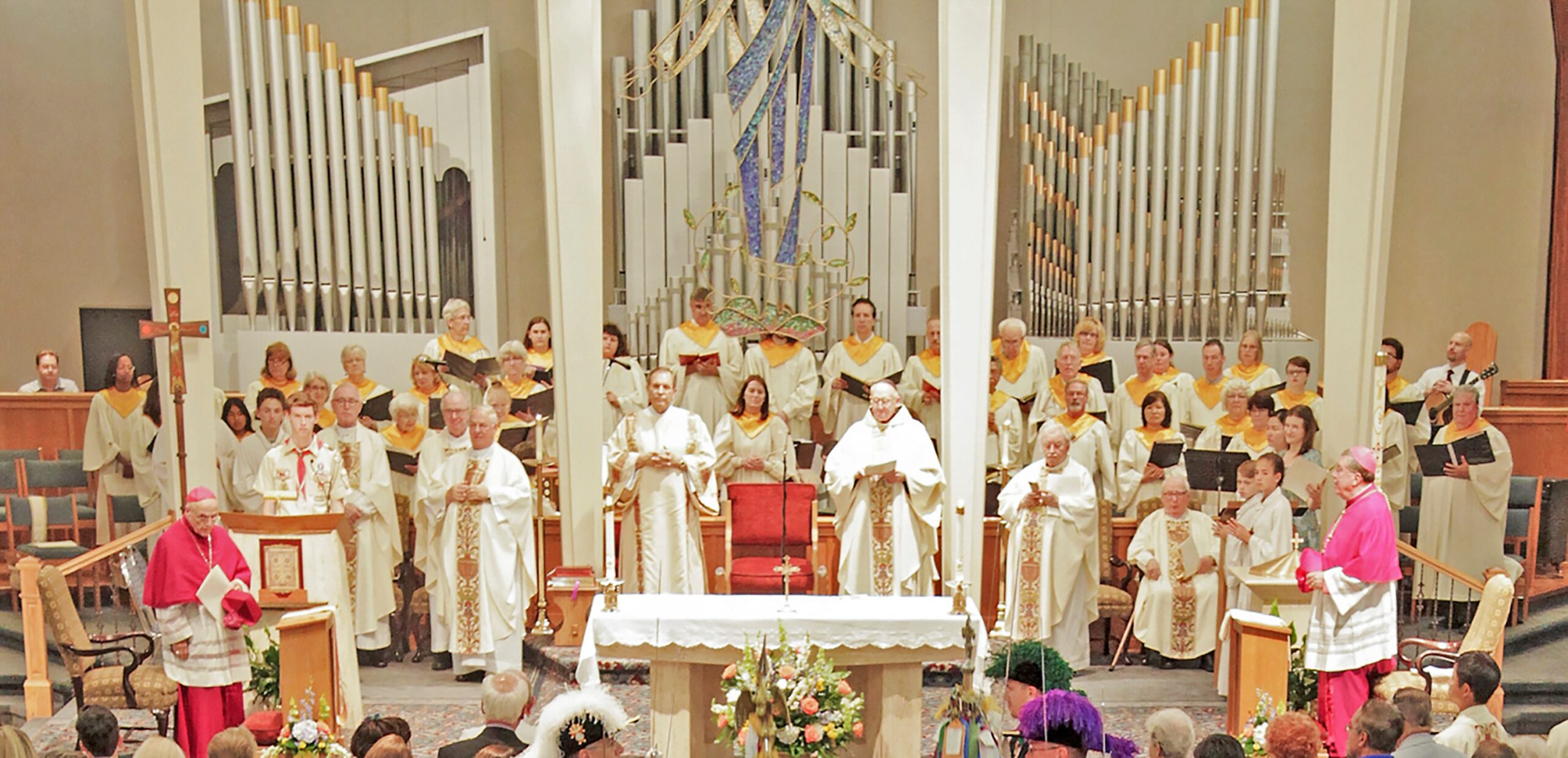
In the grand symphony of faith, few instruments resonate as deeply as music. It is the heartbeat of worship, the language of the soul, and the bridge between the earthly and the divine. Yet, in an age where digital voices echo through the vast expanse of the internet, how does the church harness this power to elevate its liturgy and inspire its congregation? The answer lies not just in the hymns we sing, but in the tweets we share—where 280 characters can ignite a revolution of faith, curiosity, and devotion.
The Digital Choir: How Twitter Elevates Liturgical Music
Imagine a world where the pews stretch beyond the physical walls of the church, where the congregation gathers not in rows of wooden benches but in the boundless expanse of the digital realm. Twitter, with its fleeting yet potent messages, has become the modern-day pulpit for liturgical music. It is here that the ancient hymns of the past collide with the contemporary rhythms of today, creating a tapestry of sound that transcends time and space.
Churches are no longer confined to the four walls of their sanctuaries. They are now global choirs, their voices amplified by the click of a button. A single tweet can introduce a forgotten hymn to a new generation, or a viral melody can become the anthem of a movement. The liturgy is no longer a static ritual but a dynamic conversation, where the sacred and the secular intertwine in a dance of devotion.
From Pew to Pixel: The Evolution of Worship in the Digital Age
The transition from pew to pixel is not merely a shift in medium—it is a metamorphosis of experience. Where once the congregation stood shoulder to shoulder, singing in unison, now they stand virtually, united by the glow of a screen. Yet, this digital migration has not diluted the essence of worship; it has distilled it. In the silence between tweets, in the pauses between shared lyrics, the soul finds space to breathe and the heart finds room to grow.
Consider the power of a well-crafted tweet: a snippet of a hymn’s lyrics, a link to a stirring rendition, or a reflection on the theological depth of a melody. These are not mere posts; they are invitations. Invitations to pause, to ponder, and to participate in the sacred act of worship, even when physical presence is impossible. The digital age has not replaced the church; it has expanded its reach, allowing the light of faith to flicker in the darkest corners of the world.
The Alchemy of Words and Music: Crafting Tweets That Inspire
To tweet about liturgical music is to wield a double-edged sword—one edge sharp with melody, the other gleaming with meaning. The most effective tweets are not those that merely announce an event or share a link; they are those that weave a spell, drawing the reader into a moment of transcendence. How does one achieve this alchemy?
Begin with the hook—a line of lyrics that lingers in the mind like the echo of a bell. Pair it with a question that stirs the soul: “What hymn has carried you through your darkest hour?” or “Can you imagine the angels singing this?” Then, let the music speak for itself. A video clip, a soundbite, or even a carefully chosen emoji can transform a tweet from a message into an experience.
But beware the pitfall of over-explanation. The beauty of liturgical music lies in its mystery, its ability to speak to the heart without the need for words. Sometimes, the most powerful tweet is the one that says nothing at all—just a haunting melody, a single image of a choir in mid-song, or the quiet hum of a congregation lost in worship.
Building Community Through Shared Harmony
The church has always been a community, a gathering of souls united by faith. Twitter, in its own way, has become a digital parish hall, a place where believers from every corner of the globe can come together to share their love of music and liturgy. It is here that the stranger becomes a friend, the skeptic a seeker, and the solitary worshipper finds a chorus of voices to join their own.
Hashtags like #LiturgicalMusic or #ChurchChoir are not just labels; they are lifelines. They connect the choir director in Nairobi with the organist in Buenos Aires, the hymnwriter in Nashville with the congregant in Manila. Through these shared threads, a global conversation emerges—one that celebrates the diversity of worship while affirming the universality of its message.
Yet, community is not built on tweets alone. It is forged in the responses, the retweets, the shared moments of awe. When a tweet about a particular hymn sparks a flurry of memories—“This was my grandmother’s favorite!” or “We sang this at my wedding!”—the digital space becomes sacred ground. It is a reminder that music is not just sound; it is story, it is legacy, it is the thread that binds generations together.
The Future of Worship: Where Tradition Meets Innovation
The future of liturgical music is not a question of if it will evolve, but how. Twitter is but one instrument in a vast orchestra of digital tools, each with its own unique voice. Podcasts, live-streamed services, virtual choirs—these are not distractions from tradition but extensions of it. They are the next chapter in a story that has been unfolding for centuries.
Consider the potential of interactive worship experiences. Imagine a Twitter thread that unfolds like a hymn, with each tweet building upon the last, guiding the reader through a meditative journey. Or a live Q&A with a composer, where the audience can ask about the inspiration behind a piece of music in real time. The possibilities are as limitless as the human imagination.
Yet, with innovation comes responsibility. The church must tread carefully, ensuring that technology serves the liturgy rather than overshadows it. The goal is not to create a spectacle, but to foster a deeper connection—to God, to one another, and to the rich tapestry of tradition that has sustained the faithful for generations.
Invitation to the Choir: How You Can Join the Movement
You need not be a theologian, a musician, or even a regular churchgoer to be part of this movement. All you need is a heart open to the power of music and a willingness to share its beauty with the world. Start by following accounts that inspire you—choirs, composers, theologians, and fellow seekers who are redefining what it means to worship in the digital age.
Engage with their tweets. Share your own favorites. Create playlists of hymns that have shaped your life. Write reflections on the music that moves you. In doing so, you are not just a passive observer; you are a participant in the grand symphony of faith. You are the voice that carries the melody forward, the hand that passes the torch of tradition to the next generation.
And who knows? Your tweet might just be the spark that ignites a revolution of faith in someone else’s heart. It might be the quiet moment of grace that someone else has been waiting for. In the end, that is the true power of liturgical music on Twitter—not to entertain, but to transform.

