

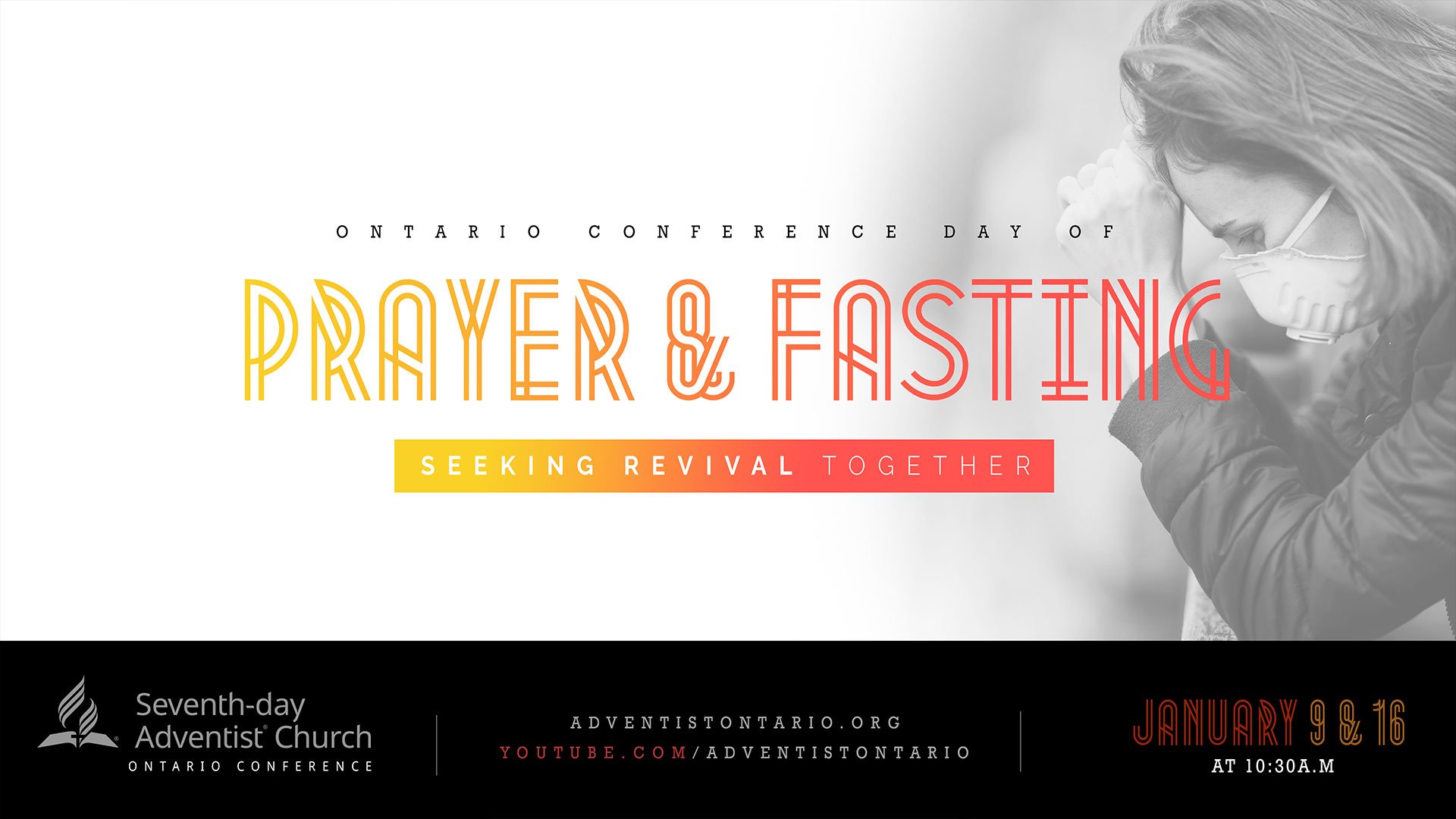
What if the most powerful force in the universe—one that reshapes hearts, alters destinies, and ignites spiritual revolutions—could be accessed not through grand gestures or elaborate rituals, but through the quiet, intentional act of coming together as a community to pray and fast? This isn’t just a lofty ideal; it’s the heartbeat of a movement sweeping across churches worldwide. Church prayer campaigns and fasting are not mere traditions—they are transformative experiences that invite the divine into the ordinary, turning collective longing into supernatural breakthroughs. But what happens when an entire congregation decides to seek God with one voice and one heart? The answer might just redefine what’s possible.
The Ancient Rhythm: Why Prayer and Fasting Still Matter Today
Long before social media feeds and digital distractions, ancient communities understood something profound: prayer and fasting are not optional spiritual add-ons—they are the lifeblood of a vibrant faith. In the Judeo-Christian tradition, fasting was never about deprivation for its own sake; it was a deliberate act of humbling oneself before God, a way to strip away the noise of daily life and listen for the still, small voice that speaks louder than any storm. When a church body unites in this rhythm, something extraordinary occurs. The individual prayers of a thousand believers don’t just add up—they multiply, creating a spiritual synergy that defies logic. It’s as if the heavens lean in closer, eager to respond to a people who have made room for the divine in their midst.
Yet, in an era where instant gratification is the norm, the discipline of fasting can feel like an anachronism. Who has time to deny themselves when the world moves at lightning speed? But here’s the paradox: the very act of slowing down—of intentionally setting aside time, appetite, and distraction—becomes the catalyst for clarity. Fasting isn’t about earning God’s attention; it’s about realigning our priorities so we can hear His. When a church embarks on a prayer campaign, it’s not just about asking for blessings. It’s about recalibrating the soul to recognize that the greatest miracle isn’t always the one we see, but the one that changes us from the inside out.
The Power of Collective Longing: When a Church Prays as One
There’s a magnetic quality to unified prayer that transcends individual petitions. When a congregation gathers—not just in the same building, but with the same heart—it creates a spiritual current that can move mountains. History is littered with accounts of revivals sparked by such moments: communities where the air itself seemed charged with expectancy, where the ordinary became pregnant with the extraordinary. But here’s the question we must ask ourselves: Do we truly believe that our prayers, when joined with others, carry more weight? Or have we reduced prayer to a private, transactional exercise—something we do in the quiet of our homes, but rarely in the bold, unapologetic company of fellow believers?
The challenge, however, is not just in the gathering—it’s in the authenticity of the seeking. A prayer campaign isn’t a performance. It’s not about filling the sanctuary with the right words or going through the motions of a well-rehearsed liturgy. It’s about vulnerability. It’s about admitting, collectively, that we don’t have it all figured out—and that’s okay. The most powerful prayer campaigns are those where the church doesn’t just recite requests but wrestles with them, where the act of fasting becomes a physical echo of the spiritual hunger that gnaws at our souls. When a community leans into this kind of raw, unfiltered seeking, the results are anything but ordinary.
Fasting: The Unseen Catalyst of Spiritual Breakthrough
Fasting is the silent partner to prayer—a discipline that strips away the superficial and forces us to confront what truly matters. It’s not about proving our devotion through suffering; it’s about creating space for God to speak in the absence of our usual distractions. When a church fasts together, it’s as if the entire body is holding its breath, waiting for the moment when the divine exhales into their midst. But fasting is also where the rubber meets the road. It’s easy to talk about prayer in the abstract, but when the stomach growls and the mind wanders, that’s when the real work begins.
The modern world offers endless ways to numb our discomfort—endless snacks, endless entertainment, endless noise. Fasting forces us to confront the emptiness that so often lurks beneath the surface of our busy lives. It’s a mirror held up to our souls, revealing the idols we’ve unknowingly worshipped: the need for control, the craving for approval, the addiction to instant gratification. When a congregation fasts, it’s not just about denying the body; it’s about reorienting the heart toward the eternal. And yet, here’s the playful challenge: What if fasting isn’t the hard part? What if the real test is what comes after—the moment when the fast ends, and we’re left with a choice: Do we return to our old patterns, or do we carry the hunger into every area of our lives?
The Ripple Effect: How Prayer Campaigns Transform Communities
The impact of a church-wide prayer campaign doesn’t end when the final “Amen” is spoken. In fact, the most profound transformations often begin in the quiet weeks and months that follow. When a community has tasted the power of united prayer and fasting, it changes the way they see their city, their neighbors, even their enemies. Suddenly, the stranger becomes a potential brother or sister in Christ. The broken become a mission field. The impossible starts to feel within reach. This is the ripple effect of a people who have dared to seek God together—not just for personal gain, but for the sake of the world around them.
But here’s where the rubber can also meet the road in unexpected ways. Not every prayer campaign yields immediate, visible results. Some seasons of seeking lead to more questions than answers. Some fasts feel like they’ve gone unanswered. The challenge isn’t to manufacture a spiritual high or to demand God perform on our timeline. The challenge is to trust that even in the silence, the seeds of breakthrough are being sown. The church that persists in prayer, even when the heavens seem silent, is the church that will see the most dramatic transformations—not because they’ve earned God’s favor, but because they’ve positioned themselves to receive it.
From Campaign to Lifestyle: Making Prayer and Fasting a Way of Life
The ultimate goal of any prayer campaign isn’t just to generate a temporary spiritual surge—it’s to cultivate a culture where prayer and fasting become as natural as breathing. The most effective churches aren’t those that host occasional events, but those that weave these disciplines into the fabric of their identity. This doesn’t mean turning every meal into a fasting opportunity or every gathering into a prayer marathon. It means creating rhythms where seeking God is not an afterthought, but the foundation of everything else.
The challenge, then, is sustainability. How do we move from a one-time campaign to a lifelong posture of prayer and fasting? It starts with small, intentional steps. Maybe it’s designating one day a month for fasting as a family. Maybe it’s beginning each staff meeting with five minutes of silence, where the only sound is the collective heartbeat of a team seeking God’s direction. Maybe it’s ending each service with an invitation to linger in prayer, not out of obligation, but out of a shared hunger to encounter the divine. The goal isn’t perfection—it’s persistence. The goal isn’t to perform for God, but to posture ourselves to hear Him.
So here’s the final thought: What if the greatest revival we’ve been waiting for isn’t something that happens to us, but something that happens through us? What if the key to unlocking God’s power in our churches, our communities, and our world isn’t found in bigger budgets or better programs, but in a people who are willing to humble themselves, deny themselves, and seek Him together? The invitation is before us. The question is: Will we answer?

