

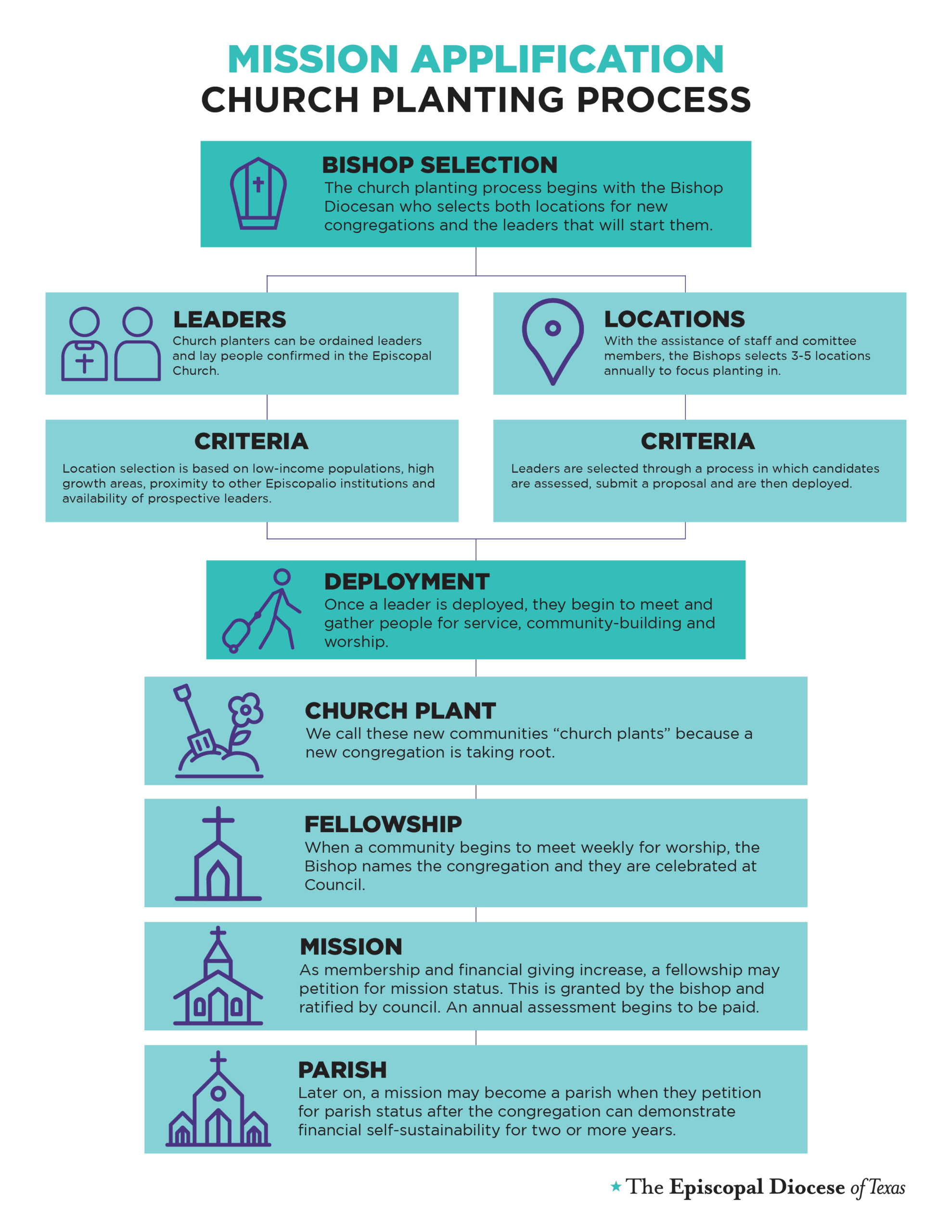
Choosing the right locale for a new church plant can feel like navigating a labyrinth of hopes, prayers, and practical realities. The decision reverberates beyond geography—it shapes community connections, growth trajectories, and the very soul of the mission. Below is a comprehensive guide that walks through each pivotal dimension, offering both a strategic map and a heartfelt compass.
Aligning Location with Sacred Purpose
Before a single map is unfurled, the leadership must articulate the core mission with crystalline clarity. Is the aim to reach the unchurched youth in a bustling downtown corridor, or to nurture families in a suburban enclave yearning for relational depth? By anchoring the location search in the expressed purpose, the team ensures that every subsequent choice resonates with the divine call rather than mere convenience.
In practice, this means drafting a mission charter that details target demographics, desired worship style, and outreach goals. These descriptors become a beacon, filtering potential sites through the lens of alignment. When the site selection feels like an extension of the mission statement, the community will more naturally gravitate toward it.
Demographic Reconnaissance: Reading the People
Demographics are the pulse of a neighborhood; understanding them requires more than numbers. Conduct a geospatial resonance study, mapping age brackets, income strata, marital statuses, and cultural backgrounds. Utilize tools such as census tract data, local school enrollment figures, and even social media analytics to capture an accurate portrait of the potential flock.
Consider the concept of “anthropogenic flux”—the dynamic movement of people throughout the day. A location near a transit hub may capture commuters, while a site adjacent to a park could attract families seeking outdoor fellowship. By visualizing these flows, you can anticipate where the church might become a natural gathering point.
Listen. Short bursts of observation—like noting the rhythm of foot traffic—can reveal hidden opportunities that spreadsheets cannot convey.
Community Resonance: Listening to the Neighborhood
Beyond data, the lived experience of residents offers irreplaceable insight. Host informal gatherings, coffee shop dialogues, or community forums to gauge the spiritual hunger and social needs of the area. Record anecdotes that speak to loneliness, aspiration, or a desire for meaning. These narratives act as a compass, pointing toward where a church plant could become a catalyst for transformation.
Identify existing social fabrics—sports leagues, parent groups, volunteer networks—that could serve as relational bridges. A church that integrates seamlessly with these structures often finds quicker acceptance and deeper impact.
Accessibility and Logistics: Crafting a Welcoming Threshold
The physical ease of entry matters profoundly. Evaluate parking capacity, public transit proximity, and ADA compliance. A site with ample, safe parking reduces friction for families juggling children’s schedules, while a location near a bus line widens reach for those without personal vehicles.
Consider the architectural vernacular: a storefront may feel approachable, whereas a sprawling sanctuary might intimidate. The goal is to create a welcoming threshold—a place where curiosity is invited and community thrives.
Assess utility infrastructure: reliable electricity, heating, and internet connectivity are essential for modern ministries that blend worship with digital outreach.
Competitive Landscape: Mapping the Ecclesiastical Cartography
Analyzing existing churches is akin to reading the terrain before a march. Compile a list of nearby congregations, noting their worship style, size, and doctrinal emphases. Look for gaps—a missed demographic, an underserved area, or a stylistic niche waiting to be filled.
Seek collaboration, not confrontation. Potential partnerships can include shared facilities, joint community projects, or even a sister-church relationship that enriches both congregations. The aim is to complement, not compete, ensuring the new plant fills a genuine void.
Financial and Legal Considerations: Budgeting the Vision
A realistic budget anchors every decision. Compute acquisition or lease costs, renovation expenses, and ongoing operational overhead. Conduct a thorough zoning audit to confirm that the intended use aligns with municipal land‑use regulations. Obtain a preliminary permit checklist to avoid costly surprises later.
Explore funding streams: grants, donor campaigns, and even community‑development loans can provide necessary capital. Transparency with the founding team about fiscal constraints fosters trust and sustainability.
Future Growth and Scalability: Anticipating Expansion
p>Select a site that not only meets present needs but also accommodates tomorrow’s vision. Opt for a location with space for additional classrooms, fellowship halls, or future sanctuary expansions. Analyze the surrounding property market for potential acquisitions, ensuring the church can grow without relocation.
Consider the “parish delineation” concept: envision the geographic boundaries that the church might eventually steward. A site that sits at the heart of a larger district can naturally become a hub for regional ministry.
Spiritual Discernment: Praying for Direction
While data and logic guide the process, the ultimate decision rests on prayerful discernment. Gather the leadership team for a season of fasting, worship, and communal listening. Ask for clarity, peace, and confidence that the chosen location is “the place where God is calling.”
Document impressions, testimonies, and feelings during these gatherings. Often, subtle confirmations—like an unexplained sense of peace or a coincidental meeting with a supportive neighbor—serve as divine endorsements.
By weaving together strategic analysis, community insight, practical logistics, and heartfelt prayer, the journey toward a church plant’s location becomes a story of purposeful discovery. May the chosen site become a beacon of hope, drawing many into the loving embrace of Christ.

