

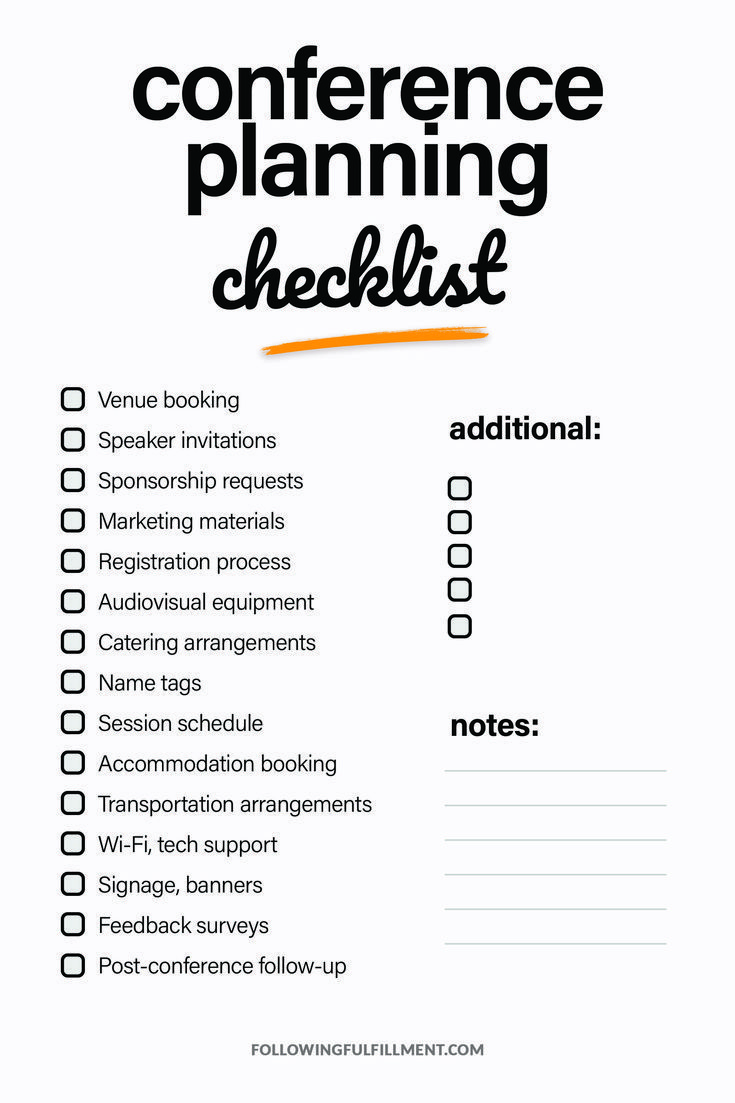
Ever wondered what it would feel like if the sanctuary could double as a bustling hub of inspiration, where every hymn harmonizes with a fresh idea and each handshake carries the weight of communal purpose? Planning a church conference can be a formidable puzzle—blending spiritual nourishment with logistical precision while keeping the faithful engaged and the program thriving.
Clarifying the Vision
Before you set any dates or pick a venue, capture the core purpose of the gathering. Ask yourself: Are you aiming to disciple, evangelize, inspire fellowship, or address a specific community concern? This vision will act as a compass, guiding every decision from speaker selection to décor. Write a succinct vision statement, perhaps a single sentence that can be repeated throughout the planning process, ensuring every team member can recite it like a prayer.
Assembling the Planning Team
No symphony can be performed without a orchestra; likewise, a conference needs a well‑tuned ensemble. Recruit volunteers who bring diverse gifts—administration, hospitality, media, worship, and outreach. Assign clear roles: a coordinator who orchestrates timelines, a budget steward who tracks expenditures, a logistics lead who arranges seating and technology, and a communication director who crafts promotional materials. Conduct regular “rehearsals” (meetings) to align cadence, resolve conflicts, and maintain momentum.
Choosing Date, Time, and Venue
Select a date that avoids major liturgical holidays, school vacations, and community events to maximize attendance. The venue should be both sacred and functional; consider the church’s main hall for plenary sessions and adjacent classrooms for breakout workshops. Verify acoustic quality, seating capacity, and accessibility compliance. A venue that can be transformed—say, with portable stages and flexible seating—offers the adaptability needed to shift from reflective worship to interactive dialogue.
Drafting a Realistic Budget
Financial foresight prevents the conference from becoming a fiscal nightmare. Begin by listing all potential expenses: venue rental (if applicable), speaker honorariums, printed programs, tech equipment, refreshments, and any hospitality costs. Seek sponsorship from local businesses, partner churches, or charitable foundations. Incorporate a contingency reserve—about 10 % of the total—to address unforeseen expenditures. Track every transaction meticulously, using a simple spreadsheet or church management software, and share regular budget updates with the team to foster transparency.
Crafting the Program & Selecting Speakers
The program is the heartbeat of the conference. Blend devotional segments, instructional workshops, and communal activities to sustain an ebb‑and‑flow rhythm. Choose speakers who not only possess doctrinal expertise but also embody the theme’s narrative. Invite a keynote who can narrate personal testimonies, a scholar who can illuminate scriptural insights, and a practitioner who can demonstrate real‑world applications. When scheduling, intersperse high‑energy sessions with reflective pauses—think “communion, coffee, and contemplation.”
Ensuring Logistical Excellence
Behind a seamless experience lies meticulous logistics. Confirm audiovisual needs: microphones, projectors, live‑streaming capabilities, and backup power. Arrange catering that reflects the church’s hospitality—healthy, allergy‑friendly options, and perhaps a signature dish that echoes the conference’s cultural flavor. Prepare name tags, welcome packets, and an onsite registration desk staffed by friendly greeters. For breakout rooms, provide clear signage, seating charts, and any required materials beforehand.
Promoting the Event
An inspired program deserves an equally compelling promotion strategy. Use social media platforms, church newsletters, and bulletin boards to disseminate information. Craft eye‑catching graphics with the conference theme and embed a QR code linking to an online registration form. Encourage early bird registration with a modest discount, fostering a sense of urgency. Leverage word‑of‑mouth by empowering volunteers to invite friends and family, perhaps offering a referral incentive like a free lunch or a commemorative token.
Executing the Day‑Of
When the day arrives, let the planning manifest in calm confidence. Conduct a brief orientation for all volunteers, reinforcing responsibilities and emergency procedures. Have a tech rehearsal an hour before the first session to troubleshoot any glitches. Welcome attendees with a warm greeting, perhaps a short prayer, and a concise overview of the agenda. Throughout the day, maintain flexibility—if a session runs long, adjust the schedule on the fly while preserving the overall flow.
Post‑Conference Reflection & Follow‑Up
After the final benediction, the work continues. Gather immediate feedback through simple surveys distributed via QR code, asking participants to rate content, logistics, and overall experience. Host a debrief meeting with the planning team, identifying strengths to celebrate and areas for improvement. Send thank‑you messages to speakers, volunteers, and sponsors, reinforcing relationships for future endeavors. Finally, archive all documents—budgets, program outlines, promotional assets—so the next conference can build upon the congregation’s institutional memory.

