

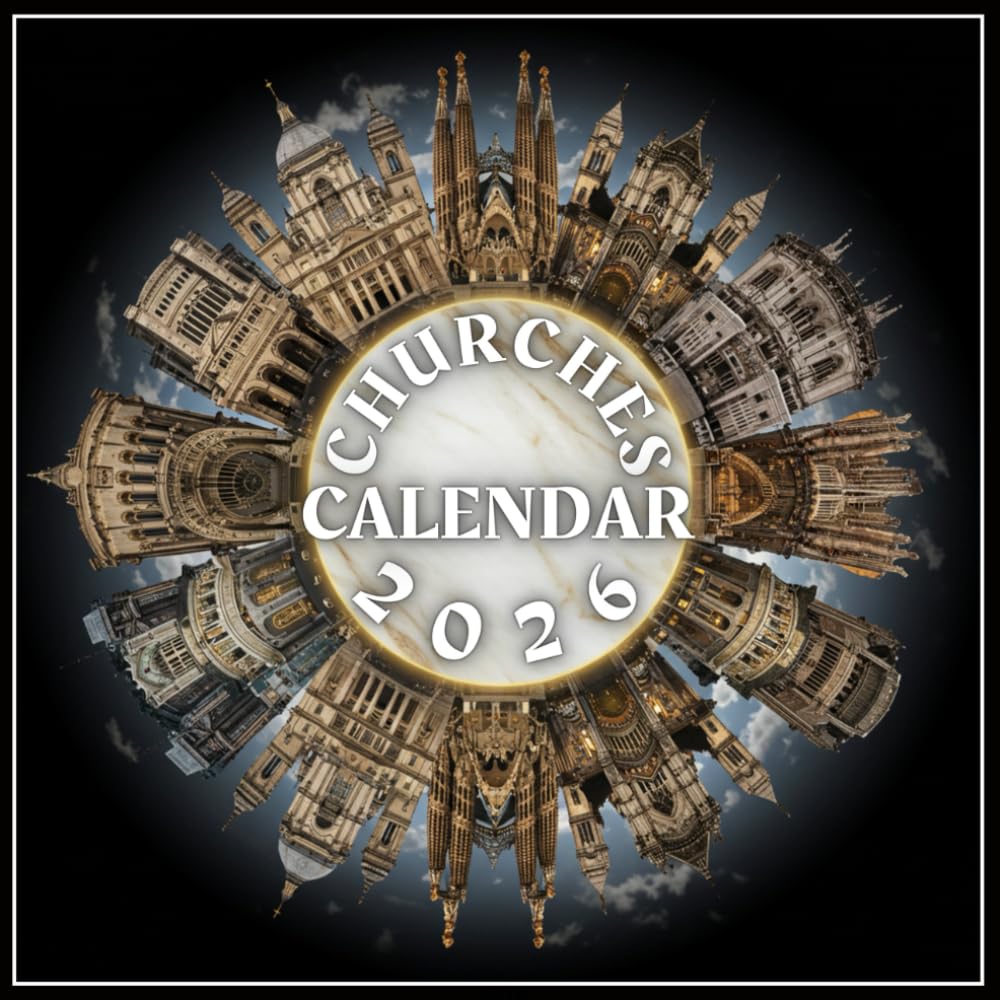
The church of tomorrow is not a building of stone and stained glass, but a living organism—breathing, evolving, pulsing with the heartbeat of a world hurtling toward 2026. As the calendar flips toward a new era, the sacred institution stands at the threshold of transformation, no longer a relic of the past but a compass guiding humanity through the storm of modernity. The future of the church is not a prophecy etched in stone; it is a living dialogue between tradition and innovation, between silence and song, between the eternal and the emergent. This is not merely change—it is a metamorphosis, a chrysalis unfolding into something radiant and unexpected.
The Digital Sanctuary: Where Faith Meets the Algorithm
By 2026, the church will no longer be confined to the four walls of a sanctuary. It will inhabit the digital ether, a sanctuary without borders, where the sacred and the virtual intertwine like vines climbing a digital tower. Virtual reality worship will become as common as Sunday morning services, allowing believers to kneel in a Gothic cathedral or meditate atop a Himalayan peak without leaving their living rooms. AI-driven pastoral care will offer personalized spiritual guidance, analyzing emotional patterns to suggest prayers, scripture, or even music that resonates with the soul’s current state. The church will become a decentralized network of light, where every screen is a window into the divine.
Yet, this digital exodus is not without peril. The risk of spiritual commodification looms large—where faith becomes a subscription service, and grace is measured in likes. The challenge will be to preserve the sanctity of the sacred in a world where attention is the new currency. The church must become a lighthouse in the data storm, not a billboard in the marketplace.
The Ecumenical Renaissance: A Symphony of Traditions
The future church will be a tapestry woven from the threads of diverse traditions, no longer divided by denomination but united by shared purpose. In 2026, we will witness an ecumenical renaissance—a fusion of Eastern mysticism and Western liturgy, of African drumbeats and Gregorian chants, of Indigenous rituals and modern hymnody. The walls between faiths will crumble, not through compromise, but through celebration. Interfaith dialogues will evolve into interfaith symphonies, where theologians, artists, and scientists collaborate to compose a new language of the divine.
This unity will not erase differences but will illuminate them, revealing the common thread that binds all spiritual journeys. The church will become a global choir, each voice distinct, yet harmonizing in a crescendo of shared humanity. The sacred will no longer be a monologue but a polyphony, rich with the echoes of a thousand traditions singing in unison.
The Environmental Gospel: Stewardship as Worship
By 2026, the church will no longer preach stewardship as an afterthought but as the cornerstone of faith. The environmental crisis will be seen not as a political issue, but as a spiritual one—a crisis of the soul. The church will rise as a guardian of the Earth, its pulpits echoing with sermons on climate justice, its congregations planting trees as acts of worship, its buildings powered by renewable energy. The Eucharist will be celebrated with locally sourced bread and wine, a reminder that the body of Christ is not just spiritual but ecological.
This green gospel will extend beyond the church walls, inspiring communities to adopt sustainable practices, from urban farming to zero-waste initiatives. The church will become a sanctuary for the planet, a place where humanity rediscovers its role as co-creators with the divine. The future of faith will be written in the soil, the wind, and the water—each drop of rain a blessing, each ray of sun a benediction.
The Mystical Turn: Faith in the Age of Wonder
As science unravels the mysteries of the cosmos, the church will embrace a new mysticism—a faith that is not afraid of wonder. In 2026, the sacred will be found not just in scripture but in the quantum dance of particles, in the fractal patterns of galaxies, in the symphony of DNA. The church will become a laboratory of the soul, where faith and science engage in a sacred dialogue, each informing the other. Mystical experiences will be studied, not shunned, and the numinous will be celebrated as a bridge between the seen and the unseen.
This mystical turn will also manifest in the arts. Music, painting, and literature will become vessels of the sacred, exploring the divine through the lens of modern creativity. The church will commission works that challenge, inspire, and provoke, transforming the sanctuary into a gallery of the soul. The future of faith will be a tapestry of light and shadow, where doubt and devotion walk hand in hand.
The Inclusive Communion: A Table for All
The church of 2026 will be a house with many doors, where no one is turned away. The communion table will be a symbol of radical inclusion, welcoming the marginalized, the questioning, the doubting, the different. LGBTQ+ individuals will find affirmation, refugees will find sanctuary, and those with disabilities will find accessibility not as an afterthought but as a foundation. The church will become a sanctuary for the outcast, a place where the broken are made whole, and the lost are found.
This inclusivity will extend beyond the church walls, inspiring social justice movements that challenge systemic oppression. The church will stand as a beacon of hope, its voice rising in solidarity with the oppressed, its hands extended in service. The future of faith will be a tapestry of justice, woven with threads of compassion and threads of courage.
The Silent Revolution: Contemplation in a Noisy World
Amidst the cacophony of modernity, the church will become a sanctuary of silence—a place where the soul can breathe. In 2026, contemplative practices will flourish, from silent meditation to labyrinth walking, from centering prayer to digital detox retreats. The church will offer a counter-narrative to the relentless pace of life, a place where time slows, and the heart can listen. The future of faith will be found not in the rush, but in the stillness—the quiet whisper of the divine in the midst of the storm.
This silent revolution will also manifest in the architecture of the church. Buildings will be designed to foster contemplation, with spaces that invite silence, light that filters through stained glass like a benediction, and gardens that offer a place of reflection. The church will become a temple of tranquility, a place where the soul can find its way home.
The future of the church is not a distant dream but a living reality, unfolding with every prayer, every act of kindness, every note of music, every step toward justice. It is a future where faith is not a relic but a revolution—a revolution of love, of wonder, of inclusion, of stewardship. The church of 2026 and beyond will be a beacon of hope, a sanctuary of the sacred, a light in the darkness. It will be a place where the past and the future meet, where the eternal and the emergent dance in harmony. This is not the end of the church; it is the beginning of its most radiant chapter.

