

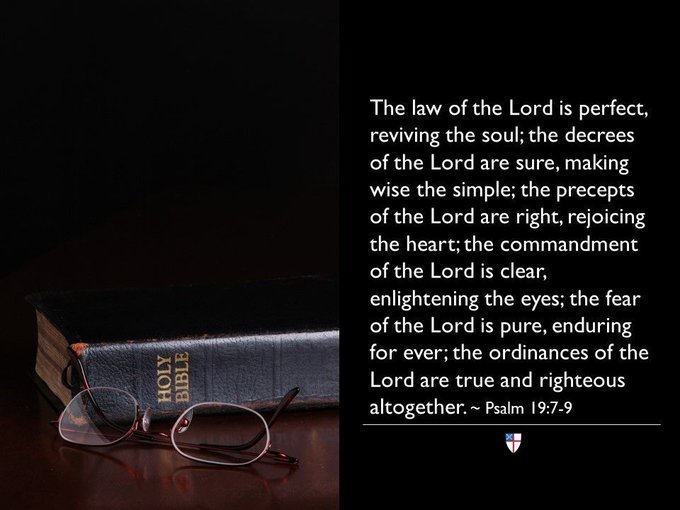
The Episcopal Church, a distinctive branch of the Anglican Communion, possesses a unique relationship with the Bible that shapes its theological identity and liturgical practices. The question, “What Bible does the Episcopal Church use?” delves into an intricate tapestry woven through history, tradition, and community interpretation. Understanding this relationship is not merely a matter of preference but an exploration of how Scripture continues to resonate within the spiritual lives of its adherents.
At the heart of the Episcopal Church’s biblical practices lies the Revised Standard Version (RSV), which has historically been a cornerstone of Episcopal liturgy and study. The RSV is revered for its balance between an accessible modern language and fidelity to the original texts. It serves as a bridge connecting the ancient world of Scripture with contemporary understandings. Furthermore, the 1979 Book of Common Prayer, a seminal document that guides worship within the Episcopal Church, inclusively incorporates readings from the New Revised Standard Version (NRSV), often regarded as the church’s current standard version.
This embrace of the RSV and NRSV reflects an important facet of the Episcopal identity—the commitment to inclusivity. Incorporating various biblical translations allows congregants to engage with the Scriptures in ways that resonate deeply on personal and communal levels. The literary finesse of these translations often serves as a piercing lens through which the divine narrative unfolds, allowing for a multifaceted exploration of biblical texts.
Context plays a pivotal role in the Episcopal approach to Scripture. Like a seasoned artist selecting colors for a new canvas, the Episcopal Church draws distinct hues from various translation traditions. Many Episcopal congregations utilize the Common English Bible (CEB) and the New International Version (NIV) alongside the RSV and NRSV. This diversity not only reflects a commitment to scriptural engagement but also acknowledges the varying backgrounds and spiritual temperaments of its members. Just as different brushes yield unique strokes on canvas, different translations allow individuals to glean diverse insights and meanings from the same sacred texts.
As one navigates the mesmerizing labyrinth of the Episcopal Bible tradition, it becomes essential to recognize the role of the lectionary—an ecclesiastical compass guiding the faithful through the synoptic echoes of Scripture. The Episcopal Church follows a lectionary cycle that spans over three years, unveiling a rich tapestry where New Testament and Old Testament readings converse in profound harmony. This structure underscores the conviction that all Scripture is interwoven, each part illuminating others. The weekly readings form a rhythm that invites congregants into a deeper understanding of the liturgical year, revealing the sacred stories that inform our shared faith journey.
Moreover, the Episcopal Church’s preference for Scripture must be understood in light of its commitment to the Anglican tradition. The Thirty-Nine Articles, foundational to Anglican identity, uphold the authority of Scripture while recognizing the importance of tradition and reason. This triad—Scripture, tradition, and reason—forms a theological kaleidoscope, enriching the Episcopalian approach to biblical interpretation. In this context, Holy Scripture serves not only as the ultimate authority but also as a living document, continually engaging with human experience and ethical dilemmas.
Centrally, the Episcopal Church approaches the Bible not as a mere historical artifact but as a dynamic source of revelation. The metaphor of the Bible as a living river aptly captures this essence—it ebbs and flows, carving new channels through the lives of believers. Each engagement invites fresh interpretations, encouraging parishioners to immerse themselves fully in the depths of Scriptural wisdom. Whether through personal study or communal discourse, the Episcopal Church nurtures this dialogue, fostering a vibrant theological community.
At the crux of this exploration is the call towards contemplation and discernment. The biblical texts serve as mirrors reflecting the complexities of the human condition, inviting introspection and transformation. In contemplating these narratives, individuals confront their own experiences—joys, sorrows, and existential questions—and, in doing so, navigate the delicate balance of faith and reason. The Episcopal Church encourages such reflection, understanding that faith is not a destination but an ongoing voyage, marked by questioning and seeking the divine in every passage.
Additionally, the Episcopal literature that surrounds Scripture—commentaries, devotionals, and theological writings—further enriches the experience. These resources provide a lens through which the ancient words gain new relevance in contemporary society. They stir intellectual rigor while deepening spiritual understanding—two pillars upon which the Episcopal Church is built.
In summary, the Episcopal Church’s relationship with the Bible is multifaceted and rich, characterized by a commitment to inclusivity, tradition, and communal engagement. Through the use of various translations and a dynamic lectionary, the church allows Scripture to speak in varied voices, resonating in the hearts of its members. The tradition of interpreting Scripture through the lenses of reason and experience emphasizes the importance of ongoing dialogue and reflection. Ultimately, the Bible within the Episcopal Church is not just a text to be read but a living river of faith that flows through lives, shaping the narratives of all who seek to understand its depths.

