

The quest for comprehensibility in biblical texts has long been a pursuit for countless devotees and seekers alike. The Bible, renowned as one of the most influential texts in human history, perpetuates a complex tapestry of language, themes, and narratives. However, the intricacies of ancient languages and cultural contexts often alienate contemporary readers. Consequently, the demand for versions of the Bible that elucidate rather than obfuscate has burgeoned. This exploration delineates the various translations available, shedding light on the easiest options for modern readers, while concurrently addressing the diverse types of content they can anticipate engaging with.
To embark on this journey, it is essential to understand the fundamental premise behind biblical translations. The original texts of the Bible were penned in Hebrew, Aramaic, and Greek. As enthusiastic as contemporary believers may be, deciphering these languages is not feasible for the average reader. Therefore, multiple translations have emerged, aiming either for fidelity to the original languages or for readability—a distinction critical in selecting the most accessible translation.
The first translation that demands attention is the New International Version (NIV). Widely cherished for its balance between accuracy and readability, the NIV employs a thought-for-thought translation approach. By prioritizing the conveyance of ideas alongside the original language, it makes biblical passages approachable for those unfamiliar with ecclesiastical jargon. Readers can expect narratives that resonate with contemporary sensibilities, complemented by clear explanations of theological concepts. Each chapter unfolds like a story, inviting reflection and contemplation, making it ideal for both casual readers and earnest students of scripture.
Closely trailing the NIV in popularity is the Contemporary English Version (CEV). Characterized by its informal and straightforward language, the CEV seeks to present biblical content in a way that’s engaging and elementary. Whether you are reading about the life of Jesus or the teachings of Paul, the simplicity of the CEV minimizes daunting theological terminology. It is particularly conducive for young audiences or those new to biblical literature, as difficult passages have been rephrased to eliminate ambiguity. Offering straightforward prose, it is a gateway into the vast theological landscape, devoid of the aridity that often accompanies traditional translations.
In addition to those already mentioned, the Message Bible (MSG) caters to readers seeking a fresh and modern vernacular. It is neither a conventional translation nor a paraphrase but rather an interpretation that attempts to reimagine the biblical text in the contemporary vernacular. This translation embodies the spirit of the original messages, painted with the brushstrokes of modern idiom. Readers will discover scripture threaded through the fabric of today’s culture, allowing them to engage with ancient wisdom in an entirely relevant context. However, while it excels in accessibility, readers should approach this version acknowledging that interpretative liberties have been taken.
Conversely, the New Living Translation (NLT) offers a poignant middle ground. It leans toward a dynamic equivalence approach, elucidating the original meanings while ensuring the text remains fluid and captivating. The NLT provides nuanced narrative structures that breathe life into parables and teachings, allowing for an immersive reading experience. Whether one is contemplating the significance of the Good Samaritan or the philosophical depth of Ecclesiastes, the NLT enables readers to grasp these profound truths without the burden of antiquated phrasing.
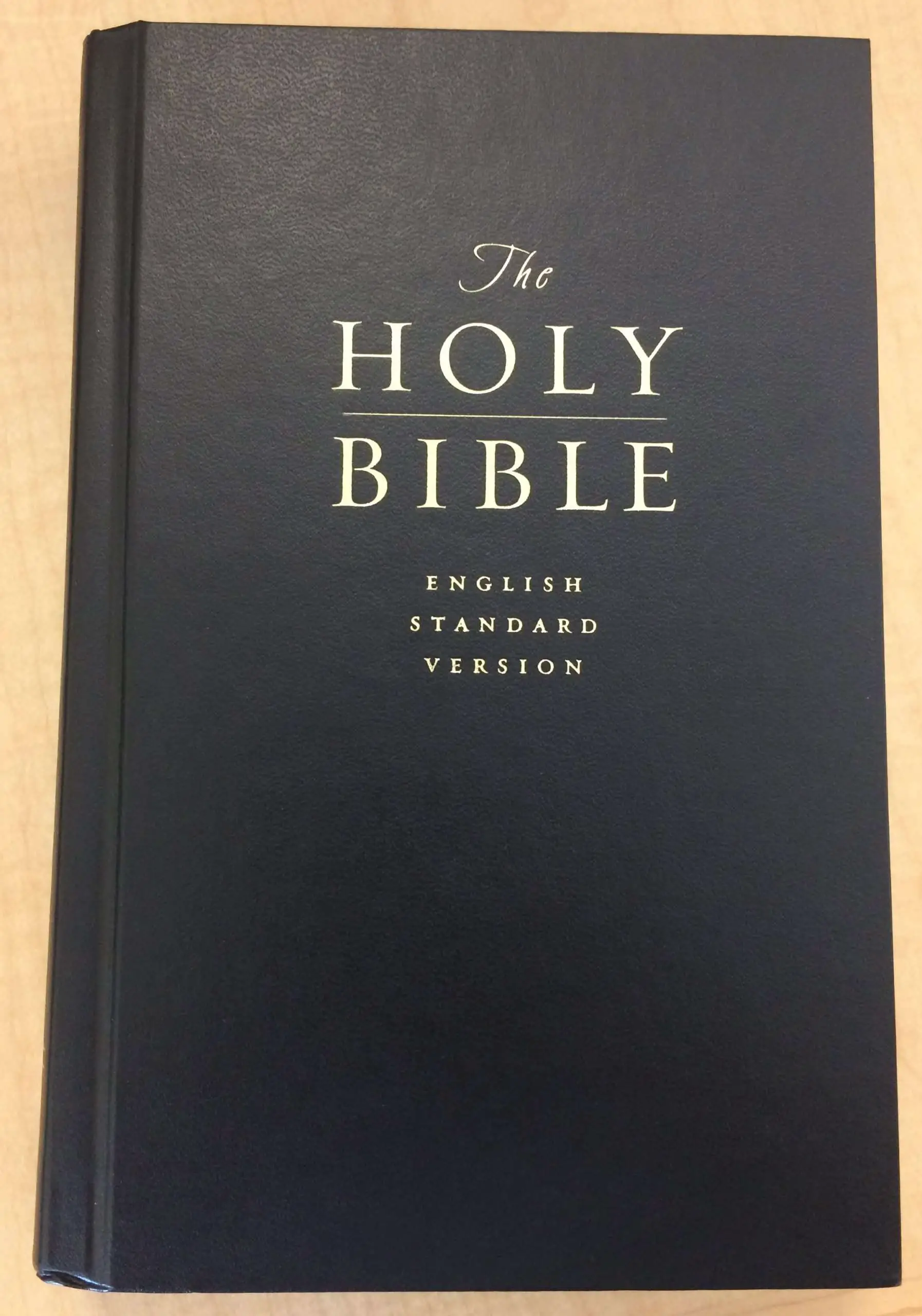
As we transition from translations focused on ease of reading to those that elevate comprehension, we encounter the English Standard Version (ESV). Though it may be slightly challenging compared to others listed, the ESV remains highly regarded for its literary elegance and theological robustness. Readers who approach this version can expect a thoughtful blend of readability and precision. With its reliance on formal equivalence, the ESV encourages deeper contemplation—a tool for those who wish to delve into the layered meanings behind the text while still being accessible to most lay readers.
Another fascinating approach is found in the Common English Bible (CEB). With a commitment to inclusivity, the CEB employs contemporary language while aiming to convey the Bible’s rich heritage. Its creators have sought input from various denominations, leading to a diverse representation in its translation. This version tends to serve a broad spectrum of readers, ranging from the newly converted to long-standing scholars. Each passage invites reflection, making the text relatable while preserving the foundational teachings cherished by believers spanning centuries.
Moreover, for readers who wish to cultivate a deeper appreciation for the scriptural underpinnings of various cultures, the African American Interpretive Translation (AAIT) offers a unique lens. This version synthesizes traditional biblical texts with the cultural idioms of African American communities, imbuing familiar narratives with a context that resonates powerfully within specific audiences. It articulates stories of resilience, faith, and community, allowing readers to witness scripture through an identity-rich perspective.
Ultimately, the journey through these translations reveals not only the nuances of language but also the varied pathways to divine understanding. Each of these versions serves as a reflection of the broader tapestry of faith, inviting readers into distinct yet interconnected narratives. When selecting a Bible for ease of understanding, it is paramount to align personal preferences with the underlying intent of the translation. Whether one’s focus is simplicity, modern vernacular, or deeper theological insights, each iteration presents a unique vantage point from which to explore the sacred text.
In conclusion, the endeavor to comprehend the Bible does not necessitate forsaking depth for simplicity. Instead, it amplifies the power of diverse translations, affirming that understanding scripture spans a rich plurality. Accessible biblical texts empower readers to engage dynamically with timeless teachings, fostering dialogues that transcend generations. As such, selecting the right translation becomes not merely an act of choice but a pivotal step in spiritual enrichment and intellectual exploration.

