

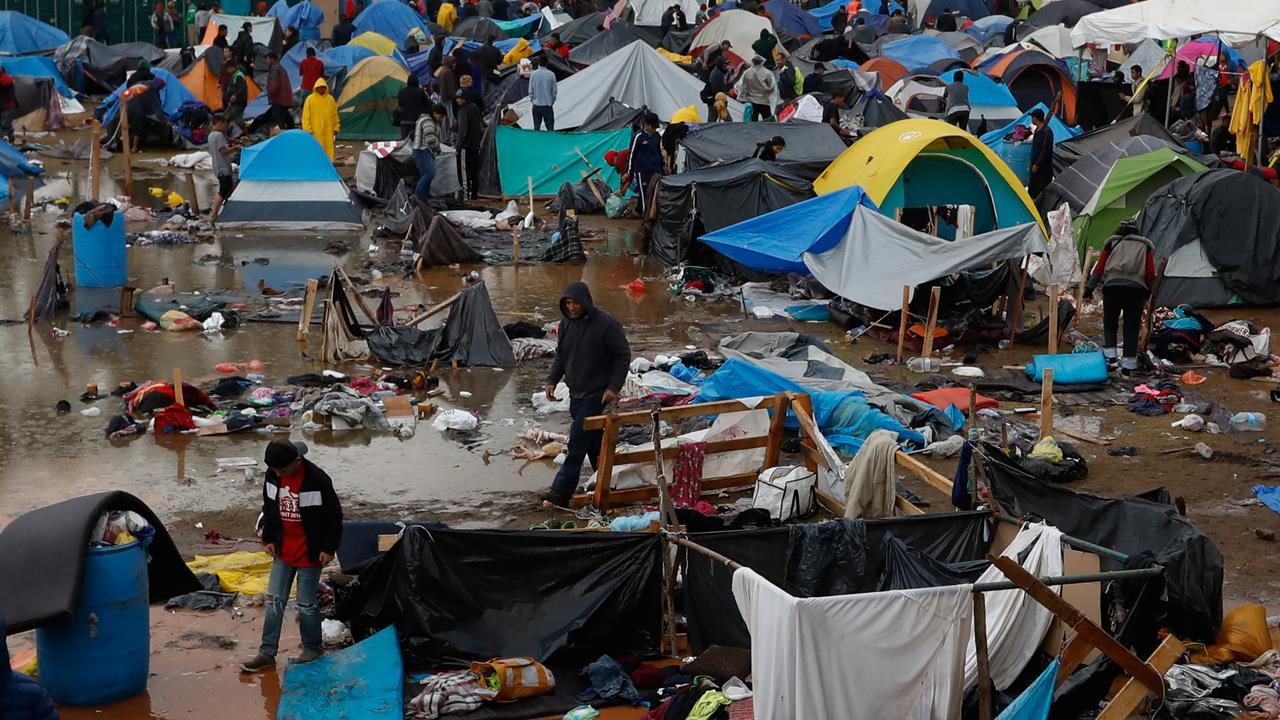
The topic of immigration often incites fervent debate across societies—one that touches on our values, principles, and interpretations of sacred texts. As we ponder the concept of illegal immigration, a question arises: What does the Bible really say about the treatment of immigrants? This inquiry invites us to delve into ancient wisdom while addressing a contemporary issue that perplexes nations worldwide.
The Bible distinguishably regards foreigners and strangers within its pages, emphasizing compassion and hospitality as fundamental virtues. Indeed, throughout the Old and New Testaments, the recurrent theme of loving the sojourner is significant. In the book of Leviticus, for instance, the Israelites are commanded, “When an alien resides with you in your land, you shall not oppress the alien. The alien who resides with you shall be to you as the citizen among you; you shall love the alien as yourself” (Leviticus 19:33-34). Herein lies a philosophical paradox: how do we reconcile these edicts with the modern-day legal frameworks concerning citizenship and migratory status?
At its essence, the Biblical narrative demonstrates an unwavering imperative to extend graciousness towards the outcast and stranger. The prophetic literature resounds with admonitions against systemic oppression. The Hebrew prophets, through impassioned oratory, implored maintaining justice for the marginalized, which includes immigrants. Would it be a stretch to posit that such exhortations call for a reassessment of how contemporary societies approach illegal immigrants? In a world often punctured by division, how do we embody the spirit of ages past in our current practices?
As we transition from the Old Testament to the New, the teachings of Jesus bring another layer to our exploration. He proclaims a radical form of love—one that transcends boundaries. One of the most poignant moments encapsulates this ethos when He recounts the Parable of the Good Samaritan. Herein, the Samaritan—considered an outsider—demonstrates compassion while the priests and Levites fail to heed the call of duty. In this narrative lies a twist: the definition of neighbor extends beyond legal classifications. So, how should we navigate the complex landscape of immigration in light of such teachings?
The New Testament also reinforces kindness towards the stranger. The author of Hebrews reminds us, “Do not neglect to show hospitality to strangers, for by doing that some have entertained angels without knowing it” (Hebrews 13:2). Such exhortations beckon individuals and communities to embrace the stranger, urging expansion of concern and diligence toward those who find themselves “othered” by circumstance or statute. Are we prepared to recognize the sacredness interwoven within these encounters?
In reflecting on these biblical statutes and themes, we confront a challenging juxtaposition with the modern legal rhetoric surrounding illegal immigration. While many advocate for stringent adherence to laws, the biblical narrative impels us to consider the humanitarian aspect—often overshadowed by the plea for order and security. Could the application of love and acceptance surpass the mere legality of a situation? As we scrutinize policies, we might ask ourselves: does justice exclude mercy?
Nevertheless, the multitude that seeks refuge or improved prospects often faces adversity. They are frequently dehumanized and depicted through a lens of suspicion. The call to view immigrants through a compassionate lens stands imperative. As individuals evaluate their perspectives, it serves beneficial to integrate scripture into our discussions. What if we imagined our communities infused with the ethos of inclusion rather than exclusion? Will we allow the biblical principles of love to resonate through our societal frameworks?
Furthermore, the discourse surrounding illegal immigration is often steeped in moral quandary, a terrain laden with complexity. For instance, the statistics paint a stark picture—many illegal immigrants arrive as desperate individuals fleeing violence, poverty, or injustice. How do we, as moral agents, reconcile our ethical obligation to protect these vulnerable populations whilst navigating practical concerns about laws and resources? This dilemma offers fertile ground for contemplation.
Moreover, the pursuit of justice, often portrayed as a balance between legality and morality, can diverge from biblical teachings when devoid of compassion. In the context of illegal immigration, the challenge arises: how can a nation remain true to its laws while embodying a spirit of benevolence? The interplay of mercy and justice raises the stakes—an invitation to rethink punitive measures that can often be harsh and unforgiving. Will we heed the biblical call to combine righteousness with mercy?
Ultimately, the American ethos has long cherished the notion of being a land of opportunity—a sanctuary for the oppressed and disenfranchised. The biblical tenets promulgate the same: abundant grace for those who seek a better existence. As nations grapple with the realities of illegal immigration, a productive pathway might arise from empathy rooted in scripture, coupled with an acknowledgment of humanity. Could we foster dialogue that values the intrinsic dignity of every individual, irrespective of their legal status?
In conclusion, while the notion of illegal immigration remains contentious, the Bible consistently evokes a gentle nudge towards kindness and understanding. By dismantling barriers of prejudice and choosing compassion, we create an inclusive paradigm that reflects the essence of these teachings. The task ahead invites us to open our hearts and re-envision our narratives. Shall we not tread boldly into this moral landscape, guided by love and wisdom?

