

The bullock, a term deeply entrenched in the tapestry of biblical narratives, emerges as a symbol that intrigues and elucidates various aspects of divine encounters and human existence. Within the pages of scripture, this majestic creature serves multiple functions—ranging from a sacrificial offering to a representation of strength and labor. The rich symbolism attached to the bullock imparts profound lessons and captivating imagery, making it an essential figure in biblical theology.
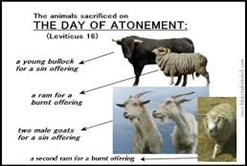
First and foremost, it is essential to consider the sacrificial role of the bullock in ancient Israelite culture. The term often refers to a young bull, particularly one that has not been castrated. In the realm of religious ceremonies, the bullock takes center stage as an offering to God. This act of sacrifice exemplifies humanity’s approach to atonement, bridging the chasm between the divine and the mortal. The ritualistic slaying of the bullock, coupled with its subsequent consecration, signifies a profound submission to divine will—a notion that reverberates through theological discourses.
Equally captivating is the metaphorical significance of the bullock. In the metaphorical realm, this creature dances on the precipice of duality—representing both a formidable force and a humble servant. The bullock embodies the idea of “bearing burdens,” a powerful notion that resonates within the larger schema of life’s trials and tribulations. Just as the bullock labors in the fields, so too do humans contend with their daily struggles, finding solace in the knowledge that fortitude can lead to redemption and spiritual growth. This duality makes the bullock an enchanting metaphor for the journey of life, wherein strength and servitude converge to forge character.
In addition to its sacrificial and metaphorical significance, the bullock is mentioned in the context of divine instruction. In Leviticus, specific guidelines surrounding the offerings of bullocks provide insight into the meticulous nature of worship during that era. The detailed instructions encompass aspects such as age, condition, and the process of offering—underscoring the notion that approaching the divine necessitates both reverence and preparation. This delicate interplay between adherence to divine law and the act of giving serves to heighten the unique appeal of the bullock as a gateway to understanding humanity’s relationship with the divine.
Furthermore, the imagery of the bullock transcends mere symbolism; it encapsulates a visceral connection to the earth and the agrarian lifestyle that permeated biblical times. The sight of a bullock in a sun-drenched field evokes an undeniable simplicity and purity—qualities that many yearn to recapture in today’s fast-paced world. In this manner, the bullock becomes a beacon of nature’s tranquility, urging individuals to reconnect with the fundamental aspects of life that nurture the spirit and encourage contemplation.
As we traverse the broader narrative of the Bible, the bullock weaves its way through the stories of sacrifice, divine intimacy, and human struggle, inviting readers to reflect on their spiritual pathways. Its presence reminds us that strength does not solely lie in power, but can also manifest through humility and surrender. In this sense, the bullock is more than a mere livestock; it is a living allegory, an embodiment of the complexities inherent in the quest for meaning and spiritual fulfillment.
In summary, the bullock forms a captivating motif in the Bible, representing sacrifice, metaphoric strength, and an invitation to engage with the Divine. Its various roles provide rich material for reflection and contemplation, fostering a deeper understanding of the human condition and our enduring relationship with the sacred. As we ponder the significance of the bullock, we might find ourselves inspired to acknowledge our struggles, embrace our strengths, and seek a life that harmonizes labor with grace.

