

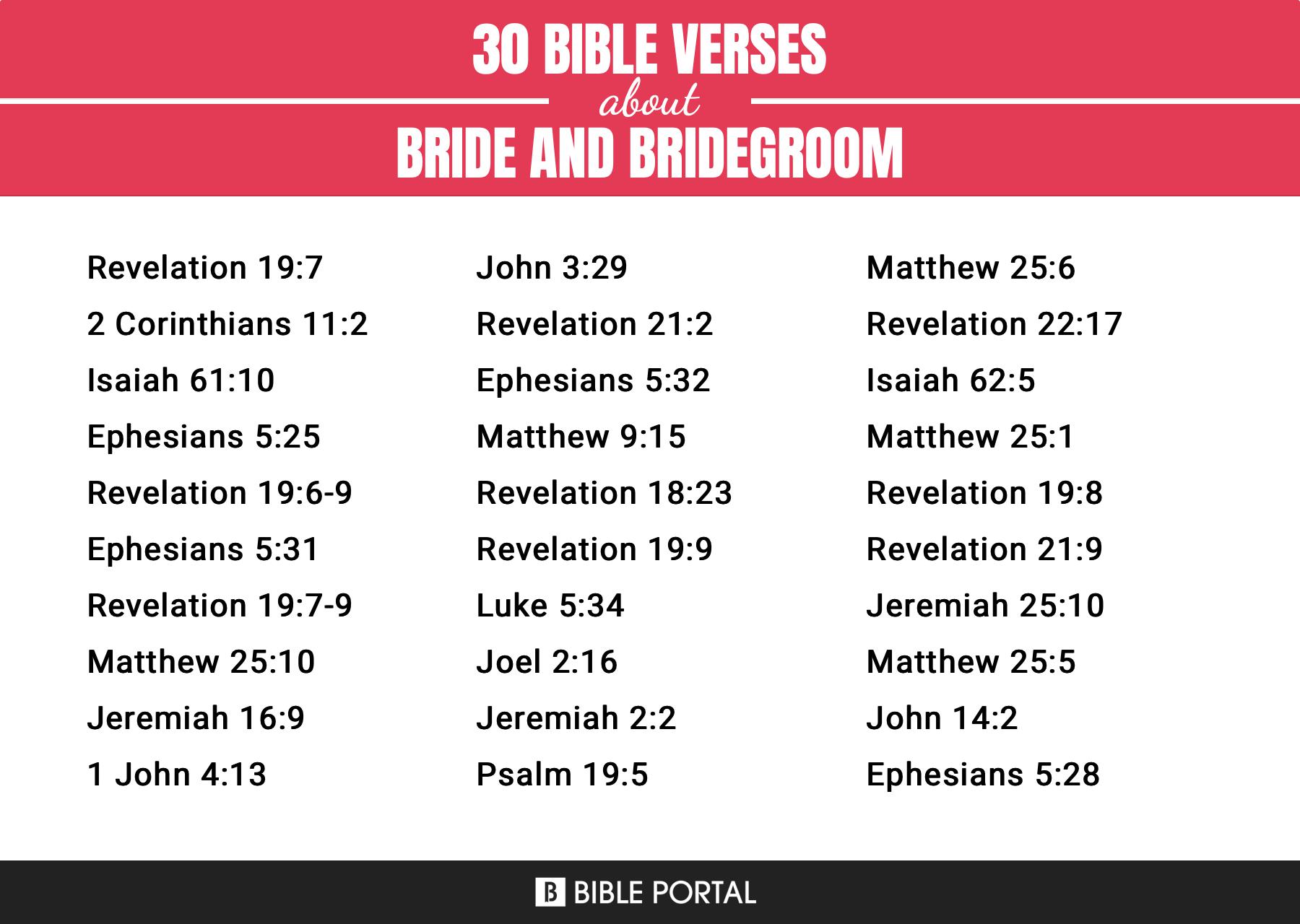
The concept of the bridegroom, as represented in the Bible, is both multifaceted and rich with theological implications. This term encapsulates not only the literal figure in matrimonial settings but also serves as a profound symbol of divine love and commitment. Throughout Scripture, the bridegroom is depicted in various contexts, illuminating the nature of God’s relationship with humanity and the anticipated union of Christ with the Church.
Primarily, the bridegroom is understood in the context of marriage, reflecting the customs and traditions of ancient Hebrew culture. In biblical times, marriages were elaborate affairs, often negotiated by families and celebrated with great festivity. The bridegroom, as the male partner, signifies strength, protection, and leadership within the union. The joyous celebration of a wedding feast is vividly illustrated in parables, emphasizing the anticipation and fervor surrounding this sacred bond.
One notable illustration is found in the Gospel of Matthew, where Jesus compares the Kingdom of Heaven to a wedding feast. In Matthew 22:2, He tells the parable of a king who prepares a wedding banquet for his son, vividly painting a picture of divine invitation and grace. The bridegroom in this narrative symbolizes Christ, illustrating how He invites all to partake in the joys of His Kingdom, and the guests’ responses reveal the diverse attitudes toward this divine calling.
Moreover, the bridegroom motif transitions from its earthly implications to a more ethereal representation in the New Testament. Jesus Christ is frequently referred to as the bridegroom, establishing a spiritual connection to the Church, which is depicted as His bride. This profound metaphor conveys themes of love, sacrifice, and intimacy. In Ephesians 5:25-27, the apostle Paul articulates this relationship, exhorting husbands to love their wives as Christ loved the Church, showcasing the sacrificial aspect of the bridegroom’s love.
Intimately connected with this relationship is the eschatological aspect of the bridegroom. The parable of the ten virgins in Matthew 25 serves as a poignant reminder of preparedness and vigilance in awaiting the return of Christ. The imagery of bridesmaids waiting for the bridegroom to arrive illustrates the anticipation of His second coming, emphasizing the importance of faithfulness and readiness among believers. This parable highlights the symbolic meaning of the bridegroom as not merely a figure of celebration but as a reflection of divine promise and hope.
The Old Testament also provides a deeper understanding of the bridegroom through the relationship between God and Israel. In the prophetic literature, God is often portrayed as a bridegroom who desires an intimate relationship with His people, calling them to faithfulness and devotion. For example, the book of Hosea depicts God’s unwavering love toward an unfaithful Israel, showcasing the tender aspects of the bridegroom’s heart despite betrayal.
Furthermore, the bridegroom metaphor extends beyond mere romantic or marital connotations. It embodies themes of redemption, covenant, and unwavering commitment. In this light, the bridegroom represents the hope and yearning for a perfect union, both in earthly relationships and the ultimate communion between God and His creation. The celebration of the bridegroom transcends time, offering believers an enduring symbol of love that aligns with the divine narrative of redemption and grace.
In summary, the biblical concept of the bridegroom encapsulates a spectrum of meanings that enrich the understanding of relationships, divine love, and spiritual longing. From the joyous celebrations of ancient marriages to the profound allegories of Jesus as the bridegroom, this symbolism invites further contemplation of the beauty intertwined within divine and human relationships. Thus, engaging with the bridegroom motif provides a deeper appreciation for the biblical narrative, illustrating both the temporal and eternal dimensions of love.

