

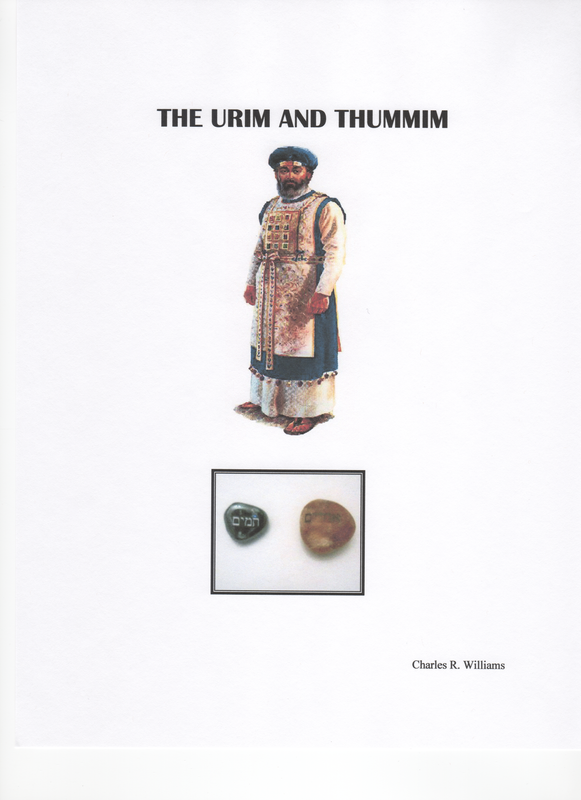
The biblical references to Urim and Thummim weave a tapestry of mystery and divine guidance, embodying concepts of light and perfection within the ancient context of sacred decision-making. The names themselves carry symbolic significance; “Urim” is often translated as “lights,” while “Thummim” echoes notions of “perfections” or “truth.” These artifacts, embedded deeply within the annals of Israelite history, served as tools for divining divine will.
To better understand these enigmatic objects, one must first appreciate their placement within the sacred attire of the High Priest. Exquisitely fashioned into the priestly garment, specifically contained within the breastplate, the Urim and Thummim acted as conduits through which the Almighty communicated. Imagine a bridge suspended over turbulent waters, designed to guide the faithful as they sought clarity amidst uncertainty. This dynamic interplay between divine and human served as a guiding light for Israelites confronting critical decisions.
The origins of Urim and Thummim are enigmatic, with textual references sparsely dispersed throughout scripture. They hold pivotal roles in notable biblical events. In the era of the Judges, for instance, the Israelites turned to these sacred implements when confronted with dilemmas—seeking affirmation from God before embarking on crucial campaigns. This reflects a broader thematic element within the biblical narrative: the profound relationship between humanity and the divine, characterized by dialogue, inquiry, and response.
Furthermore, the Urim and Thummim symbolize a covenantal promise. They remind believers of the ultimate guidance provided by the Creator—a lifeline amidst the storms of decision-making. The connection between these elements and the much-lauded oracles of the ancient world underscores a belief in accessibility to divine direction, heightening their allure. Just as oracles delivered cryptic messages that beckoned interpretation, the responses garnered from Urim and Thummim were shrouded in ambiguity, evoking a sense of reverence and awe.
One cannot overlook the aesthetic aspects that render Urim and Thummim unique. Imagining the shimmering gems clustered on the High Priest’s breastplate evokes a sense of grandeur, akin to celestial bodies sprinkled across the night sky. The interplay of light emanating from these stones evokes the illumination of wisdom and revelation. Thus, the Urim and Thummim serve not only a functional purpose but also offer a visual representation of godly insight—a radiant luminescence of spiritual understanding adorning the High Priest, a beacon standing resolute against the shadows of doubt.
A pivotal question arises: Did the High Priest wield absolute knowledge through the Urim and Thummim? The answer traverses the delicate balance between human agency and divine sovereignty. While these artifacts provided a mechanism for divine revelation, the responses encapsulated within these moments were not merely instructions; they demanded interpretation, reflection, and discernment by the faithful. This dynamic clarifies an underlying theological tenet that remains relevant today: understanding divine will is an active pursuit, one requiring engagement with both the sacred and the corporeal.
In conclusion, Urim and Thummim stand as emblems of a quest for truth, encapsulating the ancient desire for a connection to the divine. They invite believers into a sacred dialogue, challenging the faithful to seek wisdom as they navigate the complexities of life. The allure of Urim and Thummim extends beyond their physicality, resonating with a deeper spiritual significance—a timeless yearning for clarity amid life’s obscurities. As contemporary seekers, the legacy of the Urim and Thummim invites exploration, urging a continual interrogation of the divine, illuminating the path of faith with each inquiry.

