

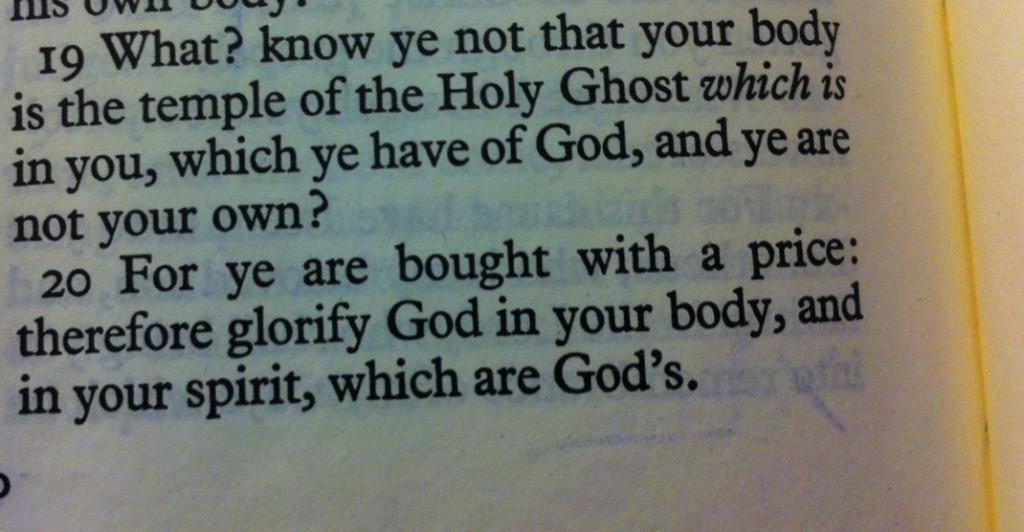
The concept of the Holy Ghost, or Holy Spirit, is one of the most profound and enigmatic themes woven throughout the fabric of the Bible. This ethereal entity, often depicted as a dynamic force, epitomizes the link between the divine and humanity. The promise of the Holy Ghost is imbued with transformative potential, compelling believers to shift their perspective on spiritual existence.
To delve into the depths of biblical scripture regarding the Holy Ghost, one must first confront its multifaceted nature. The Holy Ghost is not merely an abstract notion, but a vital participant in the divine triad of Father, Son, and Holy Spirit. Its presence is marked by divine intervention, guidance, and empowerment, serving as a tangible reminder of God’s abiding presence among His people. In the New Testament, particularly in the Book of Acts, the Holy Ghost manifests as an energetic force during Pentecost, sparking an era of fervent faith and profound change.
God’s promises regarding the Holy Ghost emerge prominently in the teachings of Jesus. In the Gospel of John, Jesus reassures His followers of the coming of the Advocate, often referred to as the Comforter. This promise illuminates not just a future event but signifies an ongoing relationship between humanity and the divine. The Holy Ghost serves as a guiding compass, providing solace, wisdom, and assurance amid life’s tumultuous storms.
Throughout the scriptures, the Holy Ghost is depicted as a source of inspiration and revelation. In the Old Testament, the Spirit of God was present at the creation of the world, signifying its essential role in the genesis of life itself. The often-unseen movement of the Holy Spirit can incite profound emotional and spiritual experiences, transforming individual lives and entire communities. This transformative nature invites both skepticism and curiosity, challenging believers to explore the boundaries of faith and understanding.
The Holy Ghost also empowers believers to fulfill their divine purpose. Spiritual gifts, such as wisdom, healing, and prophesy, are conferred through the Holy Spirit, enabling individuals to serve others and glorify God. These gifts are not merely for personal edification but foster communal unity and demonstrate the benevolence of God’s kingdom. The apostle Paul highlights this in his letters, reaffirming that the diversity of gifts serves a singular mission—edifying the body of Christ.
Moreover, the Holy Ghost plays a pivotal role in the sanctification of believers. This transformative process is not instantaneous, but rather a continual journey of growth and renewal. Through the influence of the Holy Spirit, believers are equipped to discern truth from falsehood, cultivating a lifestyle reflective of Christ’s teachings. This intrinsic relationship fosters a profound sense of peace and purpose, ultimately leading to selfless living and compassion toward others.
The transition from doubt to faith can often feel insurmountable; however, the promise of the Holy Ghost illuminates the path forward. It beckons believers to engage in prayer, contemplation, and openness to the Spirit’s leading. The capacity to witness divine workings in the mundane can shatter preconceived notions of spirituality. The Holy Ghost invites an exploration into the mystical, urging individuals to embrace the extraordinary dimensions of faith.
Ultimately, an understanding of the Holy Ghost transcends theological dogma. It encompasses the assurance of divine companionship, the empowerment to live out one’s calling, and the transformative power to cultivate a new perspective on life. Engaging with the Holy Spirit not only enriches spiritual journeys but profoundly alters the narrative of existence itself, urging a perpetual quest for the divine. In recognizing the indelible influence of the Holy Ghost, one may be compelled to ask: How does this promise resonate in our lives today, and what revelations await those willing to explore this divine interaction?

