

The Sabbath, a term that resonates throughout the scriptures, signifies a divine rest, a day set apart for reflection and rejuvenation. It holds profound significance in both the Judeo-Christian traditions, serving as a cornerstone for the spiritual lives of millions. This article delves into the biblical foundations of the Sabbath, exploring its origins, its observances, and its enduring relevance.
To fully grasp the gravity of the Sabbath, we must journey back to the genesis of creation. The Book of Genesis articulates that God culminated His creative work in six days, resting on the seventh. This act of rest is not merely a cessation of work but an invitation for humanity to pause, reflect, and engage in a deeper communion with the Creator. “And God blessed the seventh day and made it holy,” encapsulates the essence of the Sabbath as a sacred time, set apart from the mundane rhythm of life.
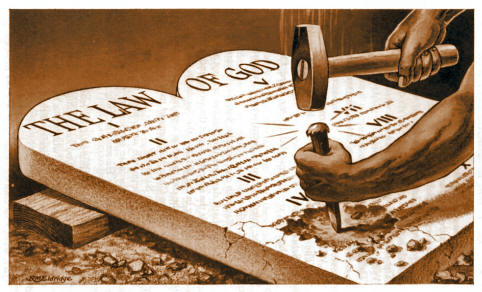
The Decalogue, or Ten Commandments, further elucidates the significance of the Sabbath. Found in Exodus 20:8-11, it commands believers to “Remember the Sabbath day, to keep it holy.” This injunction emphasizes not only the act of resting but also the importance of remembering the Sabbath’s meaning— a restoration of the spirit and a time for familial bonds. The Sabbath offers a reprieve from the relentless cycles of labor, allowing individuals to engage in prayers, worship, and community gatherings.
Across different cultures and denominations, the Sabbath manifests in various forms, but its core principle remains unwavering— a dedicated day for spiritual enrichment. For instance, in Judaism, the Sabbath begins at sunset on Friday and ends at nightfall on Saturday. This practice includes a series of rituals, such as the lighting of candles, sharing meals, and reciting blessings. These customs create a tapestry of communal and familial experiences, creating a sanctuary where the sacred intersects with the everyday.
In Christianity, the practice of observing the Sabbath has evolved. Traditionally celebrated on Sunday, this day has transformed into a time for congregational worship, reflection, and fellowship. The resurrection of Jesus Christ is central to this observance, imbuing Sunday with a deeper significance as a day of victory and hope. Christian observances often include attending services, participating in communal prayers, and engaging in charitable acts, embodying the essence of love and service that Jesus espoused.
Moreover, the New Testament introduces a nuanced understanding of the Sabbath. Jesus’ actions on this day often ignited discussions about legalism versus spirit. He challenged prevailing interpretations by healing and performing good deeds, positing that “The Sabbath was made for man, not man for the Sabbath.” This revolutionary perspective invites believers to view the Sabbath not as a rigid set of rules, but as a liberating opportunity for generosity, kindness, and healing.
In an era characterized by relentless hustle, the lessons of the Sabbath echo with renewed urgency. It serves as a reminder of the need to cultivate balance in our lives. The Sabbath district encourages a day where technology is set aside, allowing individuals to reconnect with their inner selves and with those closest to them. Through practices such as meditation, reading, and nature walks, the Sabbath becomes a restorative oasis amidst the chaos of contemporary living.
In closing, while the observance of the Sabbath may differ across faith traditions, its foundational intent remains consistent: to create a designated time for rest, worship, and renewal. The Sabbath calls individuals to step back from the frenetic pace of life, urging them to reflect on their relationship with God, their community, and themselves. Whether viewed through the lens of history, ritual, or personal practice, the Sabbath endures as a vital aspect of spiritual existence, one that continues to inspire and guide humanity through the ages.

