

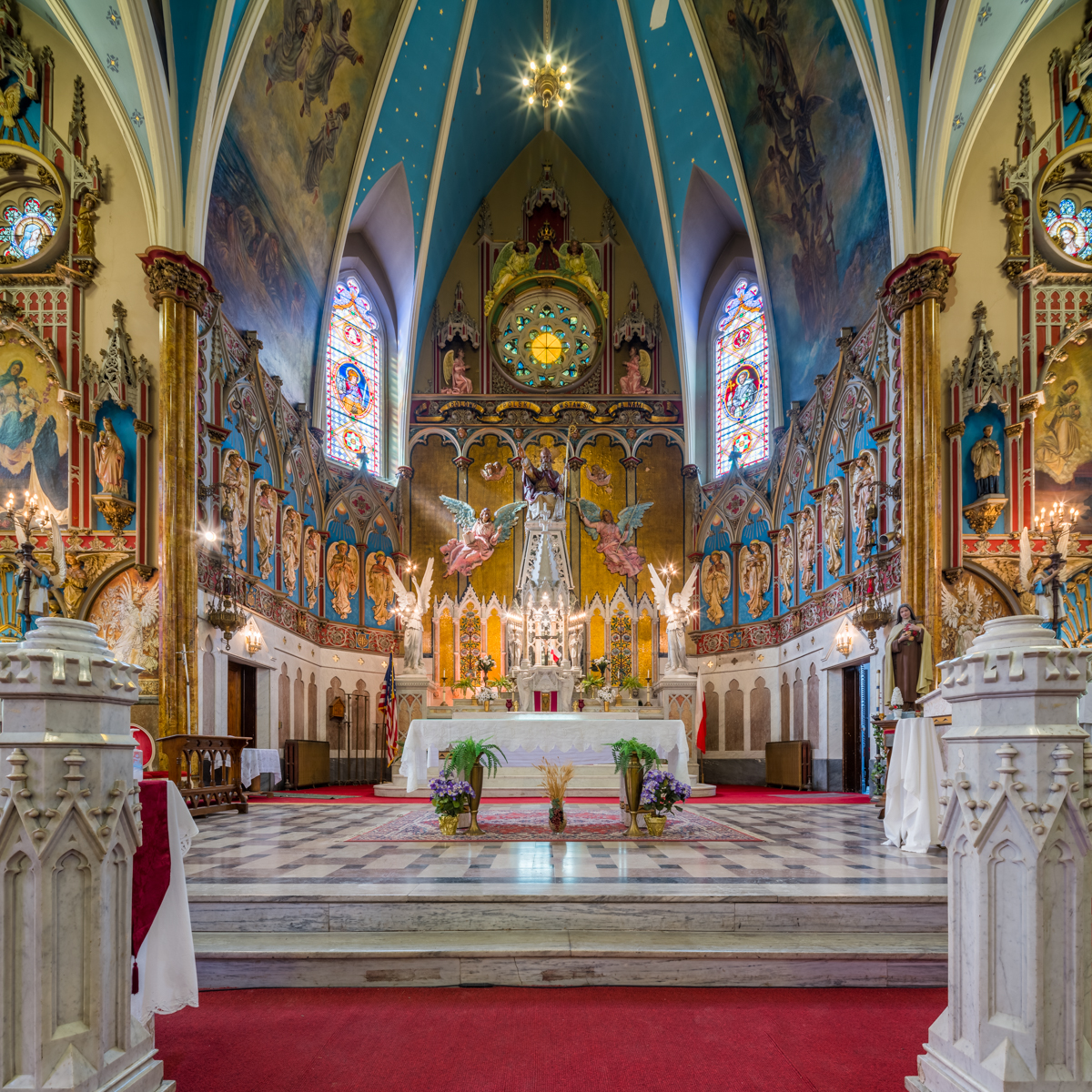
The Church of England, a significant spiritual institution with deep historical roots, was formally established in the early sixteenth century, a period unequivocally marked by both theological upheaval and political ambition. The tug-of-war between divine authority and royal sovereignty during this era forged a new ecclesiastical identity, characterized by its distinct doctrines and practices, diverging from the teachings of the Roman Catholic Church. The genesis of the Church of England stands as a prime exemplar of how faith and governance can intertwine, creating a tapestry rich with both spiritual significance and temporal power.
The seeds of the Church of England were sown in the fertile ground of the Protestant Reformation—a movement that swept across Europe, challenging the long-standing dominance of the Catholic Church. In the early 1500s, discontent simmered among the laity and clergy alike, as abuses and corruption within the Church became glaringly obvious. The voices of reformers like Martin Luther and John Calvin gained traction, emphasizing a return to biblical texts and a more personal form of faith. This clerical unrest echoed through England, where calls for reform germinated among thinkers and theologians.
Central to the establishment of the Church of England was the figure of King Henry VIII, a monarch whose tempestuous personality and insatiable appetite for power propelled England into a new religious era. Denied an annulment from his first marriage to Catherine of Aragon by Pope Clement VII, Henry’s frustration was both personal and political. The refusal to dissolve this union meant more than a mere marital dispute; it was emblematic of the Pope’s authority over English matters. In a moment akin to a storm breaking upon the shores, Henry’s aspirations collided with papal power, resulting in his fateful decision to reclaim sovereign authority over the Church in England.
In 1534, Henry VIII enacted the Act of Supremacy, which declared him the Supreme Head of the Church of England. This pivotal act not only severed ties with Rome but also enshrined the idea that the king’s will held precedence over ecclesiastical decree. It can be likened to a river diverting its course, forcing all tributaries downstream to follow its new pathway. Where once England’s spiritual tributaries flowed into the Roman Catholic Church’s vast ocean of influence, they now began to nourish a nascent stream of Anglicanism.
In the subsequent years, the Church of England underwent profound transformation, merging elements of Catholic liturgy and Protestant ideology. The Edwardian reforms, spearheaded by Henry’s son Edward VI, further pushed the Church toward Protestantism, introducing the Book of Common Prayer, which sought to democratize worship through the use of the English language. This change made the liturgy accessible, inviting the laity to engage in practices once veiled in the Latin tongue. It was a deliberate act of illumination, akin to pulling back heavy curtains to reveal the vibrant life of faith within the Church.
Yet, the path was not straightforward. The pendulum of religious belief swung violently under subsequent rulers. Mary I’s accession heralded a return to Catholic dogma, driving those who had embraced the reforms into cautious insularity. The period was rife with persecution, characterized by the fiery executions of reformers who were steadfast in their newfound convictions. The fervor of this era was nothing short of Shakespearean, a drama of tragic and comic proportions, wherein faith became a matter of life and death.
With the last Tudor monarch, Elizabeth I, came a renaissance of Anglican identity—a settlement that sought to stabilize the ecclesiastical landscape of England. The Elizabethan Religious Settlement of 1559 balanced Catholic traditions with Protestant reforms, establishing a via media, or middle way. It was a kaleidoscope of faith, reflecting both ancient rites and emerging religious thought. Elizabeth’s grasp on the crown was as much about politics as it was about governance; a strong Church of England was vital not only for spiritual cohesion but also for the political unity of her realm.
The Church of England thus emerged as a reflection of its sovereign—a unique entity that married the sacred to the secular. Its doctrines were forged under the weight of royal decree, and yet they evolved through the fervent expressions of the believers who shaped its path. This intricate relationship between faith and politics highlights the Church as more than just a religious institution; it became a bedrock of national identity.
In exploring the creation of the Church of England, one uncovers the underlying theme of struggle—both spiritual and political—illustrating how faith can flourish even in the shadows of discord. The genesis of this institution was driven not merely by doctrinal disputes, but also by an undeniable human desire for autonomy and connection to the divine. The Church’s evolution reflects a mosaic of experiences, each piece contributing to a broader narrative of resilience and transformation, shaping the beliefs and practices that endure to this day.
In summary, the foundation of the Church of England is intricately woven into the fabric of royal ambition and the fervor of the Reformation. It stands as a testament to the power of faith to adapt and overcome, navigating through turbulent waters to establish a legacy that is both profoundly spiritual and heavily influenced by the hands of kings and queens. The Church emphasizes a journey marked by conflict and resolution, ultimately enshrining the belief that faith, in its many forms, persists regardless of the trials that seek to undermine it.

