

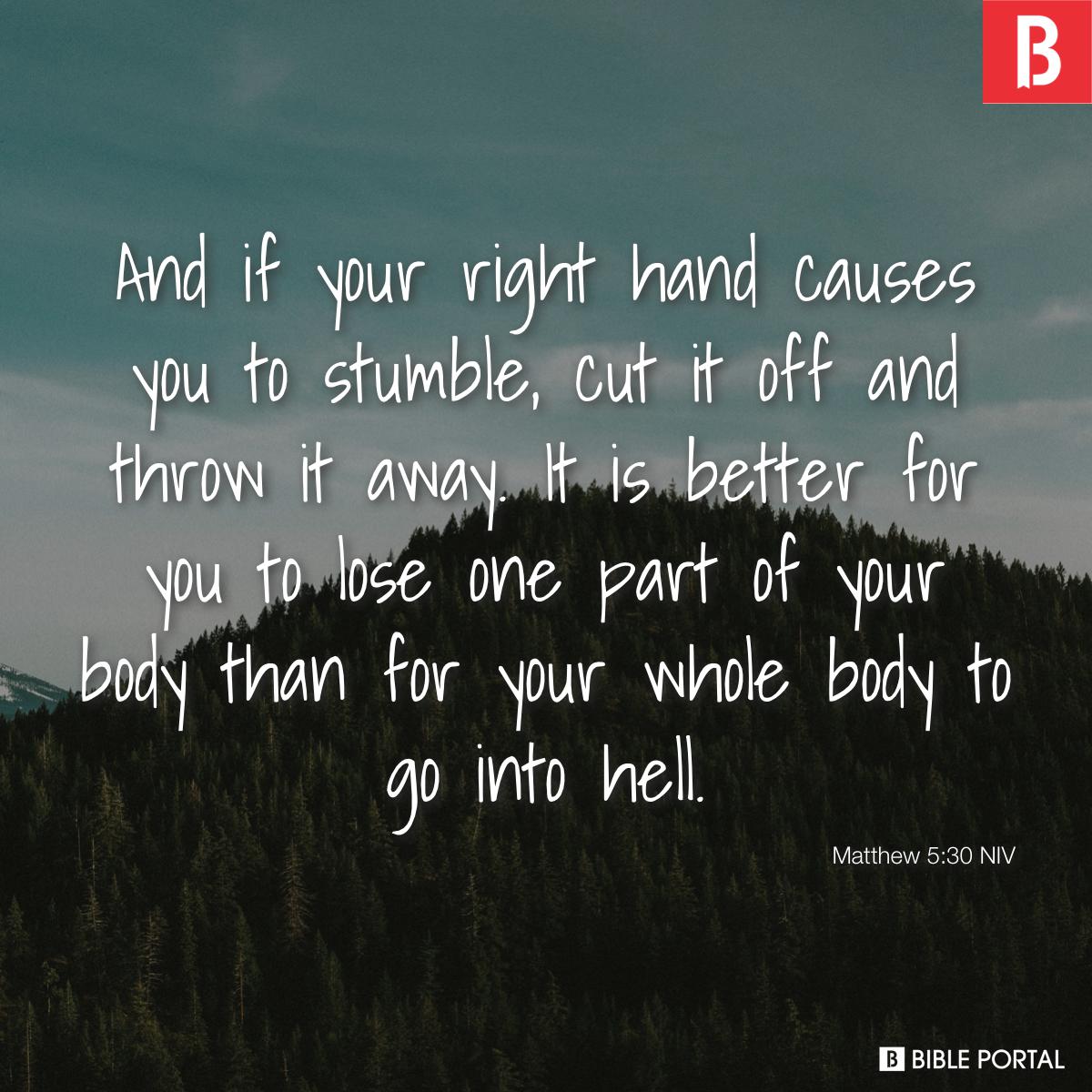
The discourse surrounding masturbation is often laden with cultural, religious, and personal biases. Within Christian communities, particularly, the subject evokes a spectrum of opinions and sentiments. So, what does the Bible actually say about masturbation? While the Scriptures do not address the act explicitly, revelatory insights can be drawn from various biblical principles that shed light on this contentious issue. This analysis aims to provoke thought and promote a more nuanced understanding of masturbation through the lens of biblical doctrine.
To begin, it is essential to acknowledge that the Bible provides key principles concerning human sexuality and moral conduct. The first pillar is the sanctity of the body, which is described in 1 Corinthians 6:19-20, where it is articulated that the body is a temple of the Holy Spirit. This concept invites one to examine how personal actions—whether in thought or deed—harm or enhance one’s spiritual health. The implication is profound: if one engages in masturbation, it should be with a mindfulness toward one’s overall health—spiritually, mentally, and physically.
Secondly, the biblical framework warns against lust—an integral topic that often intermingles with discussions on masturbation. In Matthew 5:28, Jesus articulates a stringent view when He states that looking at someone with lustful intent is tantamount to committing adultery in one’s heart. This admonition elucidates the importance of intentions and thoughts. Thus, if masturbation is closely linked with lustful fantasies, it raises a moral quandary. One is prompted to consider the internal narrative that accompanies such acts, leading to the inexorable query—does this act glorify God?
Furthermore, the concept of self-control emerges as a significant biblical principle. Galatians 5:22-23 extols the virtues of the Fruit of the Spirit, prominently featuring self-control. The necessity for self-discipline is paramount, serving not only as a moral compass but as a foundation guiding various aspects of life, including one’s sexual behavior. Every decision made in solitude—whether in moments of emotional distress or physical impulse—should invoke a reflective pause that questions the alignment of that choice with a life dedicated to spiritual fulfillment.
Additionally, the dichotomy of solitude and community must be explored within the context of Christian teaching about relationships. Community plays a critical role in the Christian walk, as underscored in Hebrews 10:24-25, which urges believers to gather and spur one another on toward love and good deeds. Intimacy of fellowship can often serve as a deterrent against solitary behaviors that conflict with one’s faith commitment. The next probing thought surfaces: does indulging in an isolated act like masturbation foster or diminish one’s sense of connection with the body of Christ and the broader community?
To further dissect the implications surrounding masturbation, one must contend with the internal repercussions as well. Psychological and emotional effects are significant considerations. Numerous individuals report feelings of guilt or shame post-act, which stands contrary to the biblical exhortation of living in the light (1 John 1:7). Such reflections raise a vital question: can an action that incites regret and disquietude truly be wholesome? The narrative of identity as a beloved child of God is at stake—encouraging a redemptive dialogue that awakens curiosity about spiritual wholeness.
This leads to the exploration of grace and forgiveness—foundational concepts throughout the New Testament. Romans 8:1 proclaims that there is no condemnation for those who are in Christ Jesus. Here lies a transformative promise; it suggests that understanding the grace afforded through Christ can free individuals from the chains of guilt. Meditation on this principle may translate to a shift in perspective—encouraging believers to discern between sinful behaviors, moments of human weakness, and the redemptive power of divine love. This awareness fosters a healthier relationship with one’s body and sexuality.
In contemplating the broader cultural conversation around masturbation, it is imperative to position oneself within a framework of sexual ethics that promotes a responsible approach. Engaging with literature that explores sexual health in a holistic manner can provide enriching insights. Understanding that one’s sexuality is a gift can embolden individuals to adopt practices that honor their bodies and souls. Equally important is the dialogue with trusted mentors and spiritual leaders, which can further illuminate the complexities surrounding human sexuality in light of scriptural truths.
Moreover, a pivotal question arises for the faithful: How do personal experiences shape one’s understanding of the biblical texts? Each individual’s journey varies, colored by history, context, and personal conviction. Encouraging a community dialogue, where varied perspectives are welcomed, can magnify the voices of those who navigate this terrain of intimacy. One must courageously explore collective wisdom while remaining anchored to scriptural principles, aiming for clarity amidst personal and communal ambiguity.
In conclusion, while the Bible does not explicitly delineate the parameters surrounding masturbation, it offers a plethora of principles guiding human sexuality and moral integrity. Engaging thoughtfully with the complexities of this topic invites a personal exploration that harmonizes one’s actions with spiritual aspirations. Through this quest for understanding, curiosity flourishes, enabling a dialogue steeped in honesty, compassion, and grace. Ultimately, nurturing a relationship with oneself and with God can illuminate the path toward a balanced and healthy sexuality, grounded in faith.

