

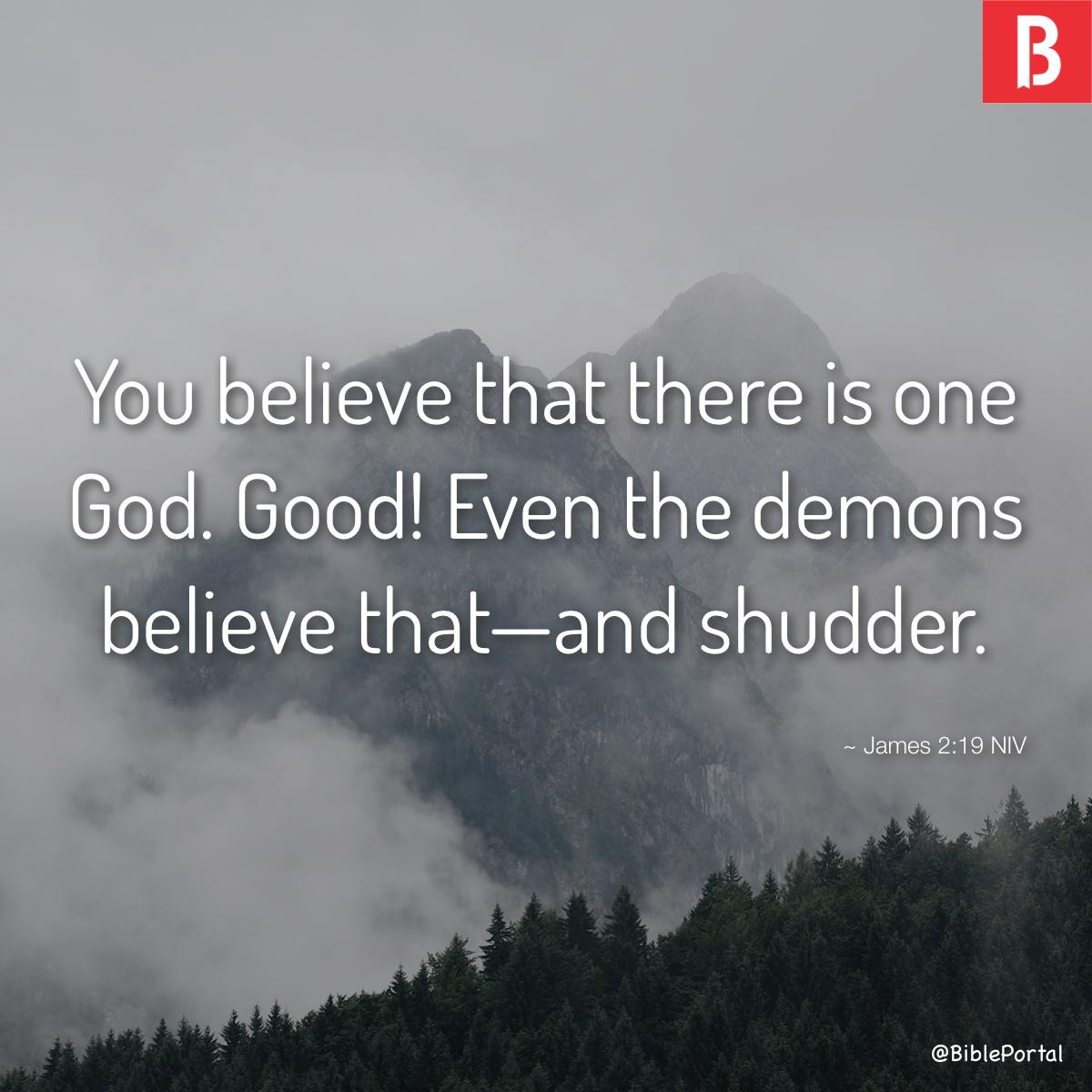
The notion of demons has captivated human imagination for centuries, weaving a complex tapestry of myth and theology. In the Bible, demons are often depicted as malevolent spirits, antagonistic to humanity and opposed to divine purpose. This imperceptible realm operates in a backdrop of moral conflict, steering individuals toward transgression and despair. Notably, this spiritual battleground offers both an explanation for human suffering and a source of profound fascination for those seeking understanding in a chaotic world.
From the outset, it is essential to recognize the biblical depiction of demons within the context of theological anthropology. Created beings, demons are often considered to have once been angels who fell from grace, thus engaging in a relentless rebellion against the Almighty. This ideology suggests a dualistic universe where good and evil are intertwined, imbuing even the mundane occurrences of life with a supernatural significance. Passages such as Isaiah 14:12-15 and Ezekiel 28:12-17 hint at the tragic fall of these once-glorious beings, hinting at the complexities of free will and the consequences of defiance.
Demons manifest in various forms throughout scripture, often embodying metaphorical representations of inner turmoil and external malevolence. Mark 5 recounts the harrowing tale of the Gerasene demoniac, a man tormented by an unclean spirit, exhibiting behaviors that starkly contrast with societal norms. This passage illustrates a poignant reality: demons can symbolize the tumultuous inner struggles faced by humanity, showcasing the fragility of the human psyche in the face of spiritual warfare. The demon-possessed man, shackled and isolated, serves as an archetype for modern individuals grappling with their own demons—be they addiction, despair, or moral failure.
Moreover, the New Testament introduces a plethora of encounters between Jesus and demonic entities, underscoring the notion that these malevolent forces are not mere allegorical constructs, but rather real adversaries. In Matthew 12:22-29, Jesus performs an exorcism, illuminating the stark battle between heavenly authority and malevolent opposition. His rebuke of the demons underscores the belief in Christ’s sovereignty and power, establishing him as the ultimate healer and liberator. This narrative not only serves to affirm faith but also reflects the innate human desire for redemption and restoration amid turmoil.
In addition to facing demonic oppression, individuals are warned against the allure of demonic influence. The concept of temptation is frequently intertwined with the activities of demons, often depicted as the puppeteers exploiting human weaknesses. James 4:7 states, “Submit yourselves therefore to God. Resist the devil, and he will flee from you.” This succinct admonishment encapsulates the scriptural approach to confronting demonic forces: a vigilant life rooted in faith acts as a robust defense against insidious enticements. The equation is clear: overwhelmed by temptations, the faithful are urged to seek divine strength to withstand the onslaught.
Delving deeper into the theological implications, it becomes evident that the fascination with demons mirrors an existential inquiry into the nature of evil. The presence of demons within biblical texts raises profound questions: Why does evil exist? What are the ramifications of free will? These thematic inquiries resonate through the ages, challenging believers and skeptics alike. The phenomenon of demonic influence reflects the darker aspects of the human condition, where choices lead to profound suffering, both personally and collectively.
A particularly haunting facet of demonology in the Bible is its correlation with the judgment of God. The interplay between divine judgment and demonic activity reveals a stark dichotomy—both serve as reminders of accountability in the face of moral choices. Revelation 20:10 speaks of the ultimate fate of the devil and his cohorts, demonstrating that although they currently roam the earth seeking to sow discord (1 Peter 5:8), their eventual defeat has already been secured by divine decree. This assurance provides a hope-laden perspective for believers, who navigate a landscape rife with spiritual conflict.
The fascination with demons can also be traced back to their representation in culture and art. Historically, the image of demons has been adapted and adopted in various forms, from literature to cinema, each interpretation revealing humanity’s perennial struggle with good and evil. These portrayals often oscillate between the grotesquely terrifying and the romantically misunderstood, which only amplifies their intrigue. Such representations serve not only to entertain but also to provoke thoughtfulness about morality, spirituality, and the depths of human depravity.
Ultimately, the biblical narrative surrounding demons invites introspection and self-reflection. It challenges the faithful and inquiring individuals to confront inherent fears and to seek understanding amidst uncertainty. As the struggle between light and dark continues to unfold, the lessons gleaned from scripture encourage believers to engage with their spirituality authentically, while seeking liberation from their personal demons. In recognizing this duality, individuals may embark on a profound journey toward spiritual restoration, ultimately leading to vindication within the divine paradigm.
In conclusion, what the Bible says about demons transcends mere expository accounts of malevolent spirits. It opens a dialogue about the nature of evil, the complexities of human struggle, and the ceaseless quest for redemption. The interplay of fear and fascination surrounding demons ultimately reflects larger existential themes and beckons humanity to confront their own shadows in a quest for truth and enlightenment.

