

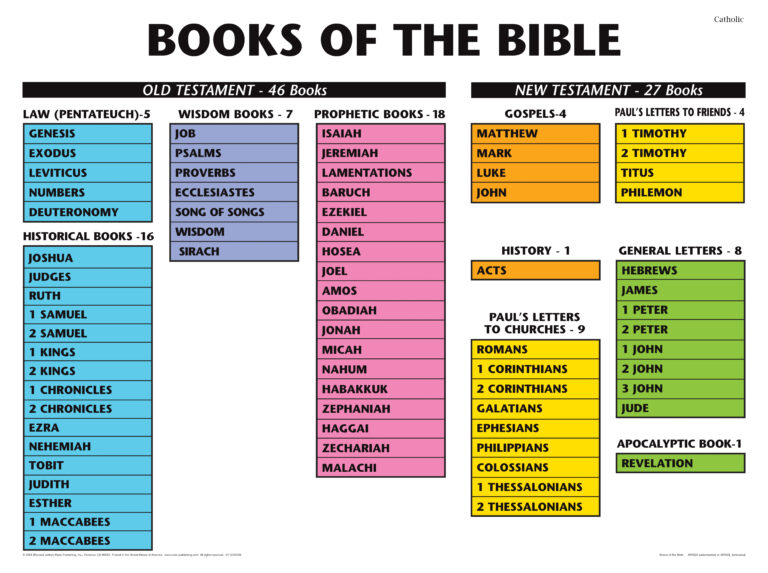
When examining the landscape of biblical scripture, a profound curiosity often arises regarding the variances in religious texts across different denominations. The Catholic Bible, distinct from its Protestant counterpart, encompasses an array of additional books, inviting both intrigue and contemplation. These additional writings, often referred to as the Deuterocanonical books, not only enrich the theological tapestry of Catholicism but also provide a deeper understanding of the historical and cultural milieu of the time. This article seeks to elucidate these additional texts and reflect on their significance.
To embark on this exploration, it is critical to first delineate what constitutes the Deuterocanonical books. The term “Deuterocanonical” is derived from the Greek phrase meaning “second canon.” This designation stems from their acceptance in the Septuagint, the ancient Greek translation of the Hebrew Scriptures, which was widely utilized in the early Christian community. These texts were eventually excluded from the Protestant Reformation’s canon, leading to the current bifurcation in scriptural interpretation.
The Deuterocanonical books comprise seven notable writings that grace the Catholic Bible: Tobit, Judith, Wisdom, Sirach, Baruch, and the First and Second Books of Maccabees. Each text possesses a unique narrative and thematic richness, serving distinct purposes within the broader context of faith and instruction.
Tobit, for instance, introduces readers to a captivating tale of piety, divine providence, and familial love. The protagonist, Tobit, grapples with blindness and adversity while remaining steadfast in his faith. His quest to find a mate for his son, Tobias, interweaves themes of exile and the intermediacy of angels, creating an allegorical journey of moral rectitude. This narrative is not merely an account of personal tribulation but serves as an ethical framework, urging believers to navigate their own lives with integrity and faithfulness.
Similarly, the Book of Judith presents a compelling portrayal of courage and divine intervention. Judith, a widow, becomes an unexpected heroine, delivering her people from the clutches of an oppressive enemy through cunning and valor. Her story radiates a sense of empowerment, highlighting the capacity for individual agency in the face of daunting odds. This narrative resonates deeply within a faith community, suggesting that individuals can effect change irrespective of their circumstances.
The Wisdom literature further expands the intellectual horizons of faith through its philosophical inquiries. Wisdom, often personified, reflects on the nature of existence, moral discernment, and the pursuit of truth. The Book of Wisdom articulates a discourse on the relationship between humanity and the divine, inviting readers to ponder the profound questions of life. This contemplation not only reinforces one’s faith but also encourages a deeper examination of ethical living in a complex world.
Sirach, also known as Ecclesiasticus, complements the Wisdom tradition by offering practical advice on how to lead a virtuous life. This compilation of proverbs and maxims addresses various aspects of daily living, ranging from familial relations to social justice. Its inclusivity of everyday wisdom underscores the importance of integrating faith into the mundane, thus fostering a holistic spiritual life.
Baruch, traditionally attributed to the scribe of the prophet Jeremiah, provides a poignant reflection on exile and repentance. In times of national desolation, Baruch’s message implores the Jewish people to remain steadfast in faith and to seek reconciliation with God. This text serves as a powerful reminder of the enduring relationship between humanity and the divine, offering hope in times of despair.
Completing the Deuterocanonical corpus are the First and Second Books of Maccabees. These historical accounts chronicle the struggles of the Jewish people during the Maccabean Revolt, an uprising against Hellenistic oppression. These texts recount not just military encounters but also the ideological battles fought to preserve a unique cultural and religious identity. They serve as a testament to resilience and faith, illuminating the significance of heritage and belief in navigating tumultuous waters.
The inclusion of these books in the Catholic tradition fosters not merely a historical interest but also invites believers to engage with the complexities of their faith. The narratives encapsulated within these Deuterocanonical writings challenge readers to reflect on their own values, convictions, and commitments. As such, they act as conduits for deeper theological inquiry, fostering a sense of belonging and connection to both sacred history and community.
Furthermore, the presence of these additional texts compels a re-examination of widely held beliefs regarding scriptural authority. In a world rife with division and conflict over interpretations of sacred writings, the acknowledgment of differing canons invites dialogue and understanding. Each tradition bears its own historical and cultural weight, illuminating the diverse pathways through which humanity seeks the divine.
Ultimately, the additional books in the Catholic Bible represent more than mere literary artifacts; they are a reflection of the communal faith journey. They provide a vehicle for believers to traverse the complexities of life while anchoring themselves in their spiritual heritage. For those willing to delve deeper, the Deuterocanonical books offer a panorama of wisdom, courage, and hope, reshaping not only one’s understanding of scripture but also one’s perspective on faith and existence itself.

