

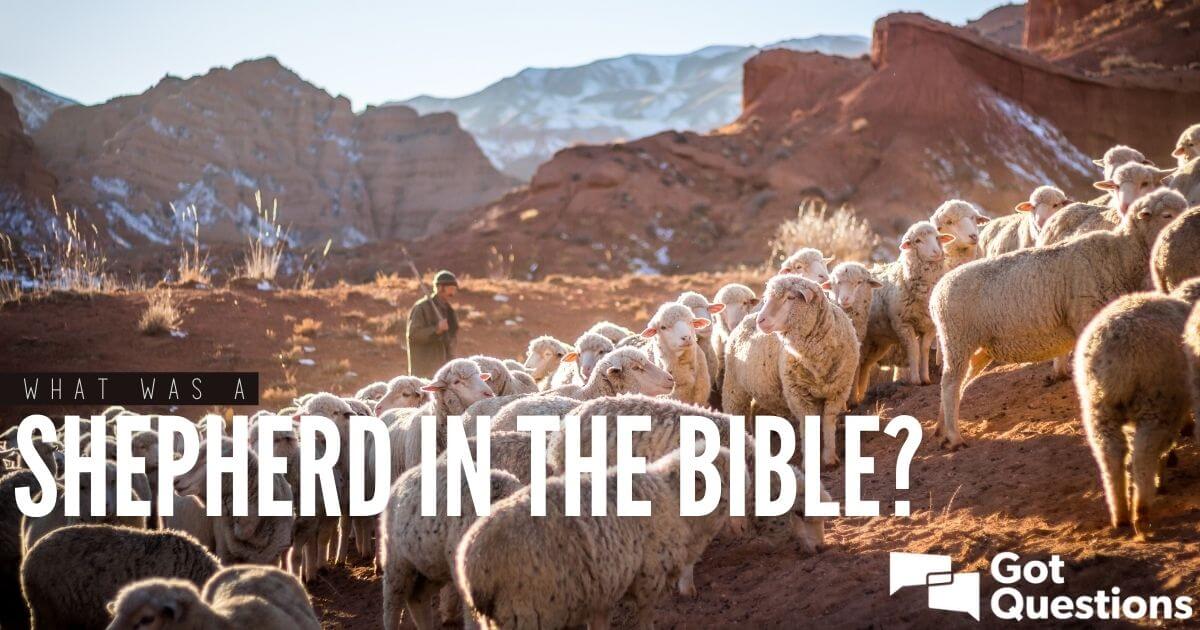
In the annals of biblical history, the imagery of the shepherd stands as a profound symbol, intricately woven into the very fabric of scriptural narratives. The multifaceted role of a shepherd traverses both the literal and allegorical, providing a rich tapestry of meaning and insight for believers and scholars alike. This exploration unravels the complexities surrounding the role of shepherds within the biblical context, their spiritual significance, and the various dimensions they embody.
At its core, the shepherd is a caretaker, dedicated to the well-being of his flock. The pastoral vocation, although humble, carries immense responsibility. In ancient Israel, shepherds were not merely hired hands; they were often familial figures, intimately acquainted with each member of the flock. This proximity underscores a theme of personal connection—a vital aspect that permeates through numerous biblical texts.
But what exactly did a shepherd do? The duties of a shepherd were manifold. He would lead his sheep to nourishing pastures, ensuring that they were not only fed but also safe from predators. The shepherd’s staff, a key implement of his trade, served to guide, direct, and protect his sheep, reinforcing the concept of leadership intertwined with care. Through an understanding of these duties, one begins to discern how the role transcends its pastoral roots, evolving into a metaphor for spiritual guidance.
The Book of Psalms encapsulates this transition, most notably in Psalm 23, where God is depicted as the ultimate shepherd: “The Lord is my shepherd; I shall not want.” This phrase evokes a profound sense of dependence and trust. The imagery here is tantalizing; it suggests not only the provision of physical needs but also a deeper spiritual sustenance. Reflecting on this, one can ponder: What does it mean for divinity to assume the mantle of a shepherd? This question beckons a shift in perspective—a recalibration of how one perceives leadership, care, and responsibility.
Moreover, the New Testament amplifies the metaphor with the arrival of Jesus Christ, frequently referred to as the “Good Shepherd.” In John 10:11, Jesus proclaims, “I am the good shepherd. The good shepherd lays down his life for the sheep.” Herein lies a remarkable juxtaposition: the act of sacrifice is intertwined with the duty of care. Through this lens, the shepherd is not merely a protector but also a figure willing to endure great trials for the sake of his flock. This profound selflessness challenges societal notions of leadership that often emphasize power and authority.
As one navigates through the scriptures, instances of shepherding appear beyond mere pastoral care. Consider the figure of Moses. Before he emerged as the leader of the Israelites, he served as a shepherd in the desert, tending to his father-in-law’s flocks. This period of his life was not a mere prelude; it was a transformative stage that would shape his capacity for empathy, patience, and resilience. Such narratives invite a curiosity to explore how the trials of shepherding can prepare individuals for greater responsibilities and challenges ahead.
The pastoral tradition within the biblical narrative also resonates with themes of redemption and restoration. In the prophetic literature, such as the writings of Ezekiel, God speaks against the shepherds of Israel who neglect their duties. “Woe to the shepherds of Israel who only take care of themselves!” (Ezekiel 34:2). This indictment serves as a stark reminder of the moral obligations inherent to the role of a leader. The divine expectation is clear: true shepherds are those who actively seek out the lost, bind up the broken, and lead with integrity and compassion.
This moral compass extends to contemporary applications of the shepherd motif. In a world that often feels fragmented and hostile, the call to be a shepherd—whether in familial responsibilities, community leadership, or even within the environmental sphere—invites both accountability and privilege. Encouragingly, this concept impels individuals to embrace their roles as stewards of not only people but also of the earth. Can we not envision ourselves as shepherds, guiding our communities toward sustainability and stewardship?
Reflecting on the role of shepherds can also evoke a deep, introspective inquiry about the nature of one’s own spiritual journey. How does one relate to the divine shepherd? What does it mean to follow, to be led, and at times, to stray? The biblical shepherd is not infallible; in fact, the narratives often illustrate a complex interplay of faith, doubt, and redemption. Each of these elements enriches our understanding of the human condition and our relationship with the divine.
Ultimately, the exploration of what it means to be a shepherd in the Bible is an invitation to examine the profound connections between care, leadership, and spirituality. It encourages a reframing of perspectives—to view not only oneself as a follower but also as a potential shepherd for others. Whether it is through nurturing relationships, advocating for the environment, or leading communities toward greater ideals, the essence of shepherding transcends the pages of scripture and remains a timeless call to action.
In sum, this intricate tapestry of roles, responsibilities, and spiritual significance associated with shepherds invites us to reflect deeply. Embracing these ideations can lead to a richer, more compassionate existence, one where we, too, cultivate a world that resonates with care, diligence, and love—a world worthy of being shepherded.

