

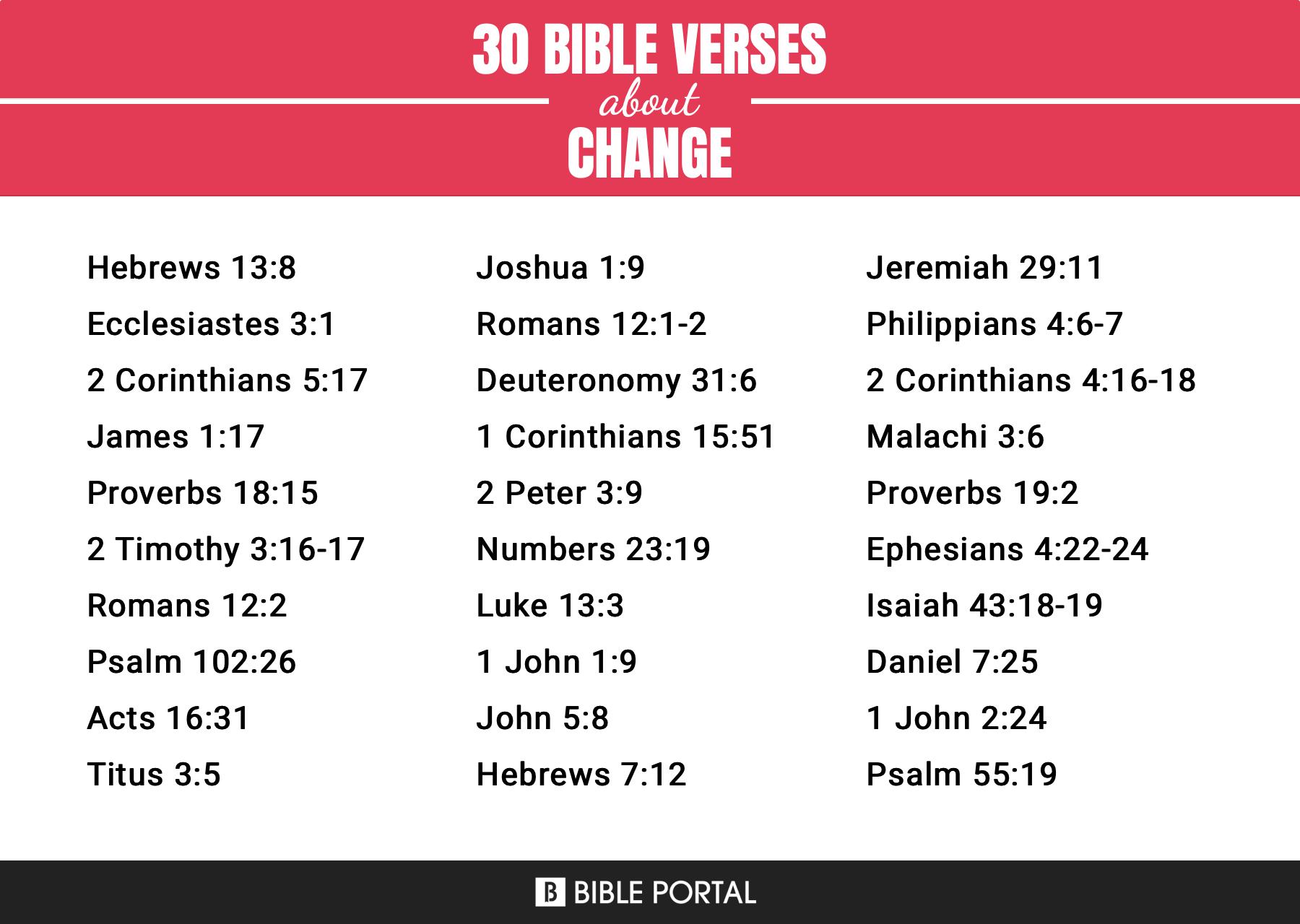
Change is a perennial theme in human existence, intricately woven into the fabric of our lives. Within the sacred pages of the Bible, change is not merely acknowledged; it is celebrated as a divine orchestration guiding humanity through the vicissitudes of life. From the Old Testament’s vivid narratives to the New Testament’s transformative teachings of Christ, the scriptures offer profound insights on the manifold dimensions of change. This exploration delves deeply into biblical perspectives on change, revealing its spiritual significance and practical implications.
The Old Testament frequently characterizes change as an omnipresent force, where the very essence of existence is anchored upon the dichotomy of permanence and impermanence. Creation itself, as recounted in Genesis, serves as the quintessential testament to change. “In the beginning, God created the heavens and the earth.” This proclamation not only underscores the inception of the universe but also heralds the continual transformation that defines it. The rhythm of seasons, the cycles of life and death, and the shift from chaos to order are quintessential experiences that the ancients embraced, reminding contemporary readers that change is intrinsic to the divine order.
As we navigate through the Old Testament, the journeys of prominent figures such as Abraham and Moses further elucidate this theme. Abraham’s call to leave his homeland is emblematic of existential metamorphosis; it portrays a profound evolution rooted in faith. His willingness to embrace the unknown epitomizes the courage required to undergo significant life transitions. This narrative invites readers to ponder their own journeys, to confront the uncertainties that accompany transformative decisions, and to recognize that faith and change often walk hand in hand.
Moses’ trajectory is equally illustrative. Raised as an Egyptian prince yet destined to liberate the Israelites, his life encapsulates the tension between comfort and authenticity. His encounter with the burning bush signifies a pivotal moment, a radical transformation catalyzed by divine intervention. The ensuing exodus is not merely a physical journey; it symbolizes the liberation from spiritual bondage—a profound metamorphosis that beckons believers to examine their own forms of captivity. In this context, change emerges as a pathway to freedom, challenging individuals to relinquish the shackles of complacency.
Transitioning to the New Testament, the teachings of Jesus Christ provide a paradigm shift in understanding change. His ministry epitomizes transformation, as he preached about the Kingdom of God—a realm where the marginalized find hope, and the lost are restored. Jesus’ radical inclusivity challenges the status quo and compels followers to reconsider their perceptions of societal norms. For instance, when Jesus encounters Mary Magdalene, he disrupts the narrative of shame, advocating for redemption and rebirth. This counter-narrative embodies the profound potency of change, illustrating that personal transformation often results from divine grace.
The parables narrated by Jesus serve as allegorical vessels transporting profound truths regarding change. The Parable of the Prodigal Son is a masterclass in the complexities of transformation. Here, the wayward son’s return signifies more than mere repentance; it is an illustration of the unconditional love of a father, embodying the transformative power of forgiveness. This narrative invites readers to reflect on their own experiences of estrangement and reconciliation, encouraging a willingness to embrace the transformative processes inherent in relationships.
Moreover, the epistles of Paul offer invaluable insights regarding the internal changes that believers undergo. Central to his writings is the notion of being “transformed by the renewing of your mind.” Such admonitions articulate a clear call to personal change, urging readers toward enlightenment and spiritual rejuvenation. This internal metamorphosis fosters a deeper relationship with God, evoking a profound sense of purpose and direction in the tumultuous journey of life.
At its core, the Bible elucidates that change is not merely an occurrence but rather a conduit for growth. The trials and tribulations faced by biblical characters serve as allegorical landscapes upon which the transformative journey unfolds. Each trial, whether it is Job’s suffering or the early Church’s persecution, serves not only as a narrative of hardship but as a testament to resilience and faith. These stories elucidate that change, while often invoking discomfort, is essential for spiritual maturation and personal evolution.
In a contemporary context, the biblical discourse on change resonates powerfully amid our current societal upheavals. As we grapple with environmental crises, social injustice, and personal loss, the biblical narratives provide solace and guidance. They remind us that change can be met with hope and unwavering faith. The cyclical nature of life, mirrored in biblical scriptures, urges humanity to adapt and innovate in the face of adversity.
Ultimately, the Bible posits that change is a divine instrument, shaping character and cultivating resilience. The interplay between faith and transformation illuminates the path of life, encouraging individuals to embrace change not as a source of trepidation but as an opportunity for growth. In this evolving tapestry of existence, each thread—woven with the wisdom of the Scriptures—invites us to reflect, adapt, and thrive.
As readers and seekers of truth, let us remain open to the transformative power of change, recognizing that, through faith, we may navigate the unknown with courage and resilience. The biblical narrative invites us to dwell not in the fear of change but in the promise of renewal, echoing the timeless truth that through change, we are continually being reformed into the likeness of the Creator.

