

Throughout history, butterflies have captivated our hearts and minds, symbolizing transformation, beauty, and the ephemeral nature of life. In the context of the Bible, these delicate creatures evoke profound spiritual reflections, prompting us to consider deeper meanings behind their existence. Through examining biblical themes, passages, and cultural symbolism, we can gain a richer understanding of what butterflies represent in the scriptures.
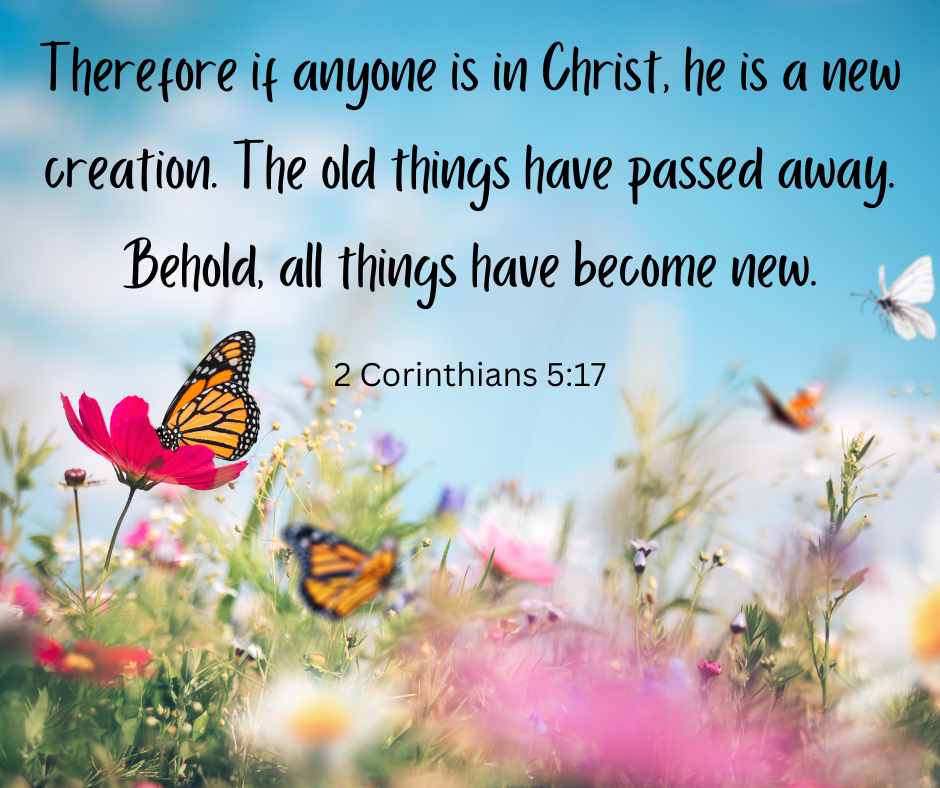
The butterfly stages—egg, larva (caterpillar), pupa (chrysalis), and adult—encapsulate the concept of metamorphosis. This natural phenomenon is beautifully paralleled in the spiritual journey of transformation described in the Bible. A compelling biblical reference reflecting this metamorphosis can be found in 2 Corinthians 5:17, where it states, “Therefore, if anyone is in Christ, he is a new creation; the old has passed away; behold, the new has come.” Just as a caterpillar undergoes a remarkable transformation, shedding its old self to emerge as a butterfly, so too does a believer experience renewal and rebirth through faith. This narrative of dying to oneself to be born again strikes a chord with the act of baptism, where individuals are submerged in water only to emerge renewed and invigorated in spirit.
The overarching theme of resurrection is intrinsically tied to the butterfly’s journey. In Christianity, the resurrection of Jesus symbolizes victory over death and the promise of eternal life. The butterfly, often viewed as a living emblem of this cycle, serves as a poignant reminder that death is not the conclusion but rather a transition to something beautiful and eternal. The chrysalis, often hidden and seemingly lifeless, serves as a metaphor for the transformative power of faith. This period of hidden growth reminds us that life’s most significant changes can occur in the unseen depths, shaping us for a future that we cannot yet comprehend.
Butterflies also embody purity and renewal, which are echoed in various biblical texts. In the Gospel of Matthew, Jesus speaks of the divine simplicity of faith when He tells us to “consider the lilies of the field” (Matthew 6:28). This call to acknowledge the beauty in creation invites reflection on the butterfly’s grace and elegance. Their vibrant colors can be interpreted as visual manifestations of the joy and splendor found in a life lived in harmony with God’s will. Such depictions provide an invitation to cultivate a spirit of purity akin to that of the butterfly, encouraging believers to embrace a life characterized by virtue and moral integrity.
The exquisite nature of butterflies also invites one to reach higher—both spiritually and in terms of personal aspirations. The act of flying, soaring through the air, can serve as an allegory for the human spirit’s yearning to rise above earthly struggles and pursue a life aligned with divine purpose. As referenced in Psalm 40:31, we are reminded that “those who hope in the Lord will renew their strength; they will soar on wings like eagles.” Thus, the flight of a butterfly can symbolize not just the hope of ascending above challenges, but also the empowering and liberating nature of faith that enables individuals to transcend their limitations.
Furthermore, the seasonal shifts that butterflies undergo reflect the cyclical nature of life and its inherent changes. From the dormant winter to the flourishing spring, the lifecycle of a butterfly can be likened to the biblical concept of seasons of life—periods of growth, change, suffering, and renewal. Ecclesiastes 3 reminds us that “to everything, there is a season and a time for every purpose under heaven.” This poignant message encourages individuals to embrace life’s transformations with grace and resilience, knowing that every phase serves a divine purpose, similar to the metamorphosis of the butterfly.
From a communal perspective, butterflies symbolize the importance of relationships and interconnectedness among all of God’s creations. Much like the role of pollinators in ecosystems, humans too are called to be conduits of love and support within their communities. The gentle beauty of a butterfly alighting upon a flower naturally evokes thoughts of nurturing and thriving relationships, echoing the biblical exhortation to love one another, as expressed in John 13:34: “A new command I give you: Love one another.” This command calls for a collaborative spirit that transcends individualistic pursuits, reminding us of our obligation to uplift and inspire one another, much like the butterflies that contribute to the richness of our natural tapestry.
Lastly, butterflies are often utilized as emblems of hope and inspiration. In times of despair, their delicate yet persistent nature serves as a reminder that beauty can arise from turmoil. The story of the butterfly is an illustration of triumph over adversity—the humble caterpillar transforms into a magnificent creature, transcending the struggles of its previous existence. In applying this to biblical interpretation, one can find solace in the understanding that, despite life’s tribulations, renewed hope is always on the horizon, mirroring the resurrection promises of scripture.
In conclusion, the symbol of the butterfly spans far beyond its physical beauty. Through biblical narratives, this exquisite creature embodies themes of transformation, purity, resurrection, and the spirit of community. It challenges believers to reconsider their own journeys of metamorphosis and encourages the embrace of life’s cyclical nature. As we observe the flight of a butterfly, may we be inspired to reflect upon our spiritual paths, nourished by the profound meaning that lies within the delicate wings of this remarkable insect.

