

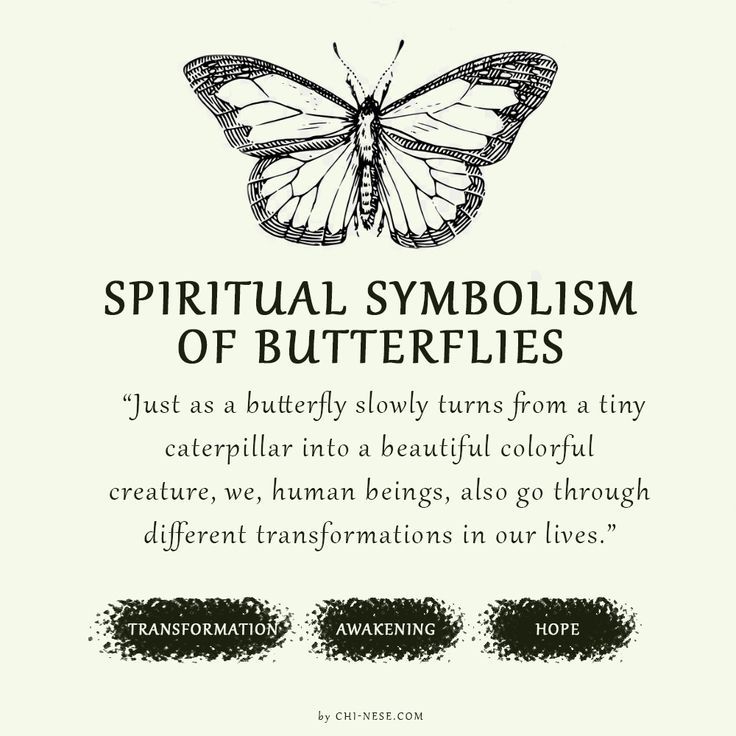
The butterfly, a creature often regarded for its delicate beauty, evokes a wealth of interpretations across various cultures and spiritual contexts. Within the pages of the Bible, the butterfly’s symbolism is particularly poignant, embodying transformations and the divine nature of existence. Although the butterfly is not explicitly mentioned in biblical texts, the metaphorical significance it bears invites a deeper exploration into its implications of rebirth, resurrection, and the ephemeral nature of life.
Central to the butterfly’s symbolism is the notion of transformation. Much like the biblical themes of renewal and change, the life cycle of a butterfly—beginning as a caterpillar, transitioning into a chrysalis, and ultimately emerging as a resplendent winged creature—mirrors human spiritual evolution. This cycle resonates with the teachings of Christ about entering into a new life through faith and repentance. Just as the caterpillar must undergo a seemingly agonizing process to metamorphose into a butterfly, individuals are often called to embrace change, relinquishing the past to embrace a more exalted state of being.
Throughout the Bible, the concept of rebirth is vividly articulated. In 2 Corinthians 5:17, it states, “Therefore, if anyone is in Christ, he is a new creation; the old has passed away, behold, the new has come.” Here, the transformation likened to the emergence of the butterfly serves as a powerful allegory for the Christian journey. This rebirth is not merely a physical transition but a transcendental shift that shapes the inner self, akin to the way a butterfly showcases its splendid wings after a period of dormancy. This duality of existence—the caterpillar and the butterfly—serves as a reminder of the potential buried within us, waiting for the right conditions to unfurl.
Furthermore, the ephemeral presence of the butterfly underscores the Bible’s teachings on the transitory nature of life. In the book of James, it is declared, “For what is your life? It is even a vapor that appears for a little time and then vanishes away” (James 4:14). This brevity mirrors the butterfly’s fleeting existence. With wings that flutter like whispers, the butterfly embodies the ephemeral beauty of life—a call to cherish our moments and live with purpose. This delicate creature, though seemingly fragile, serves as a potent reminder that life’s value lies not in its duration but in its depth of experience.
The butterfly also resonates with the theme of hope, akin to the promises laid out in scripture. In Isaiah 40:31, those who hope in the Lord are promised renewed strength and shall rise up with wings like eagles. This metaphor of soaring encapsulates the essence of the butterfly’s flight. As believers navigate life’s hardships, like the caterpillar entombed within its chrysalis, there exists an assurance of eventual ascension. The metamorphosis into a butterfly elucidates the notion that trials often precede triumphs, echoing the Christian belief in resurrection—a rebirth not only into a new life but also a renewed relationship with God.
Moreover, the vibrancy of a butterfly’s wings serves to illustrate the beauty of diversity within creation. Each butterfly flaunts unique patterns and colors, symbolizing the richness of individuality gifted by the Creator. In Romans 12:4-6, Paul writes about the various gifts within the body of Christ, emphasizing that each member plays an integral part in the grand tapestry of divine design. Just as no two butterflies are identical, each person contributes uniquely to the majestic design of life. The butterfly thus becomes a symbol of recognizing and appreciating the diverse manifestations of God’s grace in the world.
As we consider the spiritual implications associated with butterflies, it’s imperative to embrace their symbolic richness as not merely ornamental but deeply imbued with meaning. In moments of despair, a butterfly’s appearance can serve as a profound reminder of hope and transformation. Their presence urges individuals to look beyond the surface of life’s trials and to focus on the promise of renewal that lies ahead.
To interpret butterflies in a biblical context is to seek deeper truths about existence, resilience, and beauty. Just as the butterfly rises from the remnants of its past, individuals too can transcend hardships, welcoming new beginnings. This imagery invites contemplation on life, urging us to embrace change, to acknowledge the impermanence of our days, and to find solace in the hope offered through faith. Ultimately, the butterfly is not merely a creature of the air but a metaphysical embodiment of divine promises—of life, of resurrection, and of the intricate beauty found in transformation. It whispers to our souls about the journey we must undertake and the glorious flights we are destined to embrace.

