

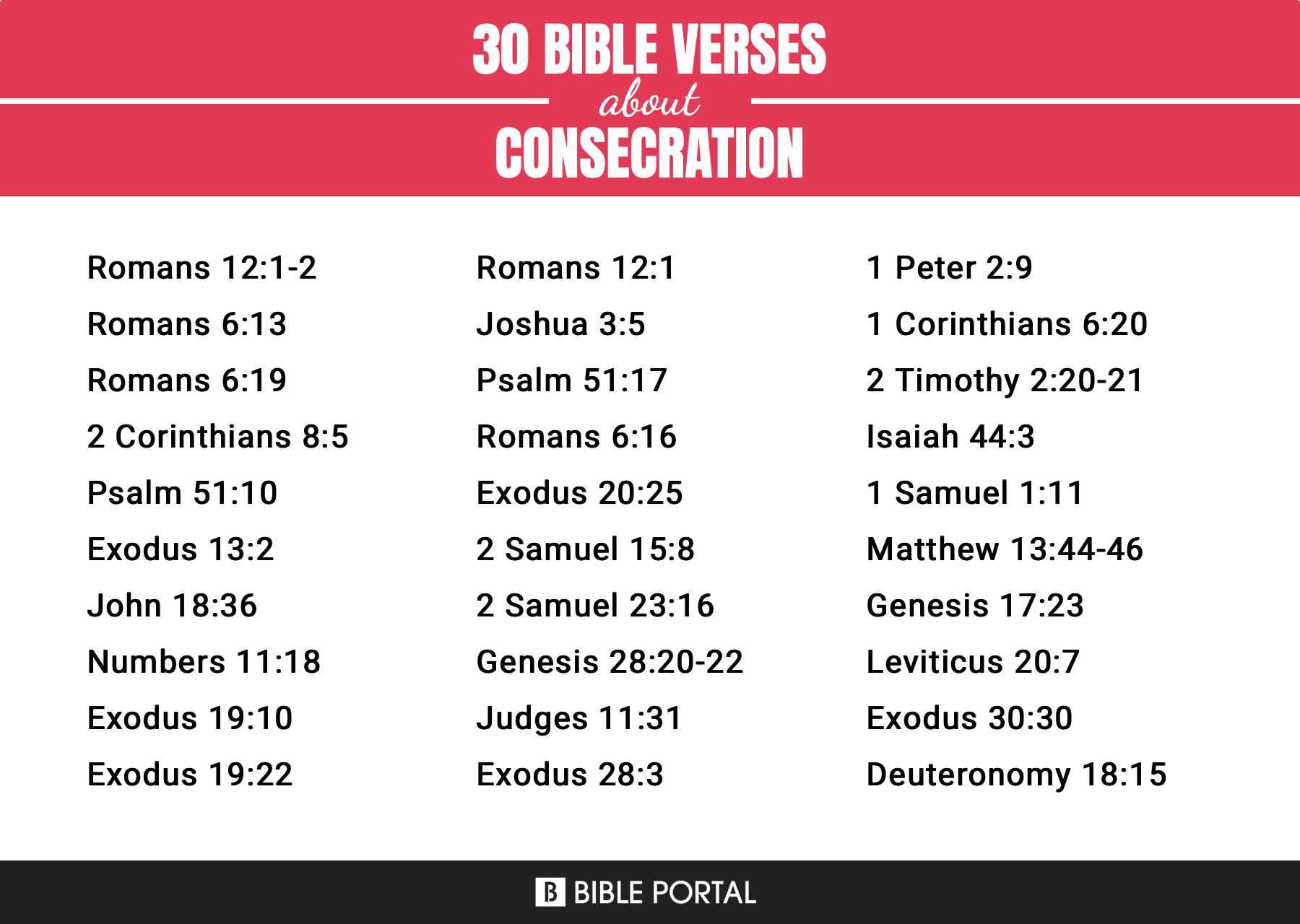
Consecration, a term imbued with spiritual significance, denotes the act of declaring something sacred, elevating it for divine purposes. Within the pages of the Bible, consecration embodies a multifaceted theme that permeates various narratives, rituals, and doctrines. This exploration will unveil the biblical essence of consecration, illuminating its different forms and manifestations throughout scripture.
The Old Testament presents a foundational understanding of consecration, particularly within the Levitical laws. The term itself is derived from the Hebrew root “קדש” (qādash), meaning to be set apart. This notion is vividly illustrated in the consecration of the priests. In Exodus 28, God institutes the role of Aaron and his sons as priests, requiring meticulous rituals to dedicate them to the sacred service. The purification with water, the donning of holy garments, and the anointing with oil epitomize the profound transformation from the mundane to the sacred, underscoring God’s desire for a people set apart for Himself.
Moreover, the concept of consecration extends beyond individual persons to encompass objects and places. The tabernacle, a portable sanctuary for the Israelites, is described in Exodus 40 as being consecrated through meticulous procedures. The anointing of the tent and its furnishings with holy oil signifies that they are to be distinguished from ordinary use, solely designated for worship and communion with God. Through these acts, the physical elements of worship are imbued with divine authority, facilitating a space where humans encounter the Holy.
In addition to physical consecration, the New Testament expands this theme to encapsulate a spiritual dimension. Unlike the Old Covenant’s ritualistic inadequacies, Jesus Christ emerges as the ultimate consecration. His sacrificial death and resurrection provide believers a fresh approach to holiness, one not bound by the law but liberated by grace. In Romans 12:1, the Apostle Paul implores Christians to present their bodies as “living sacrifices, holy and pleasing to God.” This exhortation invites believers to embody the very essence of consecration, emphasizing that true holiness manifests through the integration of faith into daily life.
The sanctification process, a key aspect of consecration in the Christian journey, is highlighted in various epistles. Through the Holy Spirit, believers are empowered to transform their lives, aligning their actions and choices with God’s will. Sanctification, therefore, can be seen as the ongoing journey of being set apart; it is not merely a one-time event but rather an evolving relationship with the Divine. This relationship is marked by repentance, discipline, and the pursuit of righteousness.
Furthermore, communities can experience collective consecration. The assembly of believers, known as the Church, is called to reflect the holiness of God. In 1 Peter 2:9, Christians are referred to as a “royal priesthood, a holy nation.” This communal aspect emphasizes that consecration is not an isolated phenomenon but a collective identity among those who are redeemed. Together, they are commissioned to proclaim the excellencies of Him who called them out of darkness into His marvelous light.
In conclusion, the biblical concept of consecration traverses the landscape of the sacred and mundane, revealing layers of meaning that resonate through both Old and New Testaments. From the anointing of priests and sacred objects to the ultimate consecration in Christ, and the communal identity of the Church, the theme invites an introspection into the nature of holiness. Consecration calls individuals and communities to a life set apart, one that reflects the character of a holy God, urging them toward a deeper relationship with the Creator.

