

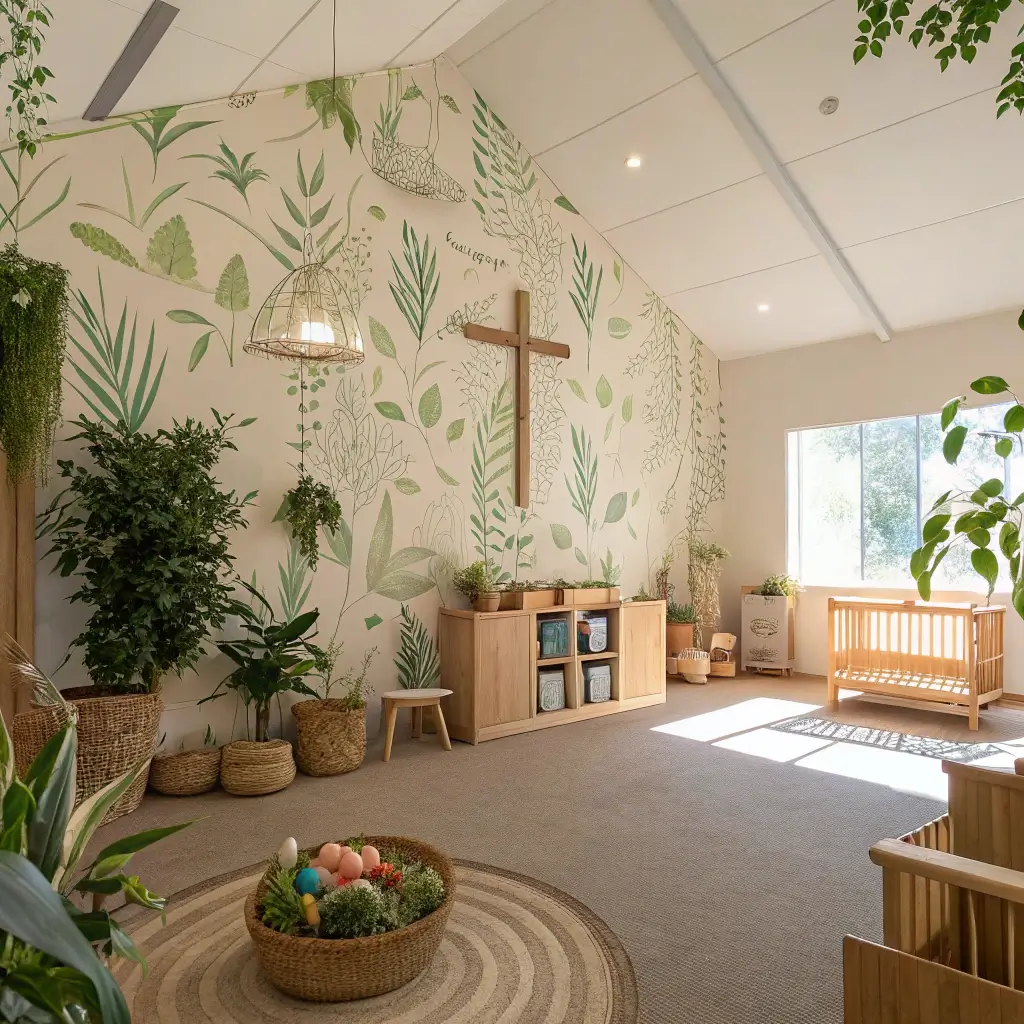
What if the church nursery could become a sanctuary where tiny hearts feel as safe as a cloud, yet as vibrant as a sunrise? That question often surfaces during planning meetings, unveiling a paradox: how do we craft a space that is both soothing and secure, inviting yet guarded? The challenge lies in harmonizing aesthetic warmth with rigorous safety standards, all while ensuring that every giggle, coo, and sigh is met with an attentive embrace. Below, the essential pillars of a robust nursery design are explored, offering a detailed roadmap for congregations eager to nurture the youngest members of their flock.
The Sanctum of Safety: Foundational Imperatives
Before any paintbrush strokes the wall, the architecture must prioritize structural integrity. Child‑proofing begins with tamper‑proof electrical outlets, padded corners on low‑lying furniture, and slip‑resistant flooring that cushions inevitable tumbles. A secure entry system—perhaps a keypad or a monitored check‑in—acts as a sentinel, guaranteeing that only authorized caregivers can fetch a child. Additionally, emergency exits should remain unobstructed, marked with glow‑in‑the‑dark signage that beckons swift evacuation. By embedding these protective layers from the outset, the nursery transforms into a fortified enclave, allowing guardians to focus on spiritual nourishment rather than safety anxieties.
Architectural Ergonomics: Layout and Furniture Selection
The spatial configuration determines flow, rhythm, and the ability to supervise. Open floor plans enable line‑of‑sight observation from a central command post, while modular partitions create distinct zones for feeding, sleeping, and playing without erecting visual barriers. Furniture should be low‑profile, rounded, and crafted from non‑toxic, hypoallergenic materials; bean‑bag ottomans, soft‑cushioned benches, and low shelving units encourage independence while reducing injury risk. A subtle gradient of floor textures—rubber mats over carpet—guides tiny feet, providing tactile feedback that helps prevent slips. By marrying ergonomics with intentional design, the nursery becomes an organic labyrinth where every corner is purposeful.
Chromatic Tranquility: Color, Light, and Sensory Palette
Color wields a profound influence on emotional regulation. Soft pastels—seafoam green, lavender mist, buttery cream—evoke calm, whereas overly saturated hues may agitate. Incorporating natural light through frosted windows or light tubes infuses the space with a circadian rhythm that supports healthy sleep cycles. When artificial illumination is required, tunable LED panels that shift from warm amber to cool daylight can mimic the day’s progression, aiding in nap transitions. Acoustic panels adorned with subtle fabric patterns absorb excess noise, creating a cocoon of quietude. The resultant sensory tapestry ensures that each child’s nervous system receives gentle, coherent signals, fostering equilibrium.
Interactive Enclaves: Materials, Activities, and Age‑Appropriate Engagement
Curated play zones should mirror developmental stages. For infants, a plush mat featuring textured surfaces and rattles invites tactile exploration; for toddlers, a miniature manipulative station with chunky puzzles and water‑resistant building blocks encourages fine motor coordination. Rotation of materials—introducing a new tactile board monthly—prevents sensory fatigue and sustains curiosity. Incorporate soft‑touch wall murals that depict biblical scenes in a simplified, friendly style, allowing storytelling to blossom without overwhelming visual clutter. By balancing structured activities with open‑ended play, the nursery becomes a microcosm of learning and wonder, subtly weaving spiritual narratives into everyday interactions.
Human Sentinels: Staff Training, Compassion, and Background Vigilance
Even the most immaculate environment falters without competent, compassionate caretakers. Comprehensive onboarding should include pediatric first‑aid certification, child‑behavior de‑escalation techniques, and a clear code of conduct emphasizing confidentiality and respect. Regular in‑service workshops on trauma‑informed care equip volunteers to recognize signs of distress, ensuring timely intervention. Background checks must be exhaustive, covering national criminal databases, sex offender

